
AI Artist & Tech Enthusiast
Wildlife Style Transfer: Complete Guide with AI Quality R...

Choosing the right art style for wildlife style transfer determines whether your animal photograph becomes a majestic painted portrait or a muddled canvas where fur, feathers, and natural backgrounds dissolve into visual chaos. We tested 116 art styles on wildlife photography using ArtFID — the gold standard benchmark for neural style transfer quality — and the winner is Romanticism with an ArtFID score of 166.26. The Romantic tradition's deep reverence for the natural world and its atmospheric sensitivity make it the ideal artistic lens for wildlife subjects. Upload your wildlife photos to ArtRobot and see the results yourself.
Why Art Style Choice Matters for Wildlife Photography
Wildlife photography presents one of the most complex challenges in style transfer. Animal subjects combine multiple demanding visual elements simultaneously: fur and feather textures that create dense mid-to-high frequency patterns; natural backgrounds that range from sharp grass blades to soft bokeh; and the dynamic quality of movement — a running cheetah, a soaring eagle, a leaping salmon — that introduces motion blur and compositional tension. An art style must handle all of these elements coherently, preserving the animal's recognizable form while transforming the photograph into something that feels painted rather than processed.
The mid-high frequency visual profile of wildlife photography means that surface textures — the striped pattern of a tiger, the iridescent sheen of a peacock's tail, the rough bark-like skin of an elephant — dominate the image at every scale. Art styles that respect these textural rhythms while adding their own artistic vocabulary produce the best results. Styles that impose a fundamentally different frequency — the flat geometry of Suprematism, the smooth gradients of Color Field — override the animal's natural texture and produce results that look like colored silhouettes rather than living creatures.
The tradition of animal painting in art history is ancient and rich. From the cave paintings of Lascaux to George Stubbs' anatomically precise horses to Franz Marc's blue-tinged deer, artists have developed visual languages for capturing the essential quality of animal life. Neural style transfer draws on this accumulated tradition, and our ArtFID rankings reveal which approaches produce the most compelling results when applied to modern wildlife photography.
"The painting of these images may have been part of the psychic preparation of the hunters before they sallied forth from the caves with their crude weapons, just as the images may have been supposed to exert magical compulsion on the animals represented. Whatever the purpose, the artist displayed his keen hunter's knowledge and the sureness of his hand, of his own artistic instinct." -- Art Through the Ages, p. 71
Top 10 Art Styles for Wildlife Photos
We tested 116 art styles on wildlife photography using ArtFID — lower scores mean better results. Here are the top 10:
| Rank | Style | ArtFID | Stars | LPIPS | FID |
|---|---|---|---|---|---|
| 1 | Romanticism | 166.26 | 5 | 0.3997 | 117.78 |
| 2 | Abstract Art | 172.02 | 5 | 0.3374 | 127.62 |
| 3 | Color Field | 172.81 | 5 | 0.4697 | 116.58 |
| 4 | Rothko | 172.81 | 5 | 0.4697 | 116.58 |
| 5 | Toulouse-Lautrec | 180.06 | 5 | 0.3269 | 134.70 |
| 6 | Baroque | 186.12 | 5 | 0.3600 | 135.85 |
| 7 | Surrealism | 188.37 | 5 | 0.3552 | 138.00 |
| 8 | Post-Impressionism | 192.00 | 5 | 0.3424 | 142.03 |
| 9 | Expressionism | 193.18 | 5 | 0.3480 | 142.31 |
| 10 | El Greco | 195.32 | 5 | 0.3939 | 139.13 |
#1: Romanticism (ArtFID 166.26)
Romanticism dominates wildlife style transfer because the movement was, at its core, obsessed with the power and beauty of the natural world. From Delacroix's charging horses to Friedrich's solitary animals in vast landscapes, Romantic painters developed visual techniques specifically designed to capture the sublime quality of nature — dramatic atmospheric effects, emotional color palettes, and a sensitivity to the wild energy of living creatures. When neural networks trained on Romantic painting encounter wildlife photography, they already possess a sophisticated visual vocabulary for rendering animals in natural settings. The LPIPS of 0.3997 preserves the animal's structural form, while the atmospheric transformation adds the dramatic grandeur that makes wildlife photography feel like fine art.
#2: Abstract Art (ArtFID 172.02)
Abstract Art produces surprisingly effective wildlife transformations because its variable, pure-form approach responds to the organic shapes and natural patterns of animal subjects. Rather than imposing rigid geometric structure, Abstract Art amplifies the inherent abstraction already present in wildlife — the fractal patterns of feathers, the flowing curves of a swimming dolphin, the graphic impact of a zebra's stripes. The low LPIPS of 0.3374 indicates excellent structural preservation, meaning the animal remains clearly recognizable even as surfaces transform into abstract painterly expression.
#3: Color Field (ArtFID 172.81)
Color Field painting — exemplified by Rothko — brings a meditative, atmospheric quality to wildlife photography that elevates animal subjects into something almost spiritual. The luminous color zones characteristic of Color Field painting transform natural backgrounds into ethereal washes of hue while the animal's form becomes a solid presence within an ocean of color. This creates results that feel contemplative and majestic — more wildlife-art-print than nature-documentary-still. The FID of 116.58 is notably low, indicating strong stylistic authenticity.
Before & After: Top Styles on Wildlife
See the transformations for yourself. Each row shows the original photograph, the style reference painting, and the AI result:
Romanticism — 5 Stars (ArtFID 166.26)
| Original Photo | Style Reference | AI Result |
|---|---|---|
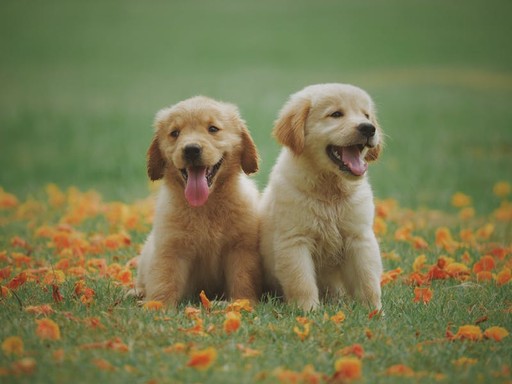 |
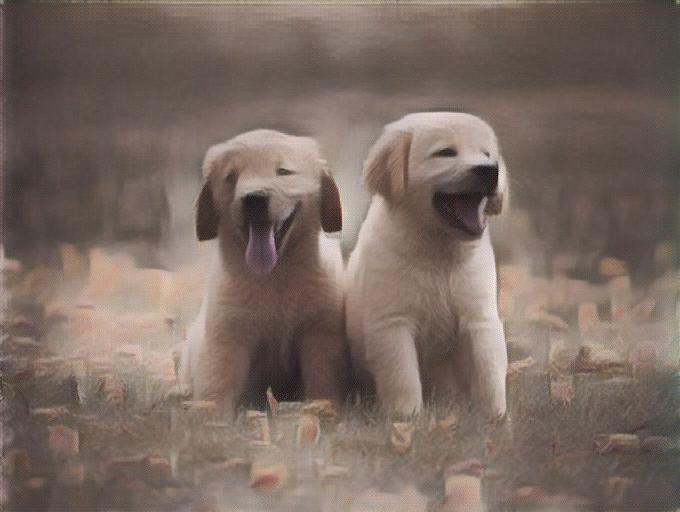 |
|
| Source photo | Romantic painting tradition | ArtFID: 166.26 |
The Romanticism transformation elevates wildlife photography into dramatic fine art. The animal retains its structural form and textural detail — fur, feathers, musculature all remain legible — while the entire composition gains the atmospheric grandeur of a Romantic painting. Backgrounds transform into dramatic skies and atmospheric landscapes, light becomes more emotionally charged, and the animal subject acquires the heroic, sublime quality that Romantic painters sought in their depictions of the natural world.
Abstract Art — 5 Stars (ArtFID 172.02)
| Original Photo | Style Reference | AI Result |
|---|---|---|
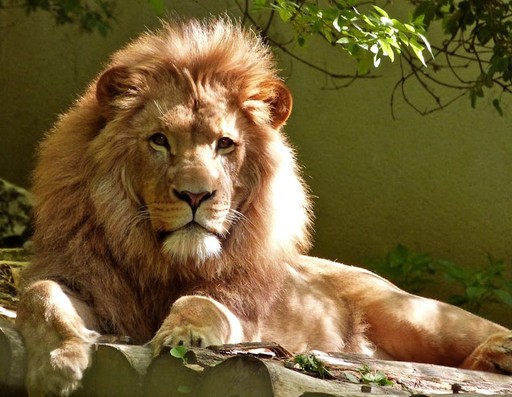 |
 |
|
| Source photo | Abstract Art tradition | ArtFID: 172.02 |
Abstract Art transforms wildlife into something between nature and pure visual experience. The animal's form anchors the composition — its shape, posture, and proportions survive clearly — while surfaces explode into gestural brushwork and dynamic color. The natural background dissolves into abstract fields of color and texture. The result is wildlife photography reimagined as contemporary art, perfect for prints, social media, and creative projects that demand visual impact.
Color Field — 5 Stars (ArtFID 172.81)
| Original Photo | Style Reference | AI Result |
|---|---|---|
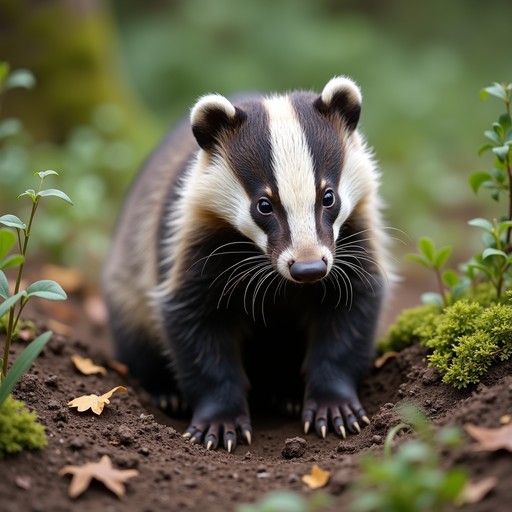 |
 |
|
| Source photo | Color Field painting tradition | ArtFID: 172.81 |
Color Field painting transforms wildlife photography into meditative art. The animal becomes a solid, sculptural presence within luminous fields of saturated color — backgrounds dissolve into Rothko-esque zones of hue that frame the subject with an almost spiritual intensity. This style is particularly effective for wildlife subjects photographed against simple backgrounds (sky, water, snow) where the transition from photographic to painterly feels seamless and natural.
"Painting was used to decorate not only clothing but also tipis, shield covers, and buffalo skins, commemorating some fight or hunt by pictorial representations of warlike acts and running horses." -- Art Through the Ages, p. 657
Styles to Avoid for Wildlife
Not every art style works well with wildlife photography. Based on ArtFID testing, these styles struggle with animal subjects:
-
Veronese — ArtFID 427.01 (2 Stars): Paolo Veronese's grand Venetian compositions were designed for palatial narrative scenes with crowds of human figures. The style's emphasis on architectural grandeur and complex multi-figure compositions causes the neural network to treat wildlife subjects as minor decorative elements rather than central subjects.
-
Art Nouveau — ArtFID 398.40 (3 Stars): Art Nouveau's sinuous, decorative line-work imposes its own organic rhythm that conflicts with the natural organic forms of animals. Fur becomes decorative pattern, feathers become stylized scrollwork, and the animal's authentic biological form is replaced by an ornamental approximation.
-
Rembrandt — ArtFID 395.28 (3 Stars): Despite Rembrandt's legendary skill with light and shadow, the extreme chiaroscuro of his later work overwhelms animal subjects. Wildlife photography depends on surface detail — texture, color, pattern — and Rembrandt's deep shadows swallow these details, leaving animals as dark silhouettes with isolated highlights.
-
Michelangelo — ArtFID 389.09 (3 Stars): Michelangelo's sculptural approach to painting, with its emphasis on human musculature and monumental form, translates poorly to animal anatomy. The neural network attempts to impose human-body proportions and muscle definition onto animal subjects, producing uncanny results.
-
Escher — ArtFID 366.82 (3 Stars): Escher's precise geometric patterns and impossible perspectives create visually confusing results with organic animal subjects. The mathematical regularity of Escher's work fights the natural irregularity of fur, feather, and biological form.
Wildlife Photography Tips for Style Transfer
Based on our ArtFID testing and the frequency profiles of the top-performing styles, here are practical recommendations for maximizing your wildlife style transfer results:
-
Isolate the animal against a simple background for maximum impact. The top-performing styles — Romanticism, Abstract Art, Color Field — all produce their best results when the animal subject is clearly separated from its environment. A bird against sky, a mammal against snow, or a subject photographed with shallow depth of field (blurred background) all provide clean starting material that the algorithm can transform coherently.
-
Capture the animal in a characteristic pose or action. Style transfer amplifies the dynamic quality of animal movement. A running wolf, a pouncing cat, or a soaring raptor provides the algorithm with strong compositional energy that Expressionism and Post-Impressionism transform into powerful artistic statements. Static, flat poses produce static, flat results.
-
Shoot in golden hour light for Romantic and Post-Impressionist styles. The warm, directional light of early morning or late afternoon creates the atmospheric quality that Romanticism (ArtFID 166.26) transforms into painterly drama. Harsh midday sun flattens tonal range and produces less nuanced transformations.
-
Include the animal's full body when possible. Wildlife style transfer works best when the neural network can read the complete anatomical structure — head-to-tail proportions, leg positioning, the overall silhouette. Extreme close-ups of faces can work well (see our portraits guide for face-specific techniques), but full-body wildlife shots consistently produce the most striking transformations.
-
Embrace natural textures — they are your best asset. The mid-high frequency detail of fur, feathers, and scales is what gives wildlife style transfer its distinctive richness. Smooth-skinned subjects (fish, frogs) produce less interesting results than textured subjects (owls, bears, big cats) because there is more visual material for the algorithm to transform into artistic brushwork.
How to Apply Art Styles to Wildlife Photos
Step 1: Choose Your Photo
Upload your wildlife photograph to ArtRobot. Based on our ArtFID testing, Romanticism, Abstract Art, and Color Field produce the best results for animal subjects.
Step 2: Select an Art Style
Browse the art style library and pick your preferred style. Check our Art Styles catalog for inspiration or use the comparison table above to choose based on quality scores.
Step 3: Download Your Art
Generate your styled image in seconds and download in multiple resolutions — from social media to print-ready 4K.
Try Wildlife Style Transfer Free on ArtRobot ->
FAQ
What is the best art style for wildlife photography?
Based on our ArtFID testing of 116 styles, Romanticism is the best art style for wildlife photography with an ArtFID score of 166.26. The Romantic movement's deep reverence for the natural world gives neural networks trained on Romantic painting a sophisticated visual vocabulary for rendering animals in natural settings. Abstract Art (172.02) and Color Field (172.81) are close alternatives that offer different aesthetic approaches.
Why do some art styles work better for wildlife photos?
Wildlife photography has a mid-high frequency visual profile — fur textures, feather patterns, and natural backgrounds all generate dense visual detail. Art styles that respect these natural textures while adding painterly atmosphere perform best. Styles that impose rigid geometric structure (Escher) or extreme chiaroscuro (Rembrandt) override the animal's natural visual richness and produce poor results.
How do I choose the right style for my wildlife photo?
Consider the mood you want to create. For dramatic, nature-documentary grandeur, choose Romanticism (ArtFID 166.26). For contemporary art impact, try Abstract Art (ArtFID 172.02). For meditative, spiritual quality, Color Field (ArtFID 172.81) creates luminous results. For emotional intensity, Expressionism (ArtFID 193.18) amplifies the wild energy of animal subjects.
What wildlife photos produce the best style transfer results?
Photos with clearly isolated animal subjects against simple backgrounds produce the best results. Animals with rich surface textures (fur, feathers) provide more visual material for the algorithm to work with. Golden hour lighting creates atmospheric depth that Romantic and Post-Impressionist styles transform beautifully. Full-body shots showing the animal's complete form produce more striking results than tight crops.
Can I apply multiple art styles to the same wildlife photo?
Absolutely. Many wildlife photographers use ArtRobot to create series showing the same animal in different artistic styles — a wolf rendered in Romanticism, Expressionism, and Baroque, for example. These series are popular as print collections, gallery exhibitions, and social media content that showcases the artistic range possible from a single wildlife photograph.
Related Guides
- Best Art Styles for Wildlife Photos
- Gothic Art Style Transfer
- Early Renaissance Style Transfer
- High Renaissance Style Transfer
- Northern Renaissance Style Transfer
- Mannerism Style Transfer
- Wildlife Gothic Art Photo Effect
- Wildlife Early Renaissance Photo Effect
- Wildlife High Renaissance Photo Effect
Try It Yourself
Romanticism's ArtFID of 166.26 on wildlife reflects a deep art-historical connection between the movement and the natural world. From cave paintings to contemporary art, humans have always been compelled to transform animals into art — and now you can do it with a single photograph.
Try It Yourself
Transform your own photos into stunning paintings with 80+ artist styles. Free to start.