
AI Artist & Tech Enthusiast
5 Best Art Styles for Animals Photos (ArtFID Tested)
Choosing the right art style for animal photography is not a matter of taste alone -- it is measurable. We ran 116 art styles through ArtFID quality scoring on animal subjects, and the results reveal a clear hierarchy. The gap between the best and worst styles is enormous: Romanticism scores 166.26, while Gustave Dore scores 544.19 -- a 3.3x difference in quality. Picking the wrong style does not just produce a different look; it produces a worse one.
This guide ranks the top 10 art styles for animal photography by ArtFID score, explains why they work, shows real before-and-after examples, and flags the styles you should avoid. Whether you are transforming a pet portrait, wildlife shot, or zoo photograph, this data will help you get the best possible result.
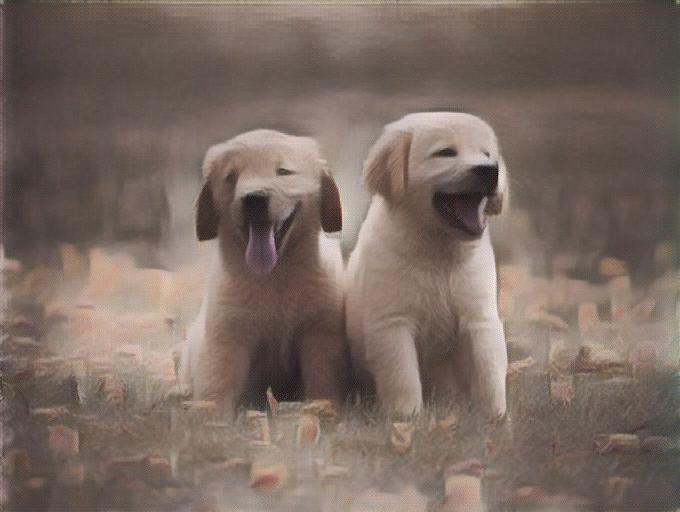 An animal photograph transformed using Romanticism -- the highest-ranked art style for animal subjects (ArtFID 166.26)
Why Style Choice Matters for Animal Photography
Not all art styles treat animal subjects equally. The visual properties that make an art style successful on landscapes or portraits can fail completely on animals -- and vice versa. Here is what separates the winners from the losers:
- Fur and feather texture -- Styles with soft, blended brushwork (Romanticism, Symbolism) translate fur texture into gentle tonal gradients. Styles with heavy line work or geometric abstraction (Gustave Dore, Veronese) obliterate fur detail entirely.
- Eye preservation -- An animal's eyes are the emotional anchor of any portrait. The best styles preserve eye clarity and expression while softening the surrounding fur. The worst styles distort or obscure facial features.
- Color harmony with natural tones -- Animals come in earth tones, warm browns, golden yellows, cool grays, and deep blacks. Styles whose palettes complement these natural colors produce harmonious results. Styles that impose alien color schemes create jarring artifacts.
- Form integrity -- The viewer needs to recognize the animal. Styles that preserve overall body shape and proportions while transforming texture score well. Styles that fragment or heavily distort form score poorly.
The ArtFID metric captures all of these factors in a single number. Lower is better -- it measures how successfully the style transfer preserves the subject while achieving genuine artistic transformation.
Top 10 Art Styles for Animals -- Full Ranking
| Rank | Art Style | ArtFID Score | Rating | Best For |
|---|---|---|---|---|
| 1 | Romanticism | 166.26 | 5 stars | Warm, atmospheric portraits with luminous light |
| 2 | Symbolism | 168.69 | 5 stars | Dreamlike, ethereal animal art with soft focus |
| 3 | Abstract Art | 172.02 | 5 stars | Bold, modern interpretations with strong color |
| 4 | Mark Rothko | 172.81 | 5 stars | Color-field backgrounds with preserved animal form |
| 5 | Color Field | 172.81 | 5 stars | Luminous, saturated color with minimal distortion |
| 6 | Toulouse-Lautrec | 180.06 | 4 stars | Sketch-like energy with warm, poster-art tones |
| 7 | Baroque | 186.12 | 4 stars | Dramatic chiaroscuro, rich darks, warm highlights |
| 8 | Surrealism | 188.37 | 4 stars | Creative, unexpected transformations with dreamlike quality |
| 9 | Post-Impressionism | 192.00 | 4 stars | Vivid color with expressive, visible brushwork |
| 10 | Expressionism | 193.18 | 4 stars | Emotional intensity, bold color, energetic strokes |
The top 5 all score within a tight 6.5-point range (166.26-172.81), meaning any of them will produce excellent results on animal subjects. The real drop-off begins below the top 10, and the truly poor styles score 3-4x higher.
Detailed Analysis: Top 3 Styles
1. Romanticism -- ArtFID 166.26
Romanticism dominates animal photography for the same reason it dominated 19th-century animal painting: the style was built around atmospheric luminosity, warm tonal palettes, and emotional expression -- exactly the qualities that make animal art compelling.
Romantic painters like George Stubbs (horses), Edwin Landseer (dogs), and Rosa Bonheur (livestock) established the visual language we still associate with "good animal art." Their emphasis on warm golden light, soft fur texture, and expressive eyes translates directly through neural style transfer.
Best for: Dogs, cats, horses, and any animal with warm-toned fur. Particularly strong on portrait-style close-ups where the eyes are the focal point.
Why it wins: Romanticism's ArtFID of 166.26 reflects its ability to transform the photograph while preserving the emotional connection between viewer and animal. The fur softens into luminous washes, the eyes remain sharp and expressive, and the background dissolves into atmospheric warmth.
2. Symbolism -- ArtFID 168.69
Symbolism scores just 2.4 points behind Romanticism, but the visual result is noticeably different. Where Romanticism feels warm and grounded, Symbolism feels dreamlike and ethereal -- the animal appears to emerge from a soft mist of color.
Symbolist painters like Odilon Redon and Gustave Moreau used muted palettes, soft focus, and atmospheric blending to create images that felt more like visions than observations. Applied to animal photography, this produces a delicate, almost mystical quality.
Best for: Dark-furred animals (black cats, dark horses), exotic or wild animals where a sense of mystery is appropriate, and nursery or children's room decor where softness is desirable.
Why it works: Symbolism reveals subtle color variations within dark areas -- turning flat black fur into rich, layered tones of deep blue, violet, and warm brown. It also excels at preserving the overall animal form while softening every detail into a dreamlike haze.
3. Abstract Art -- ArtFID 172.02
Abstract Art at 172.02 might seem surprising in the top 3 -- abstraction typically means distortion. But the neural network's interpretation of Abstract Art on animal subjects is more nuanced than full abstraction. It preserves the animal's recognizable form while transforming the color and texture into bold, modern compositions.
Best for: Contemporary wall art, bold statement pieces, and animals with strong silhouettes (elephants, horses in profile, birds in flight). Also excellent for creating unique pet portraits that feel more "art" than "photograph."
Why it works: Abstract Art simplifies complex fur patterns into clean color blocks and bold shapes while maintaining enough detail to identify the animal. The result is sophisticated, gallery-ready wall art that bridges photography and fine art.
Before & After: Animal Art Style Comparisons
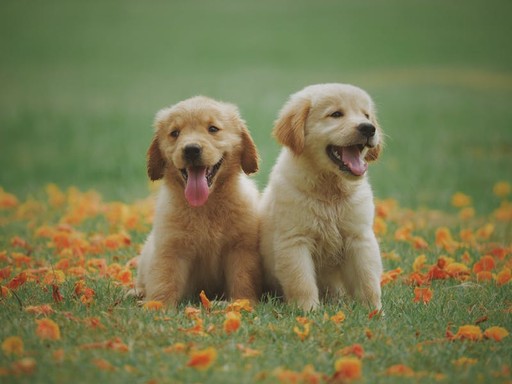
Romanticism -- The Gold Standard
| Original Animal Photo | Romanticism Style Transfer |
|---|---|
 |
|
| Original photograph | Romanticism -- ArtFID 166.26 |
The transformation preserves the animal's expression and fur texture while adding warm, luminous atmosphere. The background dissolves into soft golden washes, drawing the eye to the subject. This is the most reliably excellent result for any animal photograph.
Symbolism -- Dreamlike Quality
| Original Animal Photo | Symbolism Style Transfer |
|---|---|
|
 |
| Original photograph | Symbolism -- ArtFID 168.69 |
Symbolism wraps the animal in a soft, ethereal atmosphere. Colors shift toward muted blues, violets, and greens. The subject remains clearly recognizable but feels like it has been painted from memory rather than life -- intimate and contemplative.
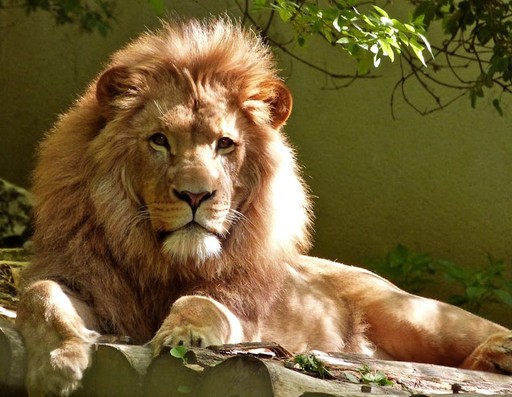
Baroque -- Dramatic Chiaroscuro
| Original Animal Photo | Baroque Style Transfer |
|---|---|
 |
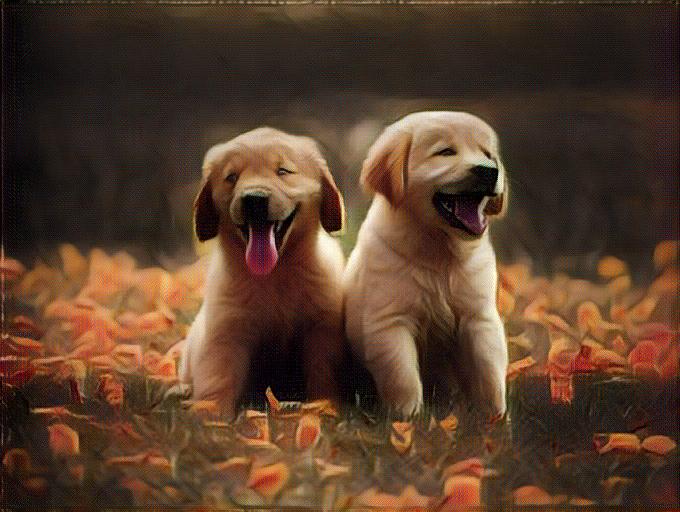 |
| Original photograph | Baroque -- ArtFID 186.12 |
Baroque introduces dramatic lighting contrast -- deep, rich shadows and warm, glowing highlights. The effect recalls the animal portraits of the Dutch Golden Age, where dogs and horses were painted with the same reverence as human nobility. Best for animals with strong facial features and varied coloring.
Post-Impressionism -- Expressive Color
| Original Animal Photo | Post-Impressionism Style Transfer |
|---|---|
|
 |
| Original photograph | Post-Impressionism -- ArtFID 192.00 |
Post-Impressionism adds bolder color and visible brushwork. Fur becomes a tapestry of expressive strokes, each carrying its own hue. The result is energetic and vivid -- ideal for playful, active animals or when you want art that pops off the wall.
Styles to Avoid for Animal Photography
Not every art style translates well to animal subjects. The following styles consistently score poorly on ArtFID for animals, meaning they distort, fragment, or misrepresent the subject:
| Art Style | ArtFID Score | Why It Fails |
|---|---|---|
| Gustave Dore | 544.19 | Heavy engraving-style linework obliterates fur texture and creates dark, muddy results |
| Veronese | 537.89 | Ornate compositional complexity fragments the animal form beyond recognition |
| Hard-edge geometric styles | 400+ | Geometric abstraction conflicts fundamentally with organic animal forms |
The pattern is clear: styles built around heavy linework, geometric precision, or extreme compositional complexity fail on animal subjects because animals are fundamentally organic -- soft curves, varied textures, and subtle tonal gradients. Styles that fight against these qualities produce poor results regardless of their artistic merit in other contexts.
A good rule of thumb: if the original art style was rarely used to paint animals, it will likely score poorly on animal photography through style transfer.
How to Create Animal Art with ArtRobot (3 Steps)
Step 1: Upload Your Animal Photo
Go to ArtRobot and upload your photograph. For the best results: - Focus on the face -- portrait-style crops centered on the animal's face and eyes produce the most striking results across all top-ranked styles - Use soft, natural lighting -- window light, shade, or overcast conditions create the tonal subtlety that style transfer amplifies - Avoid busy backgrounds -- a clean background lets the style transform the animal rather than competing elements
Step 2: Choose Your Art Style
Start with Romanticism (ArtFID 166.26) for the most reliable, highest-quality result. If you want something dreamier, try Symbolism. For bold, modern wall art, try Abstract Art or Color Field. For dramatic Old Master-style portraits, go with Baroque.
Avoid styles scoring above 300 on animals -- the results will disappoint.
Step 3: Download and Print
Generate your result in seconds and download in multiple resolutions: - 1024px (free) -- social media and digital sharing - 2048px HD (premium) -- framed prints up to 8x10" - 4096px 4K (premium) -- gallery-quality large canvas prints
No signup required for your first 3 free transfers.
Create Your Animal Art Free on ArtRobot ->
FAQ
What is the best art style for animal photography?
Romanticism with an ArtFID score of 166.26 is the highest-ranked art style for animal photography. It produces warm, atmospheric results with luminous light, soft fur texture, and preserved eye expression. Symbolism (168.69) and Abstract Art (172.02) are close runners-up.
What is ArtFID and why does it matter?
ArtFID (Artistic Frechet Inception Distance) is a quality metric that measures how successfully a style transfer preserves the subject while achieving genuine artistic transformation. Lower scores mean better results. We tested 116 styles on animal subjects to create these rankings.
Which styles should I avoid for animal photos?
Avoid Gustave Dore (544.19), Veronese (537.89), and any style scoring above 300 on animals. These styles use heavy linework or geometric abstraction that conflicts with the organic forms, soft textures, and subtle tonal gradients of animal subjects.
Does the type of animal matter for style choice?
Somewhat. Romanticism and Symbolism work well across all animals. Warm-toned animals (golden retrievers, tabby cats, bay horses) respond especially well to Romanticism's warm palette. Dark-furred animals benefit from Symbolism's ability to reveal color within shadows. Bold, strong-silhouette animals (elephants, eagles) suit Abstract Art.
Is it free to create animal art online?
Yes. ArtRobot offers 3 free style transfers at 1024px resolution with no account required. Premium plans unlock HD (2048px) and 4K (4096px) for print-quality art.
Related Guides
- Dog Watercolor Art -- Watercolor-specific guide for dog photography
- Cat Cubism Art -- Cubist style exploration for cat subjects
- Pet Portrait Art Styles -- Broader pet portrait style guide
- Impressionism Style Transfer -- Classic painterly brushwork for all subjects
- Romanticism Style Transfer -- Deep dive into the top-ranked animal style
- Art Styles Gallery -- Browse all 116+ styles with quality scores
Try It Yourself
Romanticism, Symbolism, and Abstract Art lead the rankings for animal photography -- but every animal is unique, and the best way to discover your favorite is to experiment. Upload your animal photo and see how the top styles transform it.
Find Your Best Animal Art Style Free on ArtRobot ->
Explore More
Try It Yourself
Transform your own photos into stunning paintings with 80+ artist styles. Free to start.