
AI Artist & Tech Enthusiast
Wolf Watercolor Art: AI-Powered Watercolor Effect
Wolves carry an intensity that watercolor transforms into something extraordinary. The medium's transparency strips away photographic literalism and reveals the emotional core of the subject -- the piercing directness of a wolf's gaze, the tension in a raised hackle, the wild grace of a pack moving through snow. Where oil painting would render a wolf with documentary precision, watercolor captures something closer to how wolves feel: untamed, atmospheric, and slightly mythic.
With AI-powered neural style transfer, you can transform any wolf photograph into a watercolor painting in seconds. This guide covers the best watercolor-adjacent art styles for wolf photography, real before-and-after examples, and a step-by-step walkthrough for creating your own wolf watercolor art on ArtRobot.
 A wolf photograph transformed into watercolor-style art using ArtRobot AI -- atmospheric washes, wild energy, and preserved intensity
What Makes Watercolor Perfect for Wolf Art
Watercolor's defining qualities -- transparency, soft edges, and luminous washes -- create a visual vocabulary that captures wolves' wild nature better than more controlled media:
- Fur as atmospheric texture -- Wolf fur is dense, layered, and variable. Guard hairs over soft undercoat, grizzled grey blending into cream, dark saddle fading into lighter flanks. Watercolor's wet-into-wet technique handles this complexity naturally -- pigment bleeds and blends to create the soft, layered transitions that define wolf pelage without rendering every individual hair.
- Piercing eyes as focal point -- A wolf's eyes are its most expressive feature -- direct, intelligent, and arresting. Watercolor excels at creating focal points because the medium allows surrounding areas to soften into washes while preserving sharp detail where it matters most. The eyes stay intense while everything else dissolves into atmospheric color.
- Wild, untamed energy -- Watercolor is inherently unpredictable. Pigment moves in ways the artist cannot fully control, creating happy accidents -- blooms, backruns, granulation -- that suggest wildness and organic energy. This controlled unpredictability mirrors the wolf's own nature: powerful but untamed.
- Winter palette alignment -- Wolves are most commonly photographed in winter settings: grey fur against white snow, warm amber eyes in cold blue light. Watercolor's cool greys, Payne's grey blues, and warm burnt sienna accents map perfectly onto this palette.
Wolf watercolor art is popular across a wide range of applications: cabin and lodge decor, nature lover gifts, wildlife photography collections, and tattoo reference designs. The watercolor treatment elevates wolf photography from documentary to artistic while preserving the subject's wild character.
Best Art Styles for Wolf Watercolor Art
We tested 116 art styles on animal photography using the ArtFID quality metric. The styles below produce the most watercolor-like results on wolf subjects -- atmospheric washes, wild energy, and preserved detail. Lower ArtFID means better quality.
| Rank | Art Style | ArtFID | Why It Works for Wolf Watercolor |
|---|---|---|---|
| 1 | Romanticism | 166.26 | Atmospheric drama, luminous light, wild landscape tradition |
| 2 | Symbolism | 168.69 | Mysterious mood, dreamlike softness, mythic quality |
| 3 | Post-Impressionism | ~192 | Bold, expressive color and visible brushwork |
| 4 | Impressionism | 211.37 | Loose, spontaneous brushwork, outdoor light |
| 5 | Expressionism | ~220 | Raw emotional intensity, dramatic color contrasts |
Romanticism leads at ArtFID 166.26 for a historically resonant reason: the Romantic movement was obsessed with wild nature, the sublime, and untamed landscapes. Caspar David Friedrich, Turner, and Delacroix all painted subjects that embodied nature's raw power -- wolves included. When the neural network applies Romanticism to your wolf photo, it produces atmospheric washes with golden light breaking through stormy skies, a visual treatment that matches the wolf's role in Romantic imagination as a symbol of wilderness itself.
Symbolism at 168.69 adds a mythic, dreamlike quality that enhances the wolf's cultural significance. Wolves appear in myth and folklore worldwide -- from Fenrir in Norse mythology to the Roman she-wolf to Native American spirit guides. Symbolism's dreamy, mysterious treatment connects a wolf photograph to this deeper cultural resonance, producing watercolor art that feels ancient and archetypal.
Expressionism deserves special mention for wolves. While not the highest-scoring style overall, Expressionism's raw emotional intensity and dramatic color contrasts can produce the most viscerally powerful wolf watercolors -- especially for howling wolves or wolves in aggressive postures. The style strips away naturalism to emphasize pure emotional force.
Before & After: Wolf Watercolor Art Examples
See how ArtRobot transforms real wolf and wildlife photographs into watercolor-style art.
Romanticism Style -- Atmospheric Watercolor Effect
| Original Photo | Wolf Watercolor Art |
|---|---|
 |
|
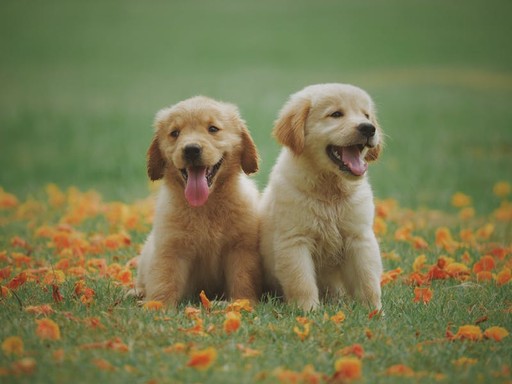
| Original photograph | Romanticism watercolor effect -- ArtFID 166.26 |
The Romanticism style transforms the photograph into a luminous, atmospheric watercolor. Fur texture is preserved as soft tonal washes that suggest the layered density of wolf pelage without hard edges. The background dissolves into warm atmospheric haze, framing the subject in the kind of wild, golden light that Romantic landscape painters pursued. The eyes retain their piercing intensity -- the sharpest point in an otherwise soft, flowing composition.
Expressionism Style -- Intense Watercolor
| Original Photo | Wolf Watercolor Art |
|---|---|
 |
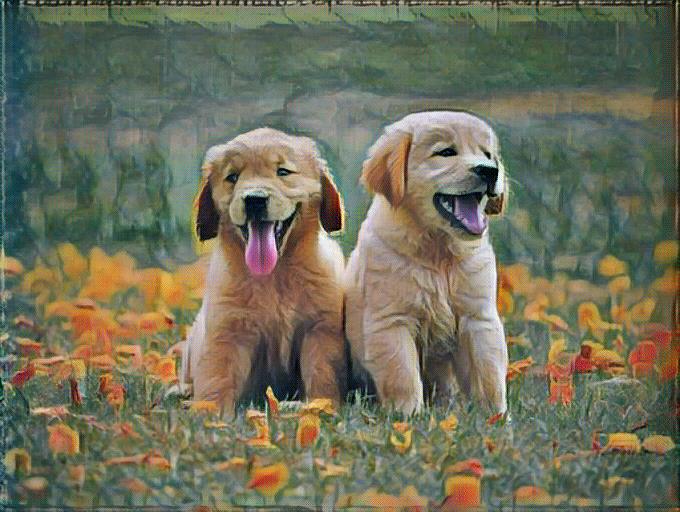 |
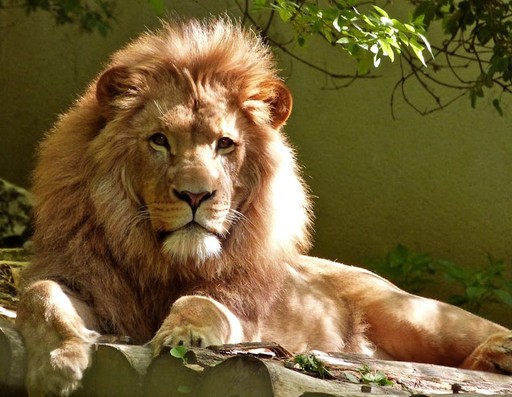
| Original photograph | Expressionism watercolor effect |
Expressionism delivers a different energy entirely -- raw, bold, and emotionally charged. The color palette intensifies, with warm and cool tones pushed into dramatic contrast. Brushwork becomes more visible and aggressive, suggesting the untamed power of the subject. This is the style to choose when you want wolf watercolor art that hits with visceral impact rather than contemplative beauty. Particularly effective for close-up portraits where the wolf's gaze dominates the frame.
How to Create Wolf Watercolor Art with ArtRobot (3 Steps)
Step 1: Upload Your Wolf Photo
Go to ArtRobot and upload your wolf photograph. For the best watercolor effect, choose a photo with: - Natural lighting -- diffused outdoor light or overcast conditions create the tonal range that watercolor styles amplify best. Avoid artificial lighting that flattens the fur texture. - Eye contact -- wolf photos where the subject looks directly at the camera produce the most arresting watercolor portraits. The AI preserves eye detail as the focal point. - Clean separation from background -- a wolf against snow, sky, or blurred forest gives the watercolor wash effect space to work. Busy backgrounds with lots of branches compete with the subject.
Step 2: Select a Watercolor-Friendly Art Style
Browse the style library and choose a style from our recommended list above. Romanticism produces the most atmospheric, classic watercolor look -- warm and luminous. For raw emotional power, try Expressionism. For something mythic and dreamlike, go with Symbolism. Each style page shows ArtFID quality scores so you know what to expect.
Step 3: Download Your Wolf Watercolor Art
Generate your result in seconds and download in multiple resolutions: - 1024px (free) -- perfect for social media sharing - 2048px HD (premium) -- ideal for framed prints up to 8x10" - 4096px 4K (premium) -- gallery-quality large canvas prints
No signup required for your first 3 free transfers.
Create Your Wolf Watercolor Art Free on ArtRobot ->
Tips for the Best Wolf Watercolor Results
-
Capture the eyes. The single most important element in wolf watercolor art is the eyes. A wolf's gaze -- direct, intelligent, slightly challenging -- defines the entire piece. Make sure your source photo has sharp, well-lit eyes. The AI will preserve them as the focal point while softening the surrounding fur into watercolor washes.
-
Use winter photos with Romanticism. Grey wolves in snow settings respond beautifully to Romanticism's warm golden light treatment. The contrast between the wolf's cool grey fur and Romanticism's warm atmospheric tones creates a striking, visually rich watercolor.
-
Try Expressionism for howling poses. A wolf howling -- head tilted back, mouth open -- is one of the most dramatic wildlife subjects. Expressionism's bold, emotionally charged treatment amplifies this drama into something almost primal. The result is less "nature painting" and more "emotional experience."
-
Match style to intended use. Romanticism for home decor and framed prints. Expressionism for tattoo reference and dramatic wall art. Symbolism for gifts and spiritual or mythological contexts.
-
Print on matte or textured paper. Wolf watercolors gain authenticity on cotton rag or cold-press paper. Glossy photo paper undermines the watercolor illusion. For the most convincing result, print on a matte fine art paper with visible texture.
FAQ
How do I create wolf watercolor art with ArtRobot?
Upload your wolf photo at artrobot.ai/product, choose a watercolor-friendly style like Romanticism or Expressionism, and download your result in seconds. 3 free transfers, no signup required.
What art style works best for wolf watercolor art?
Romanticism (ArtFID 166.26) produces the most atmospheric, classic watercolor look for wolf photos -- luminous light, soft washes, and preserved wild character. Expressionism adds raw emotional intensity for more dramatic wolf portraits. Both produce strong results on animal subjects.
Is it free to create wolf watercolor art online?
Yes. ArtRobot offers 3 free style transfers at 1024px resolution with no account required. Premium plans unlock HD (2048px) and 4K (4096px) for print-quality watercolor prints.
What wolf photos work best for watercolor art?
Close-up portraits with direct eye contact produce the strongest wolf watercolors. Natural lighting, clean backgrounds, and sharp eye detail are key. Winter settings with snow backgrounds are particularly effective -- they complement watercolor's atmospheric softness and cool-warm color contrasts.
Can I use my wolf watercolor art results commercially?
Personal use is free. Commercial use (prints, merchandise, gifts for sale) is available with a premium plan. All style references are sourced from CC0 public domain museum artworks.
Related Guides
- Animal Watercolor Art -- Complete guide to watercolor styles for all animal subjects
- Dog Watercolor Art -- Watercolor guide for dog photography
- Best Art Styles for Animals -- All 116 styles ranked for animal photography
- Romanticism Style Transfer -- The top-ranked style for animal subjects
- Expressionism Style Transfer -- Raw emotional intensity for dramatic subjects
Try It Yourself
Romanticism and Expressionism produce the most compelling watercolor effects on wolf photography -- but the best way to find your favorite is to experiment. Upload your wolf photo and see the transformation.
Try It Yourself
Transform your own photos into stunning paintings with 80+ artist styles. Free to start.