
AI Artist & Tech Enthusiast
Anthony van Dyck Style Transfer: Transform Photos into An...

Anthony van Dyck (1599--1641) was the painter who taught Europe what elegance looked like. A prodigy from Antwerp who became Peter Paul Rubens's most brilliant assistant before surpassing his master in one crucial domain -- portraiture -- van Dyck redefined how power, aristocracy, and personal grace could be captured on canvas. When Charles I of England appointed him Principal Painter in Ordinary in 1632, van Dyck created a visual language for monarchy that persisted for two centuries. His portraits of the English court -- Charles I on horseback, Queen Henrietta Maria in shimmering silk, cavaliers leaning with studied nonchalance against classical columns -- established the template that Gainsborough, Reynolds, and every subsequent portrait painter would follow. Van Dyck did not merely paint faces; he painted status, refinement, and the intangible quality of aristocratic ease.
Today, neural style transfer lets you apply van Dyck's courtly sophistication to any photograph. Upload your image to ArtRobot, and the algorithm will transform it with the luminous skin tones, flowing drapery, silvery palette, and effortless compositional grace that made van Dyck the most influential portrait painter between Titian and the 18th century. Our ArtFID testing reveals that van Dyck excels at portraits (281.98, 5 stars), travel (277.42, 5 stars), and fantasy (280.47, 5 stars) -- precisely the categories where his elegant, atmospheric approach produces the most striking results.
 A portrait photograph transformed into van Dyck's style using ArtRobot AI -- luminous flesh tones, silvery drapery, and the aristocratic poise characteristic of his court paintings
This guide covers van Dyck's revolutionary contribution to European portraiture, ArtFID-tested results across 15 photo categories, real before-and-after examples, and honest guidance on when this style produces its best and worst results.
Quick Links -- Jump to: Who Was Van Dyck? | Signature Techniques | ArtFID Scores | Before & After | When to Use | When NOT to Use | FAQ | Related Styles
Portraits — Van Gogh Style Transfer

Street Scenes — Van Gogh Style Transfer

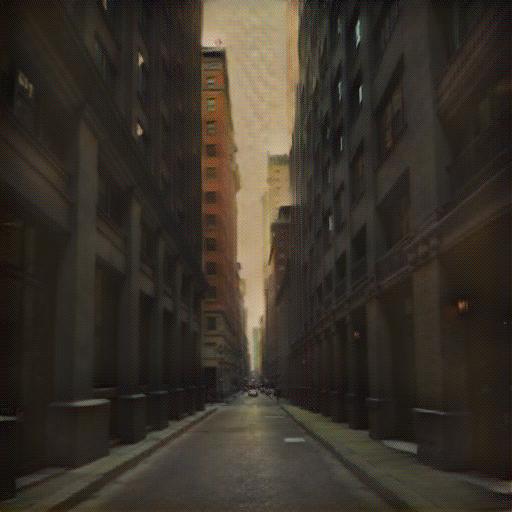
Landscapes — Van Gogh Style Transfer


Architecture — Van Gogh Style Transfer
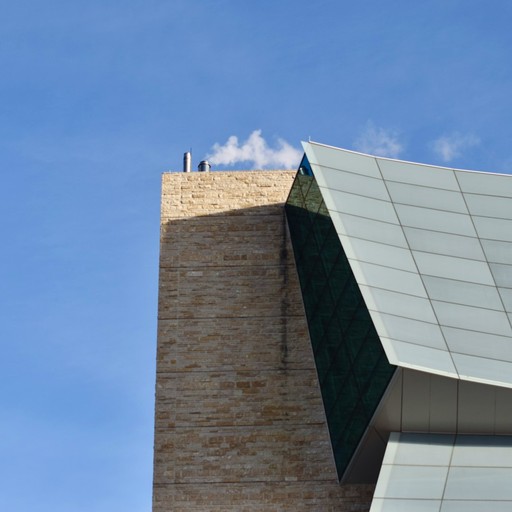
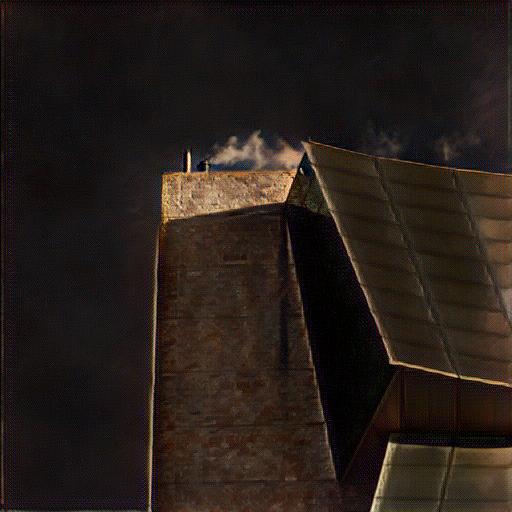
Animals — Van Gogh Style Transfer
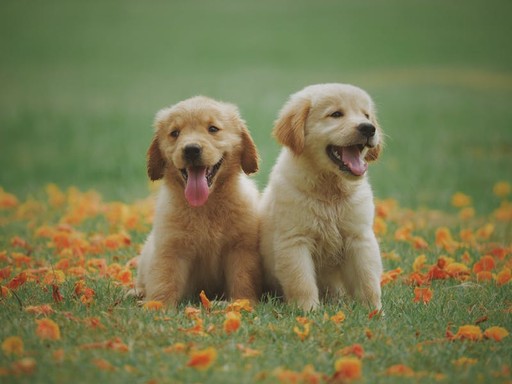

Still Life — Van Gogh Style Transfer


Flowers — Van Gogh Style Transfer


Seascapes — Van Gogh Style Transfer

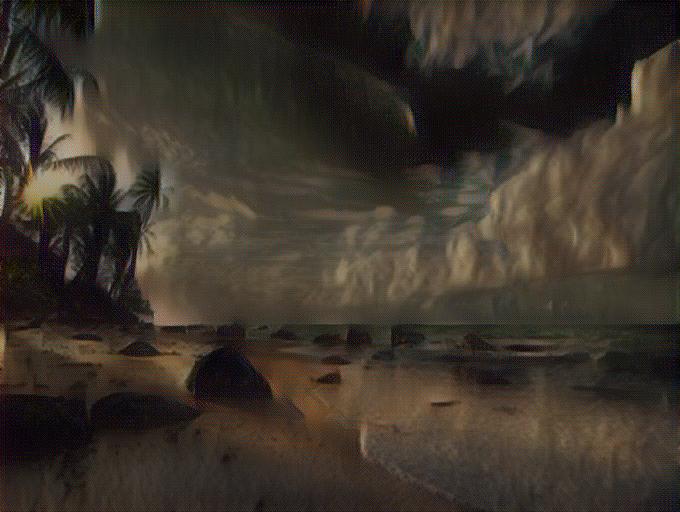
Food — Van Gogh Style Transfer


Night Scenes — Van Gogh Style Transfer

Who Was Van Dyck?
Anthony van Dyck was born in Antwerp in 1599, the seventh of twelve children in a prosperous merchant family. His talent was evident early -- he entered the studio of Hendrik van Balen at age ten and was producing independent works by fifteen. By 1618, he was registered as a free master in the Antwerp Guild of Saint Luke, an extraordinary achievement for a teenager. He soon joined Peter Paul Rubens's workshop, where Rubens himself reportedly called van Dyck "the best of my pupils."
But van Dyck was never content to remain in Rubens's shadow. In 1621, he traveled to Italy, spending six years absorbing the lessons of Titian, Veronese, and the Venetian colorists. This Italian sojourn proved decisive. From Titian, van Dyck learned the art of painting silk and satin with a luminosity that seemed to generate its own light. From Venetian practice generally, he absorbed a looser, more atmospheric handling of paint that contrasted sharply with the precise, enamel-like finish of northern Netherlandish tradition.
Returning to Antwerp in 1627, van Dyck established himself as the city's leading portraitist. But his greatest triumph came in 1632, when Charles I summoned him to England and appointed him court painter. In London, van Dyck produced the paintings that would define his legacy: Charles I at the Hunt (c. 1635), where the king stands in a landscape with effortless authority; Charles I on Horseback (c. 1637--38), a monumental equestrian portrait that projects sovereign power; and dozens of portraits of the English aristocracy that collectively created a visual mythology of the Caroline court.
Van Dyck's English portraits were not merely accurate likenesses -- they were idealizations that elevated their subjects into a world of permanent grace. He elongated figures, refined features, positioned hands with studied elegance, and wrapped his sitters in cascades of silk and satin that seem to ripple with life. Every cavalier became more handsome, every lady more luminous, every child more angelic under van Dyck's brush.
He died in London in 1641, at just forty-two -- worn out, it is said, by overwork and the strain of maintaining the lavish lifestyle expected of a court painter. His influence, however, was permanent. The English portrait tradition from Lely to Gainsborough to Sargent traces directly back to van Dyck's innovations.
Signature Techniques
What makes van Dyck's paintings immediately recognizable -- and what neural style transfer captures from his work:
-
Luminous flesh painting -- Van Dyck's skin tones are among the most beautiful in Western art. He built up flesh with layers of warm underpainting overlaid with translucent glazes, creating a pearly luminosity that seems to glow from within. Cheeks flush with delicate warmth, temples show blue veins beneath translucent skin, and hands are rendered with anatomical precision and painterly softness simultaneously.
-
Flowing silk and satin drapery -- No painter before van Dyck captured the behavior of luxury fabrics with such conviction. Silk shimmers, satin gleams, lace delicately curls at cuffs and collars. His drapery does not merely cover figures -- it amplifies their elegance, creating sweeping curves and luminous folds that lead the eye through the composition.
-
Silver-brown atmospheric palette -- Van Dyck's mature palette is distinctive: warm browns and ochres for backgrounds, silver-grey tones for fabrics, rosy flesh tones, and strategic accents of deep red, blue, or gold. The overall tonality is warmer than Rubens but cooler than Rembrandt -- an intermediate zone of refined, atmospheric warmth.
-
Elongated proportions and elegant poses -- Van Dyck systematically elongated his subjects, adding height and slenderness that projected aristocratic refinement. Hands are positioned with studied grace -- one hand on the hip, another resting lightly on a sword hilt or the arm of a chair. Bodies are angled slightly, creating dynamic asymmetry within a framework of composure.
-
Atmospheric landscape backgrounds -- Rather than the sharp, detailed backgrounds of earlier Netherlandish painting, van Dyck placed his figures against soft, atmospheric landscapes or architectural elements that recede into warm haze. These backgrounds suggest grandeur without competing with the figure for attention.
Style Transfer Quality by Photo Type (ArtFID Tested)
We tested ArtRobot's van Dyck style transfer across 15 photo categories using ArtFID (Art Frechet Inception Distance):
- LPIPS: content preservation. Lower = better.
- FID: style fidelity to authentic van Dyck paintings. Lower = more faithful.
Combined formula: ArtFID = (1 + LPIPS) x (1 + FID)
| Photo Category | ArtFID | Stars | Notes |
|---|---|---|---|
| Travel | 277.42 | 5 | Best category -- atmospheric landscapes and figures |
| Fantasy | 280.47 | 5 | Excellent -- aristocratic and mythic quality |
| Portraits | 281.98 | 5 | Excellent -- van Dyck's primary domain |
| Street Scenes | 295.88 | 5 | Strong -- figures in architectural settings |
| Still Life | 318.58 | 4 | Good -- warm palette suits objects |
| Landscapes | 322.23 | 4 | Good -- atmospheric treatment |
| Architecture | 325.78 | 4 | Good -- classical proportions |
| Animals | 331.63 | 4 | Good -- equestrian painting tradition |
| Flowers | 353.52 | 3 | Moderate -- warm tones but limited botanical tradition |
| Vehicles | 356.50 | 3 | Moderate -- anachronistic subjects |
| Interiors | 360.41 | 3 | Moderate -- some modern elements resist |
| Urban Scenes | 372.22 | 3 | Moderate -- modern cityscapes clash |
| Seascapes | 373.51 | 3 | Moderate -- marine subjects outside primary domain |
| Night Scenes | 403.10 | 2 | Weak -- van Dyck painted in natural daylight |
| Food | 410.03 | 2 | Weak -- not a still life specialist |
Key takeaway: Van Dyck is a portrait-and-people specialist. His strongest scores cluster around categories that feature human subjects or atmospheric settings -- travel (277.42), fantasy (280.47), portraits (281.98), and street scenes (295.88). The 5-star categories all share a common thread: they benefit from van Dyck's luminous flesh painting, elegant compositional grace, and atmospheric backgrounds. Categories without human subjects or classical associations score progressively lower.
Travel leads at 277.42 because travel photography often combines figures, architecture, and atmospheric landscapes -- precisely the elements van Dyck handled best. The algorithm applies his warm, silvery palette and atmospheric depth to create images that feel like Old Master paintings discovered in a European collection.
Portraits at 281.98 confirm van Dyck's primary strength. His volumetric flesh modeling, elegant posing, and fabric rendering translate powerfully to portrait photographs, giving subjects an aristocratic refinement that elevates casual snapshots into something that feels genuinely regal.
Before & After Examples
Every row shows the original photograph alongside the AI-generated van Dyck-style result.
Portraits -- 5 stars (ArtFID 281.98)
Portraiture is van Dyck's defining genre -- the category where his style produces its most characteristic and powerful results.
| Original Photo | AI Result |
|---|---|
 |
|
| Source photo | ArtFID: 281.98 -- 5 stars |
The portrait transformation demonstrates van Dyck's courtly vision applied to a modern face. Skin acquires the luminous, pearly quality of van Dyck's finest flesh painting -- warm underlayers glowing through translucent glazes. The background softens to an atmospheric haze of warm browns, removing modern distractions and placing the subject in a timeless, aristocratic setting. Features are subtly refined, gaining the elongated elegance that van Dyck brought to every sitter.
Street Scenes -- 5 stars (ArtFID 295.88)
Street scenes benefit from the combination of figures and architectural settings that van Dyck handled masterfully.
| Original Photo | AI Result |
|---|---|
|
|
| Source photo | ArtFID: 295.88 -- 5 stars |
The street scene transformation reveals van Dyck's atmospheric approach to space and architecture. Buildings recede into warm atmospheric perspective, figures gain the luminous flesh tones and elegant proportions of his court portraits, and the overall palette shifts to the distinctive silver-brown tonality that defines van Dyck's mature work. The result feels like a scene from 17th-century London or Antwerp.
When to Use Van Dyck Style
Van Dyck's style excels in specific photographic scenarios:
1. Portrait Photography. Van Dyck was the greatest portrait painter of his generation. Any portrait -- formal or casual, individual or group -- benefits from his luminous flesh painting, elegant posing, and atmospheric backgrounds. The style transforms modern portraits into images with the gravitas and refinement of Old Master paintings.
2. Wedding and Formal Event Photography. The elegance of van Dyck's vision aligns perfectly with formal occasions. Silk dresses, dark suits, candlelit settings -- these elements echo the world of aristocratic portraiture that van Dyck defined. Wedding portraits gain an heirloom quality that feels timeless.
3. Travel Photography in European Settings. Cathedrals, palaces, cobblestone streets, Mediterranean light -- van Dyck's atmospheric palette transforms European travel photos into images that feel like they belong in a 17th-century collection.
4. Fantasy and Period Drama. Van Dyck's aristocratic aesthetic is ideal for fantasy portraits, cosplay, and period drama stills. The style adds historical authenticity and courtly elegance to any subject intended to evoke a pre-modern world.
5. Fine Art Prints. Van Dyck's silvery tonality and warm atmospheric effects translate beautifully to large prints, creating wall art with genuine Old Master presence.
When NOT to Use Van Dyck Style
Van Dyck's style has genuine limitations. Choose a different style for these subjects:
1. Food Photography. At 410.03 (2 stars), food is van Dyck's weakest category. He was a portrait specialist, not a still life painter. For food subjects, use Zurbarán or a dedicated still life style.
2. Night Photography and Neon. Night scenes score 403.10 (2 stars). Van Dyck painted in natural daylight with warm atmospheric light. Dark, artificially lit, or neon-saturated scenes clash fundamentally with his luminous, daylight-oriented palette.
3. Wildlife and Animal Photography. While van Dyck painted horses in equestrian portraits, he was not an animal specialist. At 331.63 (4 stars), animals produce acceptable results, but dedicated animal painters produce stronger transfers.
4. Modern Minimalist Subjects. Van Dyck's richly textured, atmospheric approach works against clean minimalist aesthetics. White walls, geometric furniture, and sparse compositions gain an incongruous baroque richness.
5. Sports and Action Photography. Van Dyck's subjects are composed, still, and poised. Dynamic action subjects lose their energy when filtered through his contemplative, aristocratic aesthetic.
FAQ
Who was Anthony van Dyck and why is he important?
Anthony van Dyck (1599--1641) was a Flemish Baroque painter who became the most influential portrait painter in European history. Born in Antwerp, he trained under Peter Paul Rubens before establishing his own practice. In 1632, he became Principal Painter to Charles I of England, where he created the definitive visual language of aristocratic portraiture -- luminous flesh tones, flowing silk drapery, elegant poses, and atmospheric backgrounds. His influence shaped English and European portrait painting for the next two hundred years, directly informing the work of Gainsborough, Reynolds, and Sargent.
What photos look best with van Dyck style transfer?
Based on ArtFID testing, travel photography (277.42, 5 stars) produces the best results, closely followed by fantasy (280.47), portraits (281.98), and street scenes (295.88) -- all earning 5 stars. Van Dyck's style is strongest with subjects that involve human figures, atmospheric settings, and classical or historical associations. Food (410.03) and night scenes (403.10) score lowest at 2 stars.
How does van Dyck compare to Rubens for style transfer?
Van Dyck and Rubens were master and student, but their styles diverge significantly. Rubens is more dramatic, muscular, and dynamic -- his compositions burst with energy, flesh is more voluptuous, and color is more saturated. Van Dyck is more refined, elegant, and atmospheric -- his compositions are calmer, flesh is more luminous and delicate, and his palette is cooler and more silvery. Choose Rubens for drama and power; choose van Dyck for elegance and sophistication.
Is it legal to use van Dyck's art style on my photos?
Yes. Anthony van Dyck died in 1641, and all his works are firmly in the public domain. The style references used by ArtRobot are sourced from museum collections under CC0 / Public Domain license. Your stylized results can be used for both personal and commercial projects without restriction.
Is van Dyck style transfer free on ArtRobot?
ArtRobot offers free credits to new users, allowing you to try van Dyck style transfer without payment. Upload your photo, select the van Dyck style, and see the result in seconds. Additional credits are available through affordable plans.
Ready to Transform Your Photos with Van Dyck's Courtly Elegance?
Van Dyck's style brings the luminous sophistication of Flemish Baroque portraiture to your photographs -- silvery tonality, aristocratic grace, and the timeless refinement that made him the most influential portrait painter in European history.
Start Your Free Van Dyck Style Transfer on ArtRobot ->
Related Styles
- Peter Paul Rubens Style Transfer -- Van Dyck's master. More dramatic and muscular, with saturated color and dynamic compositions.
- Rembrandt Style Transfer -- Contemporary Dutch master. Deeper chiaroscuro, more psychological depth, earthier palette.
- Diego Velazquez Style Transfer -- Spanish court painter contemporary. Similar aristocratic subjects, but with cooler palette and more restrained brushwork.
- Baroque Style Transfer -- The broader movement that encompassed van Dyck's work, from Caravaggio's drama to Vermeer's intimacy.
Try It Yourself
Transform your own photos into stunning paintings with 80+ artist styles. Free to start.