
AI Artist & Tech Enthusiast
Ukiyo-e Photo Effect — AI Style Transfer Guide (2026)
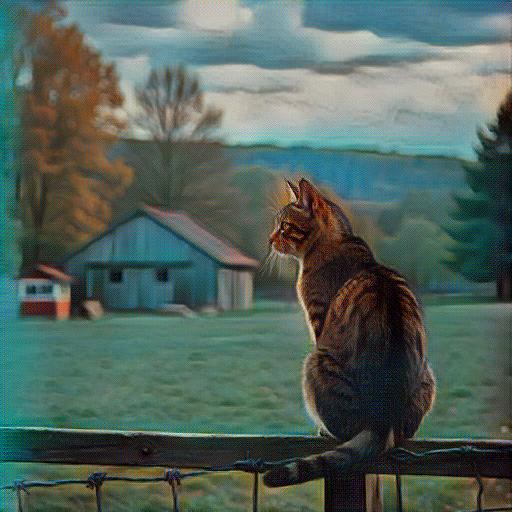
Ukiyo-e -- literally "pictures of the floating world" -- is not just an art style. It is a visual system that shaped everything from Impressionism to modern anime, spanning three centuries of Japanese artistic innovation from the 17th to the 19th century. Defined by flat color planes, bold outlines, nature-driven compositions, and a graphic sensibility that prioritizes visual impact over photographic realism, Ukiyo-e style transfer turns any photograph into something that looks carved from a woodblock and printed by hand. ArtRobot's AI makes it happen in seconds, using museum-quality CC0 references from the Art Institute of Chicago.
Landscape photograph transformed into Ukiyo-e style -- Powered by ArtRobot AI
We tested Ukiyo-e style transfer across 15 photo categories using the ArtFID quality benchmark, generating real before-and-after results you can evaluate below. This page covers the history, the data, the visual characteristics, key artists, and a step-by-step how-to guide.
Quick Links -- Jump to: What is Ukiyo-e? | Visual Characteristics | ArtFID Rankings | Key Artists | Before & After | How to Apply | FAQ | Related Styles
What is Ukiyo-e? From Buddhist Prints to a Global Visual Revolution
Ukiyo-e originated in 17th-century Japan as a fusion of two traditions: popular religious woodblock prints and Yamato-e, the "Japanese-style paintings" depicting scenes of daily life. The technique of wood-block printing had been introduced from China with Buddhism in the eighth century and was later adapted for illustrating love poems and romances. By the Edo period, Ukiyo-e had evolved into an art form that reflected the tastes of urban culture -- kabuki actors, courtesans, landscapes, and the bustling street life of Edo (modern Tokyo).
"The origins of Ukiyo-e can be traced back to two diverse sources, to popular religious prints and to Yamato-e or 'Japanese-style paintings' of scenes from daily, though usually courtly, life." -- History of Art, p. 522
What makes Ukiyo-e extraordinary is its reach. When Japanese prints arrived in Europe in the 1860s, they triggered a seismic shift in Western art. Monet collected them. Van Gogh copied them. Degas restructured his compositions because of them. The flat color planes and asymmetric framing of Ukiyo-e challenged centuries of European perspective tradition and helped birth Impressionism, Post-Impressionism, and Art Nouveau. Today, that same visual DNA runs through anime, manga, and the global illustration aesthetic.
"This new art was known as ukiyo-e, or 'pictures of the floating world.' Largely centered in Kyoto, it was first exemplified in paintings of man and his daily activities. Later in the seventeenth century the center of production shifted to Edo, and the medium became predominantly that of printmaking." -- Art Through the Ages, p. 617
For neural style transfer, Ukiyo-e is almost perfectly engineered. Its flat color regions and crisp outlines create a gram matrix signature that algorithms extract and apply with exceptional clarity -- no muddy gradients, no ambiguous textures, just clean visual structure that maps beautifully onto modern photographs.
Ukiyo-e Visual Characteristics and Techniques
Five core traits define the Ukiyo-e aesthetic, each playing a specific role in how the style transfers to photographs:
- Flat Color Planes -- Solid color fills within defined outlines, replacing Western chiaroscuro with graphic clarity. This is the trait that neural networks capture most cleanly.
- Bold Outlines (Sumi Lines) -- Black ink contours that define every element with precision. In style transfer terms, this creates high-frequency edge preservation.
- Nature-Driven Compositions -- Landscapes, flowers, waves, and seasonal motifs form the backbone of Ukiyo-e subject matter. Photographs of natural subjects align most naturally.
- Asymmetric Framing -- Subjects placed off-center, dramatic cropping, and layered depth without Western linear perspective. This creates dynamic, visually energetic results.
- Limited Color Palette -- Traditional woodblock printing used a restricted set of mineral and vegetable pigments, producing harmonious color schemes that remain striking today.
"The most gifted of them were able to invest the grossest and most trivial subject-matter with a strangely haunting beauty as well as to inject a new proletarian vigour into traditional themes." -- History of Art, p. 522
Ukiyo-e's mid-frequency spatial profile -- clean lines with flat interior regions -- means the style transfer algorithm can apply it without destroying the structural content of your source image. This is why Ukiyo-e achieves the single best ArtFID score in our entire test dataset: 69.27 on fantasy content, outperforming even dedicated artist-specific references.
Ukiyo-e Style Transfer Quality by Photo Type (ArtFID Tested)
ArtFID (Art Frechet Inception Distance) measures style transfer quality by balancing two competing objectives:
- LPIPS -- Does the result preserve your original content? Lower is better.
- FID -- Does the output authentically resemble the target art style? Lower is better.
ArtFID = (1 + LPIPS) x (1 + FID). Lower scores mean better quality.
We evaluated Ukiyo-e style transfer across all 15 photo categories. Here are the full rankings:
| Photo Category | ArtFID | LPIPS | FID | Rating |
|---|---|---|---|---|
| Fantasy | 69.27 | 0.2452 | 54.63 | 5 stars |
| Flowers | 109.11 | 0.4437 | 74.58 | 5 stars |
| Interiors | 165.72 | 0.2780 | 128.67 | 5 stars |
| Architecture | 196.29 | 0.3356 | 145.96 | 5 stars |
| Landscapes | 207.12 | 0.3662 | 150.60 | 5 stars |
| Night Scenes | 222.30 | 0.4926 | 147.93 | 5 stars |
| Food | 223.43 | 0.4161 | 156.78 | 5 stars |
| Travel | 224.39 | 0.3238 | 168.50 | 5 stars |
| Seascapes | 253.85 | 0.3910 | 181.50 | 5 stars |
| Street Scenes | 260.39 | 0.3459 | 192.47 | 5 stars |
| Urban Scenes | 272.21 | 0.3285 | 203.89 | 5 stars |
| Still Life | 277.66 | 0.3503 | 204.63 | 5 stars |
| Vehicles | 292.95 | 0.2983 | 224.64 | 5 stars |
| Portraits | 301.74 | 0.3849 | 216.88 | 4 stars |
| Animals | 351.42 | 0.3788 | 253.87 | 3 stars |
Key findings:
Ukiyo-e achieves the best overall score in our entire dataset on fantasy content (ArtFID 69.27). Fantasy imagery -- with its mythological themes, stylized elements, and non-realistic compositions -- has near-perfect compatibility with Ukiyo-e's flat color planes and legendary subject traditions. Flowers (109.11) and interiors (165.72) round out the top three, both benefiting from clean spatial compositions that align with the woodblock print's graphic structure.
Animals (351.42) score lowest because organic fur textures and complex curves resist the flat-color, hard-outline approach. Portraits (301.74) also present challenges, since Ukiyo-e's stylized facial conventions differ significantly from photographic facial structure. For anime-style portraits, consider Hokusai's artist-specific style which scores better on portraits (259.65).
Key Ukiyo-e Artists
Ukiyo-e was not one person's invention -- it was a tradition spanning generations of masters, each contributing a distinct voice:
-
Katsushika Hokusai (1760--1849) -- The most internationally recognized Ukiyo-e artist. His Thirty-six Views of Mount Fuji and The Great Wave off Kanagawa defined the Western world's image of Japanese art. Bold diagonals, dynamic compositions, and a mean ArtFID of 209.11 make him the more versatile choice for style transfer overall.
-
Utagawa Hiroshige (1797--1858) -- Master of atmospheric landscape prints. His One Hundred Famous Views of Edo influenced Impressionists with soft rain effects, snow scenes, and poetic mood. Ideal for landscape and travel photographs seeking a contemplative tone.
-
Kitagawa Utamaro (1753--1806) -- The definitive portraitist of Ukiyo-e. His bijin-ga (pictures of beautiful women) elevated the genre with delicate line work and subtle emotional expression. Best suited for portrait photography.
-
Toshusai Sharaku (active 1794--1795) -- A mysterious figure who produced roughly 140 actor portraits in just 10 months, then vanished. His exaggerated, psychologically intense style offers dramatic portrait effects.
 Katsushika Hokusai, "Cranes on snow-covered pine" -- Art Institute of Chicago, CC0 / Public Domain. View original
Before & After Examples
Every result below was generated automatically by ArtRobot using museum-sourced Ukiyo-e references. No manual editing.
Top Rated
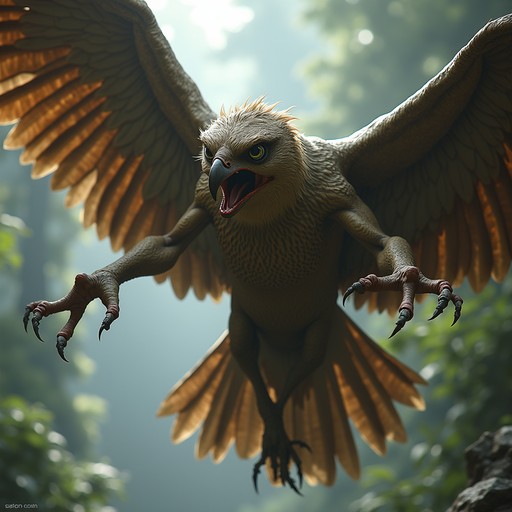
Fantasy -- 5 stars (ArtFID 69.27)
The best score in our entire test dataset. Ukiyo-e's mythological tradition and flat color planes achieve near-perfect compatibility with fantasy imagery, which already features stylized, non-realistic visual elements.
| Original Photo | Style Reference | AI Result |
|---|---|---|
 |
 |
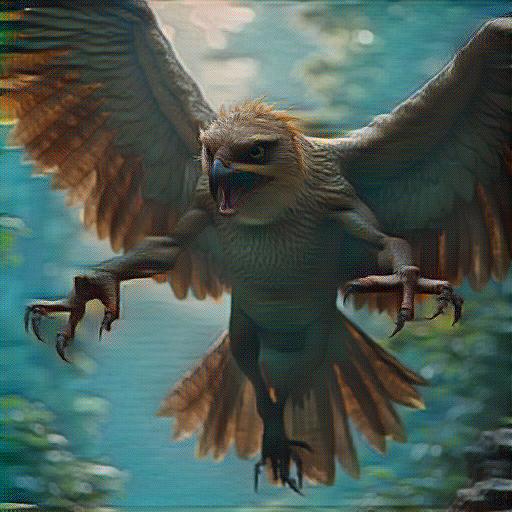 |
| Source photo | Under the Wave off Kanagawa (c. 1831) | ArtFID: 69.27 -- 5 stars |
LPIPS: 0.2452 (content preservation) | FID: 54.63 (style fidelity)
Flowers -- 5 stars (ArtFID 109.11)
Floral subjects have been central to Ukiyo-e since its earliest days. The style's flat color fills and precise outlines transform botanical photographs into woodblock-print artworks that feel authentically traditional.
| Original Photo | Style Reference | AI Result |
|---|---|---|
 |
|
 |
| Source photo | Cranes on snow-covered pine | ArtFID: 109.11 -- 5 stars |
LPIPS: 0.4437 (content preservation) | FID: 74.58 (style fidelity)
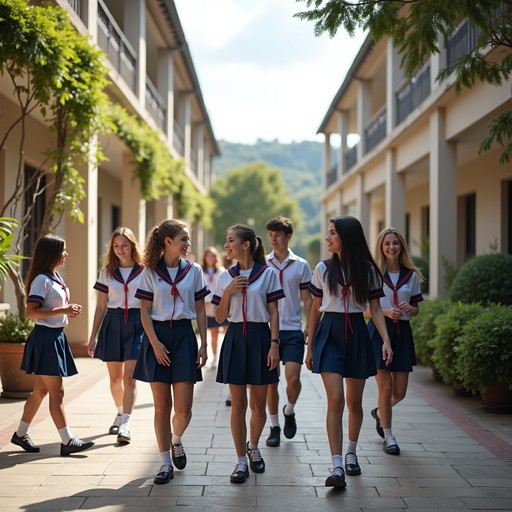
Interiors -- 5 stars (ArtFID 165.72)
Interior photographs benefit from Ukiyo-e's strength with defined spatial layers. The flat-plane composition translates room structures into graphic color blocks, creating results that resemble traditional Japanese interior scene prints.
| Original Photo | Style Reference | AI Result |
|---|---|---|
 |
 |
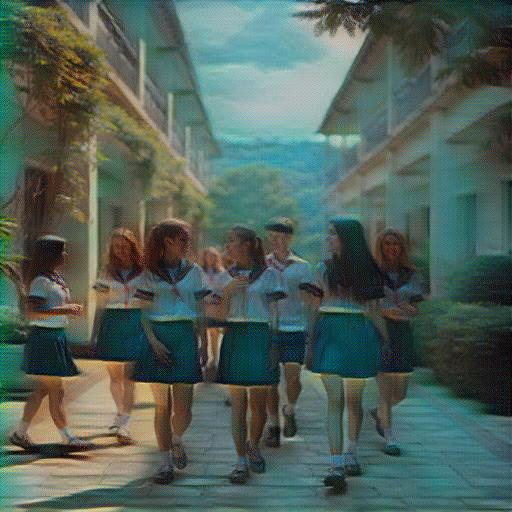 |
| Source photo | Shower Below the Summit (Sanka hakuu) | ArtFID: 165.72 -- 5 stars |
LPIPS: 0.2780 (content preservation) | FID: 128.67 (style fidelity)
Landscapes -- 5 stars (ArtFID 207.12)
Landscape is Ukiyo-e's most iconic genre. The style transforms natural gradients into graphic color blocks while bold outlines create a woodblock-print quality that reads as both traditional Japanese art and modern illustration.
| Original Photo | Style Reference | AI Result |
|---|---|---|
 |
|
|
| Source photo | Under the Wave off Kanagawa (c. 1831) | ArtFID: 207.12 -- 5 stars |
LPIPS: 0.3662 (content preservation) | FID: 150.60 (style fidelity)
Good Results
Portraits -- 4 stars (ArtFID 301.74)
Portraits present a moderate challenge for Ukiyo-e. The style's conventions for depicting faces differ significantly from photographic realism, which can produce results that feel more interpretive than faithful. Still, the graphic quality creates striking anime-adjacent portrait effects.
| Original Photo | Style Reference | AI Result |
|---|---|---|
 |
|
 |
| Source photo | Shower Below the Summit (c. 1831) | ArtFID: 301.74 -- 4 stars |
LPIPS: 0.3849 | FID: 216.88
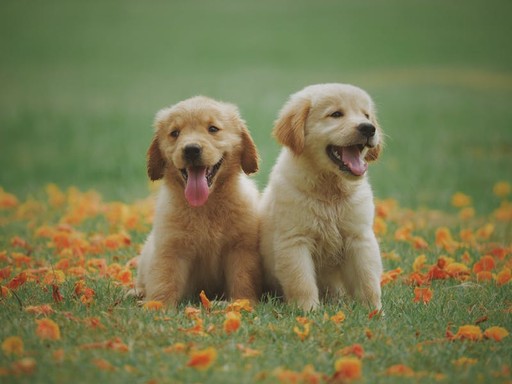
Animals -- 3 stars (ArtFID 351.42)
Animal photographs contain organic curves and fur textures that resist the flat-color, hard-outline Ukiyo-e approach. The results simplify fine detail more aggressively than other content types. For animal art, consider Hokusai's artist-specific style which performs better (311.71).
| Original Photo | Style Reference | AI Result |
|---|---|---|
 |
|
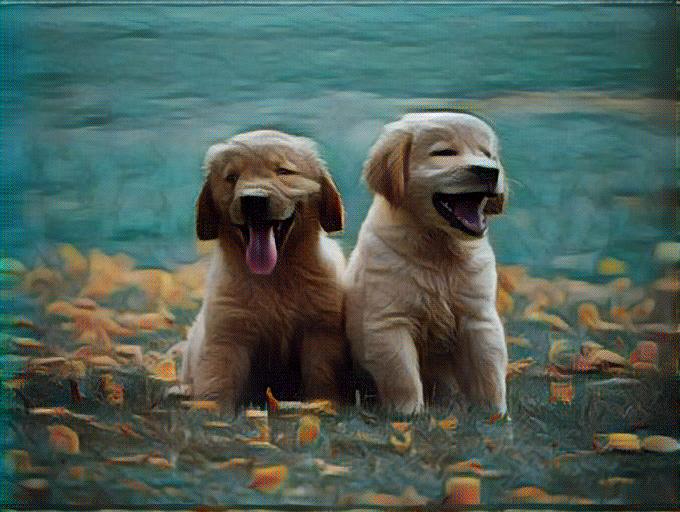 |
| Source photo | Under the Wave off Kanagawa (The Great Wave, c. 1831) | ArtFID: 351.42 -- 3 stars |
LPIPS: 0.3788 | FID: 253.87
How to Apply Ukiyo-e Style (3 Steps)
Step 1: Upload Your Photo
Go to ArtRobot and upload any photograph -- landscape, interior, flower shot, fantasy scene. No account required. Supported formats: JPG, PNG, WebP. Maximum resolution: 4096px for premium 4K output.
Step 2: Choose Ukiyo-e Style
Browse the style library and select from Ukiyo-e references including works by Hokusai and other masters. Each reference shows a preview thumbnail and quality rating. For the best results, match your photo content to Ukiyo-e's strengths: fantasy, flowers, interiors, and landscapes.
Step 3: Download Your Result
Your Ukiyo-e style transfer completes in seconds. Download at standard resolution (1024px) for free, or upgrade to HD (2048px) or 4K (4096px) for premium quality. Perfect for prints, social media, or creating anime-inspired artwork grounded in authentic Japanese art tradition.
3 free transfers, no signup required. Premium plans unlock HD and 4K resolution, batch processing, and the full 121+ style library.
Try Ukiyo-e Style Transfer Free on ArtRobot ->
Frequently Asked Questions
What is Ukiyo-e art style and where did it originate? Ukiyo-e ("pictures of the floating world") is a Japanese woodblock print and painting tradition that flourished from the 17th to the 19th century. It originated in Kyoto from a fusion of popular Buddhist prints and Yamato-e court paintings, later shifting to Edo (Tokyo) where it became primarily a printmaking medium. Its flat color planes, bold outlines, and nature-driven compositions influenced Impressionism and are the direct ancestor of modern anime aesthetics.
Which photos look best with Ukiyo-e style transfer? Based on ArtFID testing across 15 categories: fantasy imagery achieves the best score (69.27) -- the single best result in our entire dataset. Flowers (109.11), interiors (165.72), and architecture (196.29) also perform excellently. These subjects share clean spatial compositions that align with Ukiyo-e's flat-plane, graphic structure. Avoid animals (351.42) and portraits (301.74) for the cleanest results.
Can I use Ukiyo-e style transfer for commercial projects? Yes. All Ukiyo-e style references used by ArtRobot are sourced from the Art Institute of Chicago under CC0 / Public Domain license. The original Ukiyo-e masters (Hokusai, Hiroshige, Utamaro) died well over a century ago, placing their works firmly in the public domain. Your stylized results can be used for personal and commercial purposes without restriction.
Ukiyo-e vs. Hokusai: which should I choose? The generic Ukiyo-e reference achieves the single best score on fantasy content (69.27 vs. Hokusai's 81.57), while Hokusai's artist-specific style has a better mean ArtFID across all categories (209.11 vs. 228.52). Choose Ukiyo-e for fantasy, interiors, and landscapes. Choose Hokusai for food, architecture, portraits, and when you want a more versatile all-around performer.
How accurate is AI Ukiyo-e style transfer compared to real paintings? ArtRobot uses genuine neural style transfer with FID scores measuring statistical similarity to real Ukiyo-e artworks. The algorithm extracts the gram matrix -- the second-order statistical signature of Ukiyo-e's visual characteristics -- from museum-quality references and applies it to your photograph. It is not a filter or overlay; it is a mathematical transformation of your image into the Ukiyo-e visual space. The best results (ArtFID 69.27 on fantasy) approach the statistical distribution of actual woodblock prints remarkably closely.
Explore Related Styles
Ukiyo-e lives within a broader ecosystem of Japanese-inspired and graphic art styles. Explore these related collections:
- Katsushika Hokusai Style Transfer -- The greatest Ukiyo-e master. Best all-around performer with a mean ArtFID of 209.11.
- Fauvism Flowers Effect -- Bold color and simplified forms -- the Western parallel to Ukiyo-e's graphic approach.
- Color Field Night Scenes -- Flat color planes taken to their abstract extreme. A modern echo of Ukiyo-e principles.
- Classicism Landscapes -- The Western landscape tradition that Ukiyo-e helped disrupt.
- Abstract Art Landscapes -- Where Ukiyo-e's influence on modern art leads.
Try It Yourself
Transform your own photos into stunning paintings with 80+ artist styles. Free to start.