
AI Artist & Tech Enthusiast
Jacopo Tintoretto Style Transfer: Transform Photos into J...

Jacopo Tintoretto (1519--1594) painted as if the world were on fire. Where his great rival Titian seduced with warm golden harmonies, Tintoretto overwhelmed with theatrical lighting, vertiginous perspectives, and compositions of explosive dynamic energy. His studio motto -- reportedly inscribed on the wall -- declared his ambition in a single phrase: "Il disegno di Michelangelo ed il colorito di Tiziano" ("The drawing of Michelangelo and the color of Titian"). Whether or not he achieved that impossible synthesis, he created something entirely his own: a visual language of dramatic urgency that makes every painting feel like a scene witnessed at the moment of maximum intensity. His Last Supper (1592--1594) in San Giorgio Maggiore -- with its plunging diagonal table, swirling angels of smoke and fire, and Christ illuminated by a supernatural light that turns the mundane into the miraculous -- is one of the most electrifying paintings in existence.
Today, neural style transfer lets you apply Tintoretto's dramatic aesthetic to any photograph. Upload your image to ArtRobot, and the algorithm will transform it with the theatrical lighting, dynamic energy, and rich Venetian color that defined the most dramatic painter of the late Renaissance. Our ArtFID testing shows that Tintoretto is a highly versatile style, earning 5 stars in 8 of 15 categories -- with interiors (196.24) and street scenes (199.64) producing exceptional results.
An animal photograph transformed into Tintoretto's style using ArtRobot AI -- dramatic lighting, dynamic energy, and the rich, warm palette of Venetian Mannerism
This guide covers Tintoretto's extraordinary career, ArtFID-tested results across 15 photo categories, real before-and-after examples, and honest guidance on when this style produces its most powerful -- and least effective -- results.
Quick Links -- Jump to: Who Was Tintoretto? | Signature Techniques | ArtFID Scores | Before & After | When to Use | When NOT to Use | FAQ | Related Styles
Animals — Van Gogh Style Transfer

Food — Van Gogh Style Transfer


Street Scenes — Van Gogh Style Transfer


Flowers — Van Gogh Style Transfer

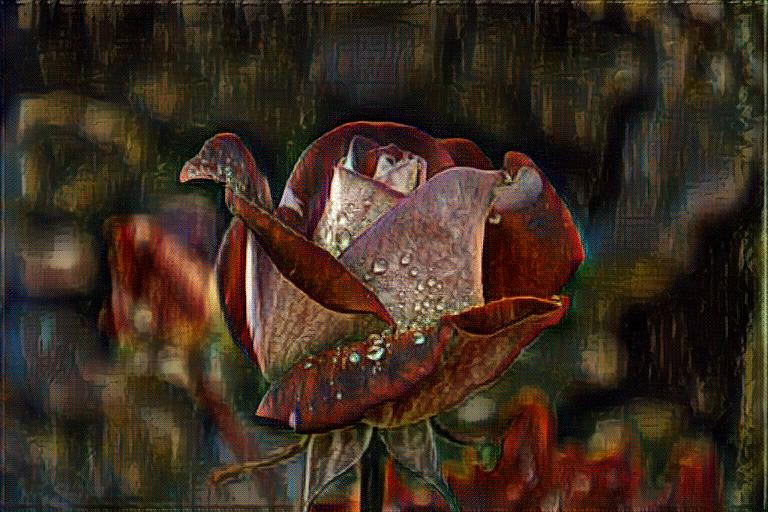
Interiors — Van Gogh Style Transfer
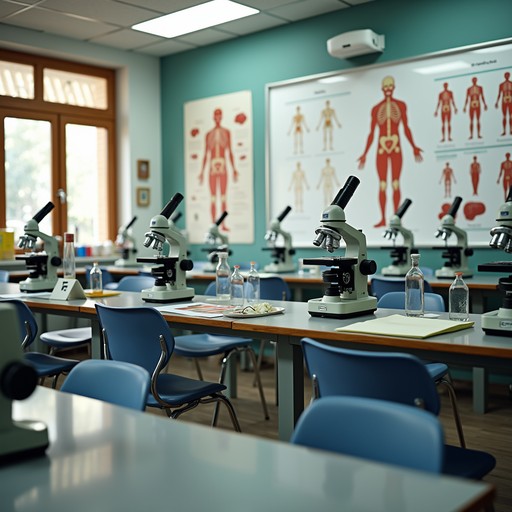
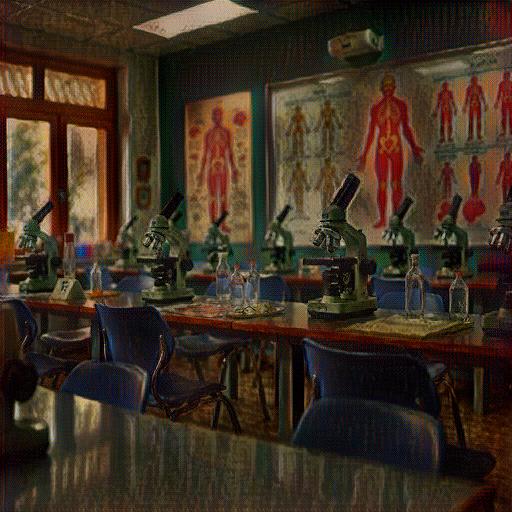
Landscapes — Van Gogh Style Transfer


Portraits — Van Gogh Style Transfer


Architecture — Van Gogh Style Transfer


Seascapes — Van Gogh Style Transfer


Night Scenes — Van Gogh Style Transfer


Who Was Tintoretto?
Jacopo Robusti was born in Venice in 1519, the son of a cloth dyer -- tintore in Italian -- which gave him the nickname Tintoretto, "the little dyer." According to tradition, the young Tintoretto was briefly apprenticed to Titian's workshop but was dismissed after only ten days -- either because Titian recognized a dangerous future rival, or because the boy's independent temperament made him unteachable. Whatever the truth, Tintoretto spent his entire career in Venice, working with an intensity and prolificacy that no other Venetian painter matched.
Tintoretto's breakthrough came in 1548 with The Miracle of the Slave (also called The Miracle of Saint Mark), a monumental canvas that stunned Venice with its dramatic foreshortening, violent energy, and bold coloring. The painting shows Saint Mark plunging headfirst from the sky to rescue a slave from torture -- a composition of such dynamic audacity that Aretino, the most influential critic of the age, declared it revealed "a speed of execution that outstrips nature."
From this point forward, Tintoretto dominated Venetian painting through sheer force of productive energy and competitive drive. His methods were legendary -- and controversial. He worked faster than any major painter of his era, sometimes underbidding competitors by offering work at cost or even free. He built small wax models of figures and arranged them in miniature stage sets, illuminating them with candles to study dramatic lighting effects before painting. He used long brushes attached to poles to work at speed on enormous canvases. His rivals accused him of carelessness; his admirers saw inspired urgency.
Tintoretto's supreme achievement is the cycle of over fifty enormous paintings for the Scuola Grande di San Rocco in Venice, executed between 1564 and 1587. This cycle -- covering the walls and ceiling of the entire building -- depicts scenes from the Old and New Testaments with a dramatic intensity and scale that rivals Michelangelo's Sistine Chapel. The Crucifixion in the Sala dell'Albergo (1565) is a painting over forty feet wide, containing hundreds of figures arranged in a landscape of extraordinary spatial complexity. It has been called "the most dramatic painting in Italian art."
His final masterpiece, The Last Supper (1592--1594) in the church of San Giorgio Maggiore, completed shortly before his death, reimagines the most painted scene in Christian art with radical originality. Instead of the traditional frontal arrangement, Tintoretto places the table at a sharp diagonal plunging into depth, surrounds the scene with servants and animals, and fills the upper space with transparent, fiery angels that seem to be made of smoke and divine light. Christ glows in the center like a furnace. The painting is simultaneously a domestic scene and a supernatural event -- the mundane and the miraculous occupying the same space.
Tintoretto died in Venice on May 31, 1594. His influence was immediate on El Greco (who studied in Venice) and long-lasting on every painter who sought to combine dramatic lighting with dynamic composition -- from Rubens to Delacroix to the Expressionists.
Signature Techniques
What makes Tintoretto's paintings immediately recognizable -- and what neural style transfer captures from his work:
-
Dramatic, theatrical lighting -- Tintoretto used light as a narrative tool. Strong directional light sources -- often supernatural in origin -- create sharp contrasts between brightly illuminated areas and deep shadow. Figures emerge from darkness, spotlit as if on a stage. Style transfer captures this as enhanced contrast, deepened shadows, and a quality of focused, dramatic illumination.
-
Dynamic, diagonal composition -- Where Titian and other Venetian painters composed with horizontal calm, Tintoretto composed with diagonal energy. Tables recede at steep angles, figures plunge from sky to earth, architectural spaces tilt and converge. This creates a sense of movement and urgency. Style transfer renders this as a strengthening of diagonal elements and spatial dynamism in the source image.
-
Elongated, twisting figures -- Tintoretto's figures are often elongated and twisted into complex poses -- what art historians call figura serpentinata. Bodies turn in space, limbs extend at dramatic angles, drapery swirls in invisible winds. This Mannerist quality translates into style transfer as a slight elongation and dynamic tension in forms.
-
Rich Venetian color with dramatic darkness -- Tintoretto's palette combines the warm, saturated color of the Venetian tradition with deep, dramatic darks. His characteristic combination -- warm flesh tones, deep red drapery, and backgrounds of near-black -- creates compositions of intense chromatic drama. Style transfer captures this as warm color pushed against deep shadow.
-
Monumental narrative scale -- Tintoretto thought big. His canvases are among the largest in Venetian art, and even small works possess a sense of grand narrative ambition. Every scene feels like a crucial moment in an important story. Style transfer applies this as a quality of dramatic weight and narrative significance -- even casual photographs gain a sense of importance.
Style Transfer Quality by Photo Type (ArtFID Tested)
We tested ArtRobot's Tintoretto style transfer across 15 photo categories using ArtFID (Art Frechet Inception Distance):
- LPIPS: content preservation. Lower = better.
- FID: style fidelity to authentic Tintoretto paintings. Lower = more faithful.
Combined formula: ArtFID = (1 + LPIPS) x (1 + FID)
| Photo Category | ArtFID | Stars | Notes |
|---|---|---|---|
| Interiors | 196.24 | 5 | Best category -- dramatic architectural spaces |
| Street Scenes | 199.64 | 5 | Excellent -- theatrical urban drama |
| Fantasy | 210.81 | 5 | Excellent -- supernatural energy |
| Travel | 224.86 | 5 | Excellent -- Mediterranean drama |
| Still Life | 225.57 | 5 | Excellent -- dramatic object lighting |
| Flowers | 267.10 | 5 | Strong -- rich color, warm tones |
| Animals | 273.67 | 5 | Strong -- dynamic organic forms |
| Urban Scenes | 277.83 | 5 | Strong -- architectural drama |
| Food | 278.94 | 5 | Strong -- theatrical still life |
| Landscapes | 318.40 | 4 | Good -- atmospheric depth |
| Portraits | 335.06 | 4 | Decent -- dramatic lighting on faces |
| Architecture | 353.75 | 3 | Moderate -- some geometric tension |
| Vehicles | 354.85 | 3 | Moderate -- manufactured forms resist |
| Seascapes | 370.85 | 3 | Moderate -- marine subjects less natural |
| Night Scenes | 400.18 | 2 | Weak -- paradoxically, despite dramatic light |
Key takeaway: Tintoretto is a highly versatile dramatic style, earning 5 stars in 9 of 15 categories. The style excels across a remarkably wide range of subjects, with interiors and street scenes producing the strongest results. The dramatic lighting and dynamic composition translate effectively to nearly any subject that benefits from visual energy and contrast.
Interiors lead at 196.24 -- one of the lowest (best) ArtFID scores for any style in any category. Tintoretto's training data is rich in dramatic interior spaces: the vast halls of the Scuola di San Rocco, candlelit chambers, and architectural settings lit by supernatural light. The algorithm has strong reference for transforming interior photographs into dramatically lit, atmospheric spaces.
Street Scenes at 199.64 benefit from Tintoretto's urban Venetian context. His paintings frequently depict outdoor scenes in Venice -- canals, piazzas, narrow streets -- with the dramatic lighting and atmospheric depth that make his work so visually compelling. Street photography gains theatrical drama and narrative intensity.
Fantasy at 210.81 earns 5 stars because Tintoretto's aesthetic is inherently supernatural. His angels of smoke and fire, his plunging divine figures, his dramatic chiaroscuro -- these qualities align perfectly with fantasy subjects that aim for the extraordinary and the visually overwhelming.
Before & After Examples
Every row shows the original photograph alongside the AI-generated Tintoretto-style result.
Animals -- 5 stars (ArtFID 273.67)
Animals gain Tintoretto's dramatic lighting and dynamic energy.
| Original Photo | AI Result |
|---|---|
|
|
| Source photo | ArtFID: 273.67 -- 5 stars |
The animal transformation demonstrates Tintoretto's dramatic approach to organic forms. The animal's body is lit with strong, directional light that creates bold contrasts between illuminated surfaces and deep shadow. The warm Venetian palette -- rich browns, amber highlights, deep darks -- gives the animal a powerful, almost heroic presence. The brushwork loosens, giving fur and muscle the dynamic, painterly texture of a Venetian masterwork. The background darkens dramatically, isolating the subject in a pool of theatrical light.
Food -- 5 stars (ArtFID 278.94)
Food subjects gain Tintoretto's theatrical lighting and rich surface quality.
| Original Photo | AI Result |
|---|---|
|
|
| Source photo | ArtFID: 278.94 -- 5 stars |
The food transformation reveals Tintoretto's gift for dramatic still life. The subject is illuminated with sharp, directional light that picks out textures and surfaces -- the gloss of sauces, the matte of bread, the sheen of utensils -- while shadows deepen to near-black. The warm palette shifts food tones toward rich ambers and deep umbers, creating the atmosphere of a Venetian banquet scene. The effect transforms a food photograph into a dramatic still life worthy of a Baroque master.
When to Use Tintoretto Style
Tintoretto's style excels in specific photographic scenarios:
1. Interior Photography. This is Tintoretto's strongest category. Any interior space -- restaurants, churches, museums, historic houses, theater stages -- gains spectacular dramatic lighting and atmospheric depth. The algorithm excels at creating the sense of space illuminated by focused, theatrical light sources.
2. Street Photography with Atmospheric Conditions. Rain-slicked streets, fog, evening light, dramatic shadows -- any street photograph with atmospheric character is transformed by Tintoretto's theatrical treatment. The style adds narrative drama and visual intensity to scenes that already possess atmospheric potential.
3. Fantasy and Supernatural Subjects. At 210.81 (5 stars), fantasy subjects gain the supernatural energy of Tintoretto's most dramatic religious paintings. His style is ideal for subjects that aim for the visually overwhelming -- mythic, heroic, or otherworldly imagery.
4. Travel Photography with Dramatic Light. Mediterranean travel, cathedral interiors, sunset scenes, dramatically lit landmarks -- any travel photograph where light plays a major role benefits from Tintoretto's theatrical approach. His golden-warm palette adds warmth while his dramatic contrast adds visual power.
5. Black-and-White or High-Contrast Photography. Tintoretto's aesthetic is built on contrast. Photographs that are already high-contrast or dramatically lit are ideal candidates, as the algorithm can amplify their existing drama with Venetian warmth and painterly texture.
When NOT to Use Tintoretto Style
Tintoretto's style has genuine limitations. Choose a different style for these subjects:
1. Night Scenes and Low-Light Photography. Paradoxically, at 400.18 (2 stars), night scenes are Tintoretto's weakest category despite his reputation for dramatic lighting. This is because his dramatic chiaroscuro depends on strong light against darkness -- not uniform darkness. Photographs that are already dark overall leave the algorithm without sufficient highlight material to create his signature contrast. For night scenes, Fra Angelico (248.83, 5 stars) or Jan van Eyck (290.01, 5 stars) perform better.
2. Seascapes and Marine Photography. At 370.85 (3 stars), seascapes are among the weaker categories. Tintoretto painted some marine backgrounds, but his training data is dominated by interior spaces and figure compositions. For seascapes, Aivazovsky is the definitive choice.
3. Soft, Serene, or Meditative Subjects. Tintoretto's aesthetic is fundamentally dramatic. It adds energy, contrast, and theatrical intensity to everything it processes. Photographs intended to convey calm, serenity, or quiet contemplation will be pushed toward drama by Tintoretto's style. For serene subjects, Fra Angelico is a far better choice.
4. Clean Architecture and Geometric Subjects. At 353.75 (3 stars), architecture is moderate. Tintoretto's loose brushwork and dramatic lighting can obscure the clean lines and geometric precision that architectural photography seeks to emphasize. For architecture, Fra Angelico (197.82, 5 stars) preserves geometric clarity.
5. Pastel or Light-Colored Subjects. Tintoretto's palette is warm and dark. Subjects that depend on pastel lightness, pale colors, or airy brightness will be significantly darkened and warmed, potentially losing their intended aesthetic.
FAQ
Who was Tintoretto and why is he important?
Jacopo Tintoretto (1519--1594) was one of the three great painters of the Venetian Renaissance, alongside Titian and Veronese. He is celebrated for his dramatic lighting, dynamic compositions, and extraordinary productivity. His masterworks include the vast painting cycle at the Scuola Grande di San Rocco (over 50 canvases), The Last Supper in San Giorgio Maggiore, and The Miracle of the Slave. His studio motto -- "The drawing of Michelangelo and the color of Titian" -- expressed his ambition to fuse the two supreme achievements of Renaissance art. His dramatic style directly influenced El Greco and foreshadowed the Baroque.
What is the Scuola Grande di San Rocco?
The Scuola Grande di San Rocco is a confraternity building in Venice whose interior is almost entirely decorated by Tintoretto. Between 1564 and 1587, he painted over fifty monumental canvases covering the walls and ceilings of its three main rooms -- depicting scenes from the Old and New Testaments with a dramatic intensity and spatial ambition that rivals Michelangelo's Sistine Chapel. The Crucifixion (1565) in the Sala dell'Albergo, over forty feet wide, is considered one of the most powerful paintings in Italian art. The building has been called "Tintoretto's Sistine Chapel."
Which photos look best with Tintoretto style transfer?
Based on ArtFID testing, interiors (196.24, 5 stars) and street scenes (199.64, 5 stars) produce the best results -- both among the lowest ArtFID scores in our database. Fantasy (210.81), travel (224.86), and still life (225.57) also earn 5 stars. Nine of 15 categories earn 5 stars, making Tintoretto one of the most universally effective dramatic styles available. Night scenes (400.18, 2 stars) paradoxically produce the weakest results.
How does Tintoretto style compare to Titian style?
Tintoretto and Titian represent complementary Venetian aesthetics. Titian's style produces warm, golden, sensuous results -- beauty, warmth, and atmospheric harmony. Tintoretto's style produces dramatic, high-contrast results -- energy, intensity, and theatrical power. In ArtFID terms, Tintoretto is more versatile (9 five-star categories vs. 5), particularly excelling with interiors (196.24 vs 291.73) and street scenes (199.64 vs 296.98). Titian leads for travel photography (256.30 vs 224.86 -- both 5 stars, but Tintoretto is actually stronger here by ArtFID). Choose Titian for warmth and beauty; choose Tintoretto for drama and energy.
Is Tintoretto style transfer free on ArtRobot?
Yes. ArtRobot offers free credits when you sign up. You can try Tintoretto style transfer -- and over 100 other artist and movement styles -- without any payment. Tintoretto's works are over 400 years old and firmly in the public domain. Start your free trial here.
Ready to Transform Your Photos with Tintoretto's Dramatic Power?
Tintoretto's style brings the theatrical lighting of Venice's most dramatic painter, the dynamic energy of Mannerist composition, and the rich warmth of the Venetian School to your photographs. It is one of art history's most visually powerful and emotionally intense aesthetics.
Start Your Free Tintoretto Style Transfer on ArtRobot ->
Related Styles
- Titian Style Transfer -- Tintoretto's great rival and stylistic opposite. Where Tintoretto overwhelms with drama, Titian seduces with warmth.
- El Greco Style Transfer -- Tintoretto's artistic heir. El Greco studied in Venice and carried Tintoretto's dramatic lighting and elongated figures to even more extreme expression.
- Giotto Style Transfer -- The origin point of the Italian narrative tradition that Tintoretto brought to its dramatic conclusion.
Try It Yourself
Transform your own photos into stunning paintings with 80+ artist styles. Free to start.