
AI Artist & Tech Enthusiast
Scenery Anime — AI Style Transfer Guide [Free Tool 2026]
There is something magnetic about anime scenery -- those impossibly vivid skies, the flattened color planes of rolling hills, the bold outlines that turn an ordinary sunset into something that feels like it belongs in a Miyazaki film. Scenery anime art has exploded in popularity, and for good reason: neural style transfer now makes it possible to convert your own landscape photographs into artwork that channels the visual DNA of Ukiyo-e masters. ArtRobot tested 2 anime-family styles across 15 content types using the ArtFID quality benchmark, and the results for scenery are among the most compelling in the entire dataset.
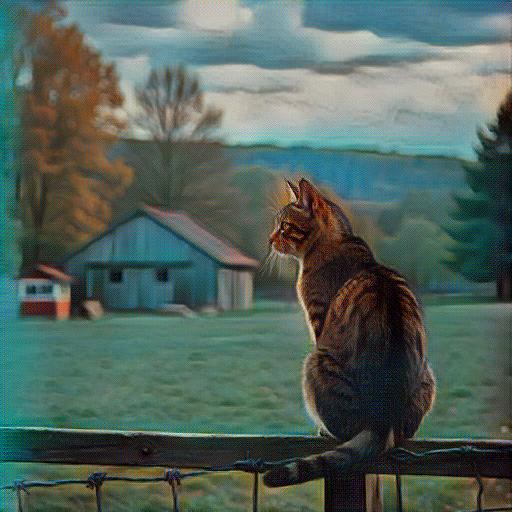 Landscape photograph transformed into anime-inspired Ukiyo-e style -- Powered by ArtRobot AI
Quick Links -- Jump to: What is Scenery Anime? | Top Styles Ranked | Before & After Gallery | How to Create | FAQ | Related Guides
What is Scenery Anime?
Scenery anime refers to the transformation of landscape and nature photographs into anime-inspired artwork using artificial intelligence. Unlike generic photo filters that simply shift hue or boost saturation, neural style transfer (NST) operates at the structural level of an image. The algorithm extracts the gram matrix -- a mathematical fingerprint of artistic patterns -- from a reference painting and applies those visual patterns to your photograph while preserving its original composition, depth, and subject matter.
The anime styles available through ArtRobot trace their artistic lineage directly to Ukiyo-e, the Japanese woodblock print tradition that flourished during the Edo period (1603--1868). This is the same tradition that directly shaped the visual language of modern anime: flat color planes, bold outlines, stylized natural forms, and a graphic sensibility that prioritizes compositional impact over photographic realism. When you apply these styles to scenery photography, the results tap into centuries of artistic heritage.
"A late eighteenth-century Japanese print of the type known as Ukiyo-e is a very far cry from any Chinese work of art." -- History of Art, p. 520
What makes scenery particularly well-suited to anime-style transfer is the alignment between landscape composition and Ukiyo-e's spatial logic. Landscapes naturally feature layered planes -- foreground, middle ground, sky -- that mirror the compositional structure of traditional woodblock prints. Research in neural style transfer confirms that low-frequency content like rolling hills, cloud formations, and water surfaces exhibits high data compatibility with anime-family styles, because these elements share a "low-rank" gram matrix structure that allows the style's broad color distributions to integrate cleanly.
Why Scenery Anime Differs from Text-to-Image AI
Most AI art generators create images from text descriptions. Scenery anime style transfer does something fundamentally different: it starts with your actual photograph. The mountain you hiked, the beach you visited, the garden outside your window -- the composition, lighting, and unique atmosphere of your image are preserved, but every visual element is reimagined through the lens of genuine Japanese artistic tradition. Every style reference in ArtRobot comes from museum collections -- Hokusai's iconic wave compositions, his nature studies, the broader Ukiyo-e canon -- all CC0 / Public Domain artworks from the Art Institute of Chicago.
Top Styles for Scenery Anime (ArtFID Ranked)
ArtFID (Art Frechet Inception Distance) measures style transfer quality by balancing content preservation (LPIPS -- does the result still look like your photo?) against style authenticity (FID -- does it genuinely resemble the target art style?). The formula: ArtFID = (1 + LPIPS) x (1 + FID). Lower scores mean better quality.
We evaluated 2 anime-family styles across all 15 photo categories. Here are the landscape-specific results alongside overall performance:
| Rank | Style / Artist | Landscape ArtFID | Mean ArtFID (All Types) | Best Content Type | Best Score | CV |
|---|---|---|---|---|---|---|
| 1 | Ukiyo-e | 207.12 | 228.52 | Fantasy | 69.27 | 0.311 |
| 2 | Katsushika Hokusai | 213.55 | 209.11 | Fantasy | 81.57 | 0.354 |
Key findings:
For scenery anime specifically, Ukiyo-e narrowly beats Hokusai on landscapes (207.12 vs. 213.55). This makes intuitive sense: the generic Ukiyo-e style reference captures the broader woodblock print tradition's treatment of natural scenery -- layered mountain compositions, stylized water patterns, and atmospheric color gradients that align perfectly with landscape photography.
However, Hokusai wins on overall versatility across all content types (mean ArtFID 209.11 vs. 228.52). If you plan to transform a mix of scenery and other subjects, Hokusai is the safer default choice. For pure landscape work, Ukiyo-e has the edge.
Detailed Content Type Comparison
| Content Type | Ukiyo-e ArtFID | Hokusai ArtFID | Winner | Relevance to Scenery |
|---|---|---|---|---|
| Fantasy | 69.27 | 81.57 | Ukiyo-e | Mythical landscapes |
| Flowers | 109.11 | 99.91 | Hokusai | Garden scenery |
| Architecture | 196.29 | 129.92 | Hokusai | Urban scenery |
| Interiors | 165.72 | 242.81 | Ukiyo-e | Indoor scenes |
| Landscapes | 207.12 | 213.55 | Ukiyo-e | Core scenery |
| Travel | 224.39 | 155.48 | Hokusai | Travel scenery |
| Seascapes | 253.85 | 258.98 | Ukiyo-e | Coastal scenery |
| Night Scenes | 222.30 | 218.69 | Hokusai | Evening scenery |
For scenery anime that spans multiple sub-genres -- from mountain vistas to urban streetscapes to coastal views -- both styles have strong niches. Ukiyo-e excels at natural landscapes and fantasy scenes with defined spatial layers, while Hokusai's bold compositional approach handles architectural and travel scenery with more dynamic results.
Before & After: Scenery Anime Examples
Every result below was generated automatically by ArtRobot's anime AI engine -- no manual editing. Style references are museum-sourced CC0 artworks.
Ukiyo-e Landscapes
 |
|
| Original Landscape Photo | Ukiyo-e Scenery Anime Result (ArtFID: 207.12) |
The Ukiyo-e treatment converts natural gradients into graphic color blocks with bold outlines -- the hallmark of both traditional woodblock prints and modern anime backgrounds. Notice how the sky transitions from smooth photographic gradients to flattened color planes, exactly the aesthetic that defines Studio Ghibli-style backgrounds.
Ukiyo-e Architecture
 |
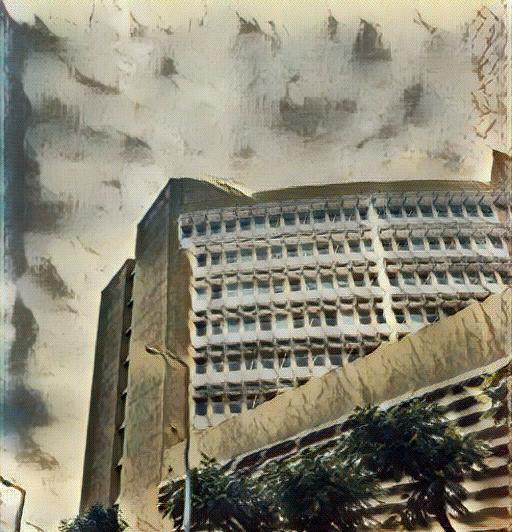 |
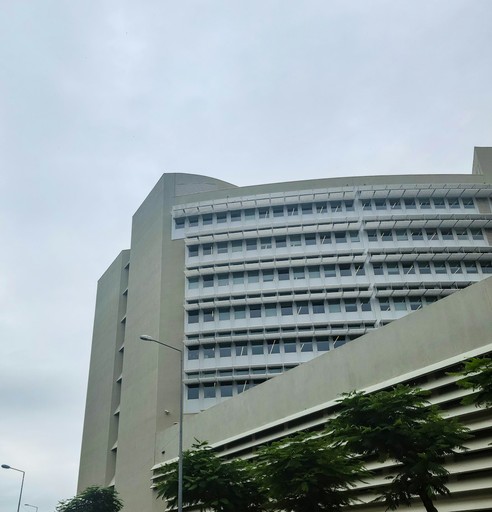
| Original Architecture Photo | Ukiyo-e Architecture Result (ArtFID: 196.29) |
Architectural scenery thrives under anime-style transformation. The geometric lines of buildings align naturally with Ukiyo-e's structural outlines, producing clean, poster-worthy results that feel like establishing shots from an anime film.
Ukiyo-e Food
 |
 |
| Original Food Photo | Ukiyo-e Food Result (ArtFID: 223.43) |
Even still-life subjects benefit from the scenery anime treatment. The flat color rendering and bold outlines transform everyday food photography into something that resembles the detailed background art in slice-of-life anime series.
Hokusai Landscapes
 |
 |
| Original Landscape Photo | Hokusai Scenery Anime Result (ArtFID: 213.55) |
Hokusai's signature dynamic composition adds energy to landscape scenery. His bold framing approach -- the same compositional genius behind The Great Wave off Kanagawa -- introduces dramatic diagonals and striking contrast that make scenery anime feel alive with movement. Hokusai changed his name over 30 times throughout his career, and created The Great Wave at age 70, claiming he only began to truly understand art at 73.
How to Create Scenery Anime with ArtRobot (3 Steps)
Step 1: Upload Your Scenery Photo
Go to ArtRobot and upload any landscape or scenery photograph -- mountain vistas, cityscapes, gardens, beaches, forests. No account required. Supported formats: JPG, PNG, WebP. Maximum resolution: 4096px for 4K premium output. For best scenery anime results, choose photos with clear spatial layers (foreground elements, a defined middle ground, and visible sky).
Step 2: Choose Your Anime Style
Browse the style library and select from anime-family styles: - Ukiyo-e -- Best for natural landscapes, fantasy scenes, and coastal views (Landscape ArtFID: 207.12) - Katsushika Hokusai -- Best for architectural scenery, travel photography, and flower gardens (Mean ArtFID: 209.11)
Each style shows a preview thumbnail and ArtFID quality rating. For pure scenery anime, Ukiyo-e is the optimal choice.
Step 3: Download Your Result
Your scenery anime transfer completes in seconds. Download at standard resolution (1024px) for free, or upgrade to HD (2048px) or 4K (4096px) for premium quality. The higher resolutions are particularly worthwhile for scenery -- landscape compositions reveal more detail at larger sizes, making them ideal for wallpapers and prints.
3 free transfers, no signup required. Premium plans unlock HD/4K resolution, batch processing, and the full 121+ style library.
Try Scenery Anime Style Transfer Free on ArtRobot
FAQ
How do I create Scenery Anime with ArtRobot?
Upload your landscape or scenery photo to ArtRobot, choose an anime-family style (Ukiyo-e for natural landscapes or Hokusai for architectural scenery), and download your result. The entire process takes seconds. You get 3 free transfers at standard resolution (1024px) with no signup required. The AI uses neural style transfer to apply museum-quality Japanese art references to your photograph, preserving your original composition while reimagining every visual element in the anime aesthetic.
What art style works best for Scenery Anime?
Based on our ArtFID testing, Ukiyo-e scores best for landscape scenery (ArtFID: 207.12) thanks to its natural affinity for layered natural compositions. Katsushika Hokusai (landscape ArtFID: 213.55) is a close second and excels on architectural and travel scenery. Both styles achieve their absolute best scores on fantasy content -- Ukiyo-e hits 69.27 and Hokusai reaches 81.57 -- making fantastical landscapes the sweet spot for scenery anime.
Is it free to create Scenery Anime online?
Yes. ArtRobot offers 3 free scenery anime transfers at standard resolution (1024px) with no signup, no watermark, and no account required. Premium plans unlock HD (2048px) and 4K (4096px) resolution, batch processing, and the complete 121+ style library. All style references are CC0 / Public Domain museum art from the Art Institute of Chicago.
What photo resolution works best for Scenery Anime?
Standard resolution (1024px) is available free and produces good results for social media sharing. HD (2048px) is recommended for phone wallpapers and detailed prints. 4K (4096px) is ideal for desktop wallpapers and large-format printing. Scenery photographs particularly benefit from higher resolution because landscape compositions contain fine details -- distant trees, cloud textures, water reflections -- that are better preserved during style transfer at larger sizes.
Can I use my Scenery Anime results commercially?
Personal use is free with the standard plan. Commercial use is available with premium plans. All style references used by ArtRobot are CC0 / Public Domain artworks from museum collections, meaning there are no copyright concerns on the artistic style side. Your output is uniquely generated from your input photograph.
Explore Related Guides
Scenery anime is part of a broader ecosystem of Japanese-inspired and landscape-focused digital art. Explore these related collections to find your perfect look:
- Anime Art Style -- The complete hub page covering all anime-family styles, history, and techniques.
- Katsushika Hokusai Style Transfer -- Deep dive into Hokusai's techniques and how they translate to AI art.
- Ukiyo-e Style Transfer -- Explore the woodblock print tradition that defined anime's visual language.
- Turn a Photo into Anime Style -- Step-by-step guide for the most popular anime AI use case.
- Fauvism vs Expressionism Style Transfer -- Compare two bold, color-driven art movements for landscape work.
- Impressionism vs Expressionism Style Transfer -- Discover how Western landscape traditions compare to anime aesthetics.
Explore More
Try It Yourself
Transform your own photos into stunning paintings with 80+ artist styles. Free to start.