
AI Artist & Tech Enthusiast
Neoclassicism Photo Effect — AI Style Transfer Guide (2026)

Neoclassicism looked backward to move forward. In the mid-18th century, as archaeological discoveries at Pompeii and Herculaneum revealed the buried grandeur of the ancient world, European artists rejected the frivolous ornament of Rococo in favor of something sterner, nobler, and more disciplined. Clean lines replaced sinuous curves. Balanced compositions replaced asymmetrical whimsy. Idealized forms replaced playful naturalism. The result was an art of moral seriousness and visual clarity -- one that channeled ancient Greek and Roman ideals through the hands of Ingres, David, Canova, and their contemporaries.
Today, neural style transfer lets you apply Neoclassicism's visual discipline to any photograph. Upload your image to ArtRobot, and the algorithm will transform it with the clean contours, balanced tonality, and idealized surface quality that defined the movement. Our ArtFID testing confirms that Neoclassicism is a consistently strong performer -- achieving 5-star results across portraits, architecture, landscapes, and flowers, with portraits (198.38 ArtFID) as its single best content type.
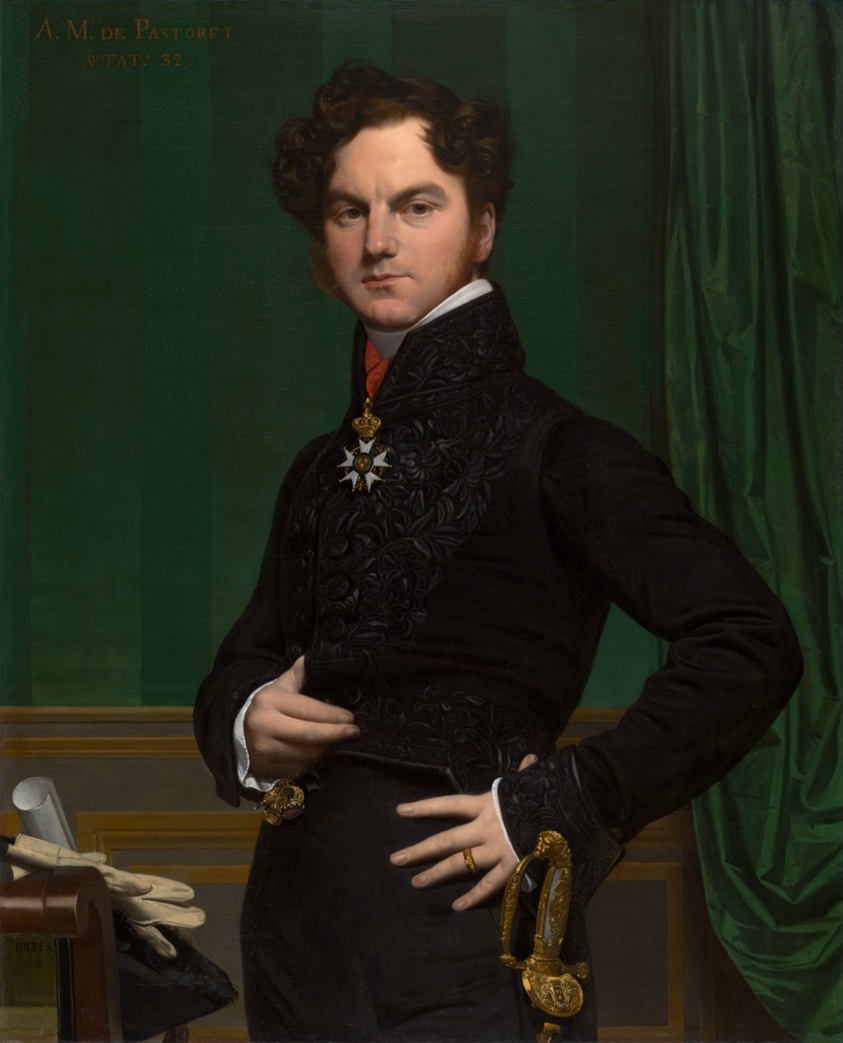 Jean-Auguste-Dominique Ingres, "Amedee-David, The Comte de Pastoret" -- Art Institute of Chicago, Museum Open Access. View original
This guide covers Neoclassicism's history, its key artists, ArtFID-tested results across all photo categories, real before-and-after examples, and a step-by-step walkthrough for creating your own neoclassicism photo effect.
Quick Links -- Jump to: What is Neoclassicism? | Key Characteristics | Key Artists | ArtFID Scores | Before & After | How to Apply | FAQ | Related Styles
Landscapes — Van Gogh Style Transfer

Portraits — Van Gogh Style Transfer


Architecture — Van Gogh Style Transfer


Street Scenes — Van Gogh Style Transfer


Night Scenes — Van Gogh Style Transfer


Flowers — Van Gogh Style Transfer


Animals — Van Gogh Style Transfer


Seascapes — Van Gogh Style Transfer


What is Neoclassicism?
Neoclassicism emerged in the 1750s as both an artistic movement and a philosophical stance. The excavations at Pompeii (begun 1748) and Herculaneum (begun 1738) gave artists direct access to ancient Roman painting, sculpture, and architecture for the first time. Johann Joachim Winckelmann, the German art historian, distilled the ancient aesthetic into a famous phrase: "noble simplicity and quiet grandeur." This became the movement's manifesto.
The Neoclassical revolution was, at its core, a reaction against Rococo -- the dominant style of the early 18th century. Where Rococo favored pastel palettes, curvilinear forms, asymmetrical composition, and subjects drawn from aristocratic leisure, Neoclassicism demanded:
- Moral seriousness -- Subjects drawn from ancient history, mythology, and civic virtue
- Visual clarity -- Clean, legible compositions with clearly defined forms
- Idealized beauty -- The human body and architectural form perfected according to classical proportions
- Restrained color -- Earth tones, muted palettes, and sculptural modeling that emphasized form over chromatic display
The movement reached its political apex during the French Revolution and Napoleonic era, when Jacques-Louis David's paintings of Roman civic virtue became propaganda for republican ideals. David's Oath of the Horatii (1784) and The Death of Marat (1793) fused Neoclassical aesthetics with revolutionary politics, demonstrating that artistic style could carry ideological weight.
Neoclassicism was not a brief fashion. It dominated European art, architecture, and design from roughly 1750 to 1850 -- a full century of cultural influence that shaped everything from the U.S. Capitol building to Wedgwood pottery to the ballet aesthetic that persists today. Its visual principles -- symmetry, proportion, clarity, idealization -- remain the foundational grammar of Western visual culture.
Neoclassicism Key Characteristics
Five visual principles define Neoclassicism and translate distinctly through neural style transfer:
1. Clean Contour Lines. Neoclassical artists prioritized drawing over color. Ingres declared that "drawing is the probity of art" -- meaning that clean, precise contour was the foundation of all visual truth. In style transfer, this manifests as sharply defined edges and a reduction of textural noise. The algorithm clarifies your photograph's forms, creating outputs with a sculptural precision that photographs rarely achieve.
2. Balanced Composition. Neoclassical works are organized around central axes, symmetrical arrangements, and geometric balance. The algorithm captures this compositional logic through the gram matrix, tending to redistribute visual weight toward stability and order -- even when the source photograph is casually composed.
3. Sculptural Modeling. Neoclassical painting emulated the three-dimensionality of Greek and Roman sculpture. Forms are modeled with smooth tonal gradients that suggest marble or bronze surfaces. In style transfer, skin becomes porcelain, fabric becomes drapery, and surfaces acquire a material solidity that elevates the photographic into the monumental.
4. Muted, Earth-Toned Palette. The Neoclassical palette draws from ancient sources: the faded pigments of Pompeian frescoes, the warm tones of terracotta, the cool grays of marble. The algorithm shifts your photograph's colors toward this restrained range, replacing contemporary brightness with historical gravitas.
5. Idealized Forms. Neoclassicism did not depict reality -- it improved upon it. Bodies were perfected according to classical proportions. Architecture was regularized. Nature was composed into arcadian arrangements. While neural style transfer cannot restructure anatomy, it captures the surface quality of idealization: smoothed textures, regularized edges, and an overall sense of formal perfection.
These characteristics create a gram matrix profile that is moderate in frequency -- neither the high-frequency fragmentation of Cubism nor the low-frequency color fields of Color Field painting. The result is style transfer that is transformative but legible, artistic but recognizable.
Key Neoclassicism Artists
Jean-Auguste-Dominique Ingres (1780--1867)
Ingres was Neoclassicism's supreme draftsman. His portraits -- of Napoleon, of Turkish bathers, of Parisian society -- combine almost photographic precision with an idealization that makes every subject look like a classical sculpture given life. His contour lines are among the most celebrated in art history: sinuous, confident, and apparently effortless.
For style transfer, Ingres provides the movement's most refined gram matrix. His emphasis on smooth surface, precise contour, and sculptural modeling translates into outputs that feel like classical paintings made from your photographs. ArtRobot includes three Ingres references from the Art Institute of Chicago: Amedee-David, The Comte de Pastoret, Charles-Francois Mallet, and Charles X in His Coronation Robes.
Jacques-Louis David (1748--1825)
David was Neoclassicism's political artist. His paintings married classical form to revolutionary content, creating images of such moral force that they shaped public opinion. The Death of Socrates, The Oath of the Horatii, and Napoleon Crossing the Alps are among the most reproduced images in Western art.
David's style is bolder and more dramatic than Ingres's -- sharper contrasts, more theatrical lighting, stronger compositional geometry. His gram matrix produces style transfer results with greater tonal drama and compositional assertiveness.
Antonio Canova (1757--1822)
Though primarily a sculptor, Canova's aesthetic profoundly influenced Neoclassical painting. His smooth marble surfaces, idealized anatomy, and graceful poses established the visual standard that painters like Ingres and David worked to match on canvas. Canova's influence explains why Neoclassical paintings so often look like painted sculptures -- the sculptural ideal permeated the entire movement.
Style Transfer Quality by Photo Type (ArtFID Tested)
We tested ArtRobot's Neoclassicism style transfer across photo categories using ArtFID (Art Frechet Inception Distance), which combines:
- LPIPS (Learned Perceptual Image Patch Similarity): content preservation. Lower = better.
- FID (Frechet Inception Distance): style fidelity to authentic Neoclassical paintings. Lower = more faithful.
Combined formula: ArtFID = (1 + LPIPS) x (1 + FID)
| Photo Category | ArtFID | Stars | Notes |
|---|---|---|---|
| Portraits | 198.38 | 5 | Best category -- Neoclassicism's natural strength |
| Architecture | 230.28 | 5 | Classical forms amplified by Neoclassical clarity |
| Landscapes | 243.97 | 5 | Arcadian quality; balanced, composed environments |
| Flowers | 268.75 | 5 | Botanical precision meets classical refinement |
| Animals | 342.14 | 4 | Respectable results; less genre alignment |
Key takeaway: Neoclassicism is a portrait-first style. This aligns perfectly with art history -- Ingres built his career on portraiture, David's most famous works are figure paintings, and the movement's obsession with idealized human form made portraiture its primary domain. The 198.38 ArtFID on portraits places Neoclassicism among the top-performing styles for this category.
Architecture ranks second (230.28), reflecting Neoclassicism's deep connection to classical architectural forms. The movement emerged alongside a revival of Greek and Roman architecture, and Neoclassical painters frequently depicted buildings that followed the same proportional systems as their compositions. When the algorithm applies Neoclassical style to architecture photos, it amplifies the classical qualities that many buildings already possess -- columns become more monumental, facades become more symmetrical, and surfaces acquire the stone-like materiality of ancient construction.
Landscapes (243.97) and flowers (268.75) both achieve 5-star results, confirming Neoclassicism's versatility. Animals (342.14) drop to 4 stars -- still a recommended combination, but reflecting the lower genre alignment between Neoclassical painting and animal subjects. The movement's artists depicted animals occasionally (David's horses, for instance), but animals were never a primary focus.
Before & After Examples
Every row shows the original photograph alongside the AI-generated Neoclassical result.
Portraits -- 5 stars (ArtFID 198.38)
Portraiture is Neoclassicism's strongest category. The algorithm transforms photographic portraits into images that evoke Ingres's precise draftsmanship and David's compositional authority.
| Original Photo | Style Reference | AI Result |
|---|---|---|
 |
|
 |
| Source photo | Ingres - Comte de Pastoret | ArtFID: 198.38 -- 5 stars |
The portrait transformation is striking in its subtlety. Unlike more aggressive styles that shatter or abstract the subject, Neoclassicism refines it. Skin textures smooth toward porcelain clarity. Contours sharpen into the decisive lines Ingres prized. The color palette shifts toward the muted, warm-toned range of classical painting. The subject looks like themselves -- but idealized, elevated, rendered as if they sat for a master portrait painter in 19th-century Paris.
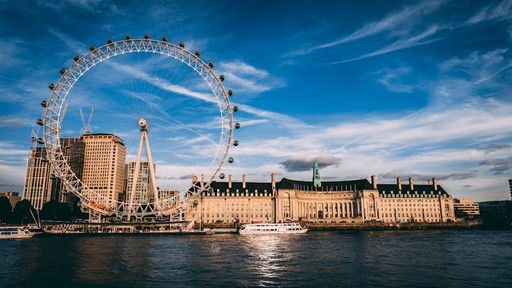
Architecture -- 5 stars (ArtFID 230.28)
Architecture's inherent geometry and structural clarity align naturally with Neoclassical visual principles.
| Original Photo | Style Reference | AI Result |
|---|---|---|
 |
 |
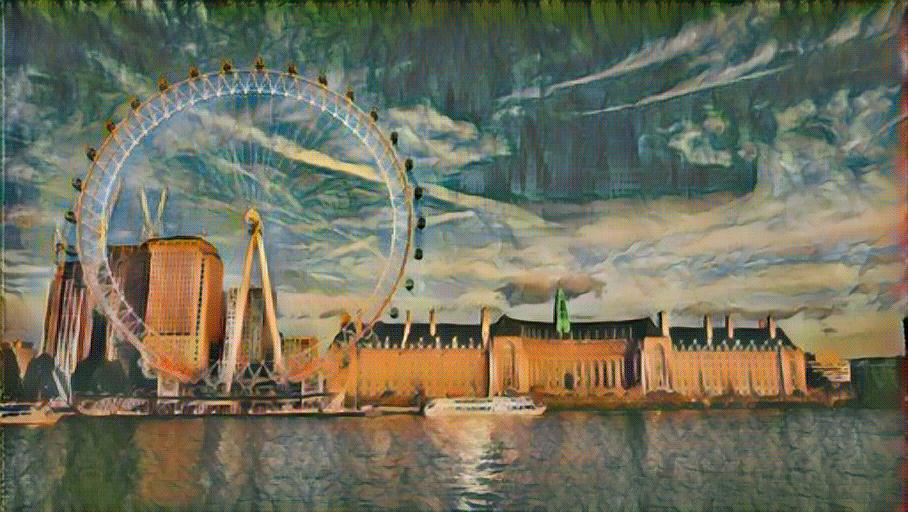 |
| Source photo | Ingres - Charles X | ArtFID: 230.28 -- 5 stars |
The architectural transformation emphasizes structure and surface. Modern materials acquire the weight and permanence of stone. The color palette warms toward the terracotta and marble tones of classical architecture. Lines become cleaner, proportions feel more deliberate, and the overall image gains a sense of historical gravitas -- as if the building has stood for centuries rather than decades.
Landscapes -- 5 stars (ArtFID 243.97)
Neoclassical landscapes channel the arcadian tradition -- nature organized, composed, and idealized.
| Original Photo | Style Reference | AI Result |
|---|---|---|
 |
 |
 |
| Source photo | Ingres - Charles-Francois Mallet | ArtFID: 243.97 -- 5 stars |
The landscape transformation is poetic. Wild nature softens into composed scenery -- the kind of idealized countryside that Poussin and Claude Lorrain established as the Western landscape ideal two centuries before Neoclassicism formalized it. The color palette warms, atmospheric perspective deepens, and the scene acquires the timeless serenity of a classical pastoral.
Photography Tips for Best Neoclassicism Results
To maximize the quality of your neoclassicism style transfer results, consider these shooting guidelines:
1. Prioritize Portraits. Neoclassicism's strongest category is portraiture (198.38 ArtFID). Head-and-shoulder compositions, three-quarter views, and formal poses translate most naturally into Neoclassical style. The algorithm excels at transforming photographic skin, hair, and fabric into the idealized surfaces of classical painting.
2. Use Directional Lighting. Neoclassical painting uses clear, directional light to model form -- think of a single light source illuminating a marble bust. Photographs with similar lighting (window light, studio key light, golden hour sunlight) give the algorithm the tonal structure it needs to create convincing sculptural modeling.
3. Choose Clean Compositions. Neoclassicism values clarity and balance. Compositions with clear focal points, uncluttered backgrounds, and deliberate spatial arrangement translate most effectively. Avoid busy, chaotic scenes that resist Neoclassical order.
4. Include Classical Elements. Buildings with columns, arches, or geometric facades; subjects in draped clothing; still life arrangements of classical objects (books, instruments, flowers) -- these elements already speak Neoclassicism's visual language and amplify the style transfer effect.
5. Shoot High Resolution. Neoclassicism's precision demands detail. Upload images at 1024px or higher to give the algorithm enough tonal information to create the smooth, sculptural modeling characteristic of the style. Low-resolution images produce results that feel muddy rather than polished.
How to Apply Neoclassicism Style (3 Steps)
Step 1: Choose Your Photo
Upload any photograph to ArtRobot. Based on our ArtFID testing, portraits, architecture, and landscapes deliver the strongest Neoclassical results. Formal compositions with clear subjects and good lighting produce the most convincing classical transformations.
Step 2: Select Neoclassicism Style
Choose Neoclassicism from the style library. ArtRobot's references include Ingres portraits from the Art Institute of Chicago -- all CC0 / Public Domain. The algorithm extracts the gram matrix capturing Neoclassicism's clean contours, sculptural modeling, and muted palette, then applies it to your photograph. Each style displays its ArtFID quality rating for comparison.
Step 3: Download Your Classical Portrait
ArtRobot generates your neoclassicism photo effect in seconds. Download in multiple resolutions -- from social media to print-ready 4K. A Neoclassical portrait or landscape makes elegant wall art, sophisticated profile images, or distinguished gifts.
3 free transfers, no signup required. Premium unlocks HD (2048px) and 4K (4096px), batch processing, and the complete 121+ style library.
Try Neoclassicism Style Transfer Free on ArtRobot ->
FAQ
What is Neoclassicism art style?
Neoclassicism emerged in the mid-18th century as a revival of ancient Greek and Roman artistic ideals. Inspired by archaeological discoveries at Pompeii and Herculaneum, artists like Ingres, David, and Canova rejected the decorative excess of Rococo in favor of clean lines, balanced composition, idealized forms, and moral seriousness. The movement dominated European art from roughly 1750 to 1850 and remains foundational to Western visual culture.
Which photos look best with Neoclassicism style transfer?
Based on ArtFID testing: portraits (198.38, 5 stars) produce the strongest results, followed by architecture (230.28, 5 stars), landscapes (243.97, 5 stars), and flowers (268.75, 5 stars). Portraits are the optimal choice because Neoclassicism was fundamentally a figure-centered movement -- Ingres and David built their careers on portraiture. Architecture is the second-best option, reflecting the movement's deep connection to classical building forms.
How does Neoclassicism compare to Renaissance for style transfer?
Both styles emphasize draftsmanship, balanced composition, and idealized beauty. Renaissance style transfer produces results that feel warmer and more atmospheric -- think Leonardo's sfumato and Raphael's golden light. Neoclassicism produces results that are cooler, more precise, and more sculptural -- think Ingres's porcelain skin and David's dramatic clarity. Choose Renaissance for warmth; choose Neoclassicism for precision.
Can I use Neoclassicism style transfer for commercial projects?
Yes. The Neoclassical style is a historical art movement and is not copyrightable. All style references used by ArtRobot are sourced from the Art Institute of Chicago under Museum Open Access / CC0 license. Your stylized results can be used for personal and commercial projects. Premium plans unlock the highest resolutions for professional applications.
What is the difference between Neoclassicism and Baroque?
Baroque is dramatic, emotional, and dynamic -- think Caravaggio's extreme chiaroscuro and Rubens's turbulent compositions. Neoclassicism is restrained, rational, and balanced -- a deliberate reaction against Baroque excess (and the Rococo that followed it). In style transfer terms, Baroque produces high-contrast, dramatically lit outputs. Neoclassicism produces clean, sculptural outputs with more even illumination and precise contours.
Is Neoclassicism good for portrait photography?
Neoclassicism is one of the best style choices for portrait photography. Its 198.38 ArtFID score on portraits places it among the top-performing styles for this category. The transformation smooths skin toward porcelain clarity, sharpens contours, and shifts the palette toward classical warmth -- creating portraits that feel like they were painted by a 19th-century master. Formal poses, directional lighting, and clean backgrounds produce the strongest results.
Ready to Create Your Own Neoclassical Masterpiece?
Portraits and architecture transform most powerfully under Neoclassicism's disciplined aesthetic -- but with 5-star results across four categories, almost any well-composed photograph becomes a convincing classical composition.
Start Your Free Neoclassicism Style Transfer on ArtRobot ->
Related Styles
- Renaissance Style Transfer -- Neoclassicism's spiritual ancestor. Warmer, more atmospheric, with Leonardo's sfumato and Raphael's golden light.
- Baroque Style Transfer -- The dramatic counterpoint to Neoclassicism. Extreme chiaroscuro, dynamic composition, emotional intensity.
- Da Vinci Art Style -- The ultimate Renaissance master. Sfumato, anatomical precision, and timeless portraiture.
- Impressionism Style Transfer -- The movement that eventually overthrew Neoclassicism. Light-filled, atmospheric, and spontaneous where Neoclassicism is precise.
- Ingres Style Transfer -- Neoclassicism's supreme draftsman. Artist-specific results with the finest contour work in art history.
Try It Yourself
Transform your own photos into stunning paintings with 80+ artist styles. Free to start.