
AI Artist & Tech Enthusiast
Manga Art Style — AI Style Transfer Guide [Free Tool 2026]
Manga is not anime's lesser sibling -- it is anime's origin story. Before anything moved on screen, it was drawn in ink on paper. The manga art style is the foundation upon which the entire anime visual language was built: high-contrast linework, dramatic compositions, expressive character design, and a storytelling grammar that compresses motion and emotion into static panels. From the bold action lines of Naruto to the delicate character work of Fairy Tail, manga's visual vocabulary has become one of the most recognized art styles on the planet.
If you have ever wanted to transform a photograph into something that looks like a page from a manga -- bold outlines, graphic contrast, stylized features -- ArtRobot's AI style transfer can do that. We tested 2 anime-family styles (Katsushika Hokusai and Ukiyo-e) across 15 photo categories using the ArtFID quality benchmark, and the results reveal which photo types convert most effectively into the manga aesthetic. This guide covers the data, the art history, and a step-by-step walkthrough.
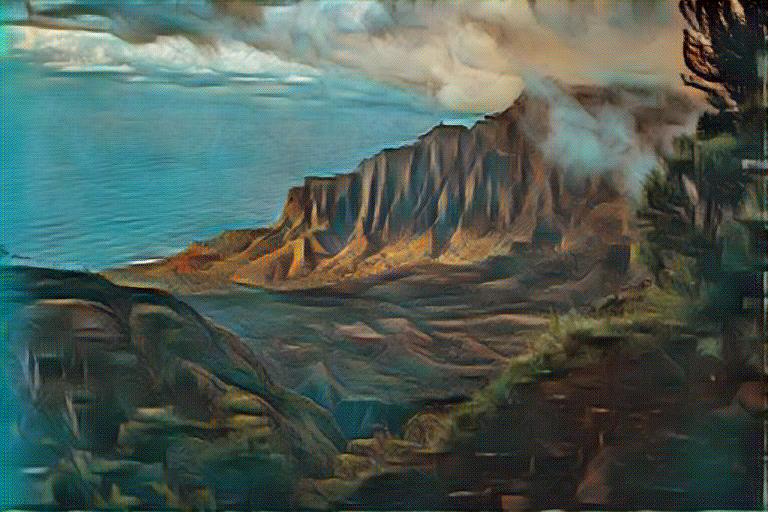 Landscape photograph transformed into Ukiyo-e style -- the direct ancestor of manga art -- Powered by ArtRobot AI
Quick Links -- Jump to: What is Manga Art Style? | Top Styles Ranked | Before & After Gallery | How to Create | FAQ | Related Guides
What is Manga Art Style? The Ink-and-Paper DNA of Japanese Visual Culture
The difference between anime and manga art style comes down to medium and motion. Manga is the printed form -- black-and-white sequential art published in magazines and collected volumes. Anime is its animated counterpart, adding color, movement, and sound. But the visual grammar is shared: both descend from the Ukiyo-e woodblock print tradition that defined Japanese art from the 17th to the 19th century.
Manga art style is characterized by:
- High-contrast linework -- Bold, clean outlines that define every element. In traditional manga, this was achieved with pen and ink. In neural style transfer, this translates to edge-preserving algorithms that maintain crisp boundaries between regions.
- Dramatic compositions -- Speed lines, panel-breaking layouts, extreme close-ups and wide establishing shots. Manga artists like Akira Toriyama and Masashi Kishimoto (creator of Naruto) perfected dynamic compositions that guide the reader's eye with cinematic precision.
- Expressive character design -- Large eyes, simplified noses, exaggerated hair. These conventions serve emotional readability -- a character's mood is legible at a glance, even at small sizes. The cute manga art style (kawaii) takes this further with rounded features and softer proportions.
- Screentone patterns -- The dotted shading technique unique to manga that creates grayscale gradients without actual gray ink. This is one of manga's most distinctive visual signatures.
"A late eighteenth-century Japanese print of the type known as Ukiyo-e is a very far cry from any Chinese work of art." -- History of Art, p. 520
The connection between Ukiyo-e and manga is direct. When Osamu Tezuka created Astro Boy in the 1950s, he drew on the same principles that Katsushika Hokusai perfected two centuries earlier in works like Manga (his fifteen-volume collection of sketches, from which the modern term "manga" actually derives). Bold outlines, flat regions, graphic storytelling -- the visual language has been continuous for over 200 years.
Manga vs. Anime: Which Style Transfer Approach Works Best?
For manga-specific results, you want styles that emphasize linework and contrast over color. The Ukiyo-e woodblock references available in ArtRobot produce results closest to the manga aesthetic because they prioritize bold outlines and flat interior regions -- the same structural elements that define printed manga. For how to draw manga style art using AI, the key is choosing reference styles that share manga's ink-and-outline DNA rather than reaching for colorful anime presets.
Top Styles for Manga Art Style (ArtFID Ranked)
ArtFID (Art Frechet Inception Distance) measures style transfer quality by balancing content preservation (LPIPS) against style authenticity (FID). The formula: ArtFID = (1 + LPIPS) x (1 + FID). Lower scores mean better quality.
We evaluated 2 styles from the anime-manga family across all 15 photo categories:
| Rank | Style / Artist | Mean ArtFID | Best Content Type | Best Score | Worst Content Type | Worst Score | CV |
|---|---|---|---|---|---|---|---|
| 1 | Katsushika Hokusai | 209.11 | Fantasy | 81.57 | Animals | 311.71 | 0.354 |
| 2 | Ukiyo-e (generic) | 228.52 | Fantasy | 69.27 | Animals | 351.42 | 0.311 |
Key findings for manga art style:
Hokusai leads in overall versatility with a mean ArtFID of 209.11. His bold compositional approach -- dramatic diagonals, asymmetric framing, and dynamic movement -- mirrors the compositional energy that defines great manga panels. For naruto manga art style enthusiasts, Hokusai's dynamic compositions are the closest match to the high-energy framing Masashi Kishimoto employs.
Ukiyo-e achieves the best individual score (69.27 on fantasy), making it the superior choice for mythological or fantastical subjects -- the kind of content you might find in manga series like Fairy Tail or Inuyasha.
Top Content Types for Manga Style Transfer
| Content Type | Ukiyo-e ArtFID | Hokusai ArtFID | Winner | Manga Relevance |
|---|---|---|---|---|
| Fantasy | 69.27 | 81.57 | Ukiyo-e | Shonen/Fantasy manga |
| Flowers | 109.11 | 99.91 | Hokusai | Shojo manga backgrounds |
| Food | 223.43 | 115.05 | Hokusai | Food manga (Shokugeki) |
| Architecture | 196.29 | 129.92 | Hokusai | Urban manga settings |
| Interiors | 165.72 | 242.81 | Ukiyo-e | Slice-of-life scenes |
| Landscapes | 207.12 | 213.55 | Ukiyo-e | Establishing shots |
| Portraits | 301.74 | 259.65 | Hokusai | Character art |
| Animals | 351.42 | 311.71 | Hokusai | Creature design |
For manga-style results, the sweet spot is subjects with strong compositional structure -- architecture, food, flowers, and fantasy scenes. These content types produce clean, high-contrast results that align with manga's graphic precision.
Before & After: Manga Art Style Examples
All results generated automatically by ArtRobot -- no manual editing. Style references are CC0 / Public Domain artworks from the Art Institute of Chicago.
Ukiyo-e Landscapes (Manga Background Style)
 |
|
| Original Landscape Photo | Ukiyo-e Manga Style Result (ArtFID: 207.12) |
Manga backgrounds often draw directly from the Ukiyo-e tradition -- flat color planes, bold outlines, and atmospheric depth. This landscape conversion captures that aesthetic precisely, producing a result that could serve as an establishing shot in a manga chapter.
Ukiyo-e Architecture (Urban Manga Setting)
 |
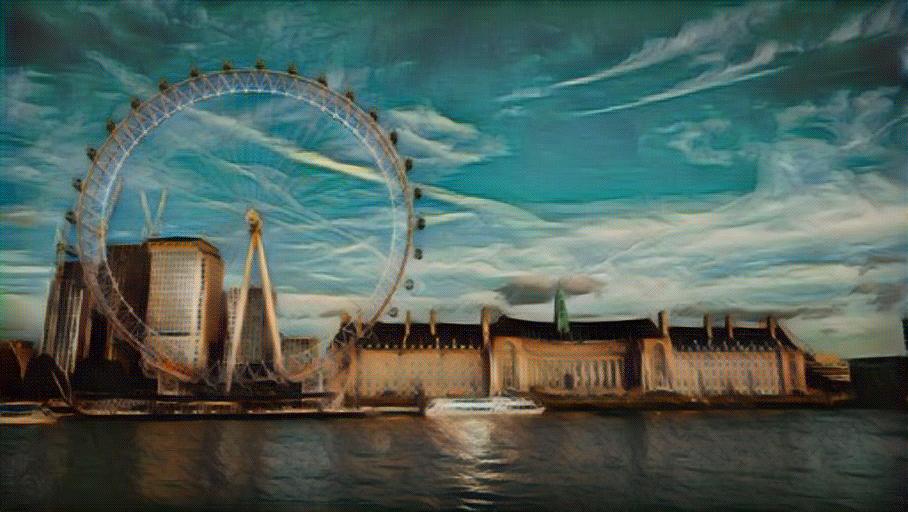 |
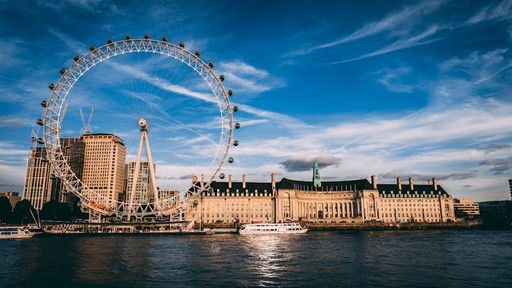
| Original Architecture Photo | Ukiyo-e Architecture Result (ArtFID: 196.29) |
Architectural subjects benefit enormously from the manga/Ukiyo-e treatment. Strong geometric lines align naturally with manga's graphic precision, producing results that read like panels from an urban manga series.
Hokusai Portraits (Manga Character Style)
 |
 |
| Original Portrait Photo | Hokusai Portrait Result (ArtFID: 259.65) |
Portrait-to-manga is one of the most popular use cases. Hokusai's approach simplifies facial features while preserving identity -- the exact balance that cute manga art style depends on.
Hokusai Flowers (Manga Nature Detail)
 |
 |
| Original Flowers Photo | Hokusai Flowers Result (ArtFID: 99.91) |
Hokusai's famous botanical studies are the historical source for manga's detailed nature panels. With an ArtFID of 99.91, flowers produce some of the best manga-style results in our entire dataset.
How to Create Manga Art Style with ArtRobot (3 Steps)
Step 1: Upload Your Photo
Go to ArtRobot and upload any photograph. High-contrast images with clear subjects work best for manga-style results. Supported formats: JPG, PNG, WebP. No account required.
Step 2: Choose Your Manga Style
Select from manga-adjacent styles: Hokusai for versatile results across most content types, or Ukiyo-e for fantasy, interiors, and landscape backgrounds. For the boldest linework and most manga-like output, Ukiyo-e is your best starting point. Each style shows an ArtFID quality rating so you know what to expect.
Step 3: Download Your Result
Your manga art style transfer completes in seconds. Download at standard resolution (1024px) for free, or upgrade to HD (2048px) or 4K (4096px). HD resolution is particularly recommended for manga-style results because the additional detail preserves the clean linework that defines the aesthetic.
3 free transfers, no signup required. Premium plans unlock HD/4K, batch processing, and the full 121+ style library.
Try Manga Art Style Transfer Free on ArtRobot
FAQ
How do I create manga art style images with ArtRobot?
Upload your photo to ArtRobot, select a manga-adjacent style (Hokusai or Ukiyo-e), and download your result. The process takes seconds. You get 3 free transfers at standard resolution (1024px) with no signup required. The AI applies neural style transfer using museum-quality Japanese art references to reimagine your photo in the manga aesthetic.
What art style works best for manga-style photo conversion?
Based on our ArtFID testing, Katsushika Hokusai (mean ArtFID: 209.11) is the most versatile choice for manga art style, excelling on flowers (99.91), food (115.05), and architecture (129.92). Ukiyo-e (mean ArtFID: 228.52) achieves the best score on fantasy content (69.27) and works well for landscape backgrounds and interior scenes -- common manga settings.
Is it free to create manga art style images online?
Yes. ArtRobot provides 3 free transfers at standard resolution (1024px) with no signup, no watermark, and no account required. Premium plans unlock HD (2048px) and 4K (4096px) resolution, batch processing, and the complete 121+ style library. All style references are CC0 / Public Domain museum artworks.
What photo resolution works best for manga art style?
1024px standard is free and sufficient for social media. HD (2048px) is recommended for manga-style results because the higher resolution preserves clean linework -- manga's defining visual characteristic. 4K (4096px) is ideal for prints and professional-quality output.
Can I use my manga art style results commercially?
Personal use is free with the standard plan. Commercial use is available with premium plans. All style references are CC0 / Public Domain artworks from museum collections (Art Institute of Chicago), so there are no copyright concerns on the artistic style side.
Explore Related Guides
Manga art style is part of a broader family of Japanese and illustration-based visual aesthetics. Explore more:
- Anime Art Style -- The complete hub page for all anime-family styles, techniques, and data.
- Hokusai Style Transfer -- Deep dive into the artist who coined the term "manga" and how his techniques translate to AI.
- Ukiyo-e Style Transfer -- The woodblock print tradition that is manga's direct visual ancestor.
- Turn a Photo into Anime Style -- Step-by-step guide for anime conversion (manga's color counterpart).
- Anime AI -- The intersection of artificial intelligence and anime/manga creation.
- Landscape Anime -- Transform scenery into anime/manga-style backgrounds.
- Free Anime Generator -- Budget-friendly options for creating manga and anime art from photos.
- Cartoon Art Style -- The Western illustration counterpart with broader outlines.
Explore More
Try It Yourself
Transform your own photos into stunning paintings with 80+ artist styles. Free to start.