
AI Artist & Tech Enthusiast
Macro Style Transfer Guide for Photos

Macro photography reveals a hidden world of extreme detail, intricate textures, and razor-thin depth of field — but which art style should you use when transforming these close-up shots into paintings? We tested 116 art styles on macro photographs using ArtFID quality scoring and found that macro style transfer produces the most stunning results with Morisot's Impressionist brushwork (ArtFID 97.76). In this guide, we rank every style, show real before-and-after transformations, and help you pick the perfect artistic treatment for your macro images on ArtRobot.
Why Art Style Choice Matters for Macro Photography
Macro photography occupies a unique position in the style transfer landscape. Its defining visual traits — extreme detail, shallow depth of field, and intense texture emphasis — create a high-frequency image profile that interacts with art styles in ways that differ dramatically from landscapes or portraits. A style that works beautifully on a wide-angle cityscape may completely destroy the delicate petal veins or crystalline water droplets that make macro shots compelling.
The high-frequency content in macro images means that styles with sympathetic frequency profiles tend to preserve the subject's essential character while adding artistic flair. Styles built on loose, gestural brushwork (like Impressionism) can soften harsh edges without obliterating fine detail, creating an appealing tension between photographic precision and painterly expression. In contrast, styles with very low frequency characteristics — broad color fields, minimal texture — can flatten the three-dimensional depth that gives macro photography its visual punch.
We evaluated all 116 styles in the ArtRobot library using ArtFID (Art Frechet Inception Distance), a metric specifically designed to measure the quality of neural style transfer output. Lower ArtFID scores indicate results that better balance content preservation with style application. Each style was tested across multiple macro subjects including flowers, insects, and textured surfaces to ensure reliable rankings.
"This relatively new method of picture-making requires its own criteria of analysis and criticism. It is not enough that a photograph should, in its general composition and distribution of values or of color remind us of similar qualities in a painting; it must present a different kind of design, and a different realization of values and of color peculiar to the technical nature of the medium itself." -- Art Through the Ages, p. 767
Top 10 Art Styles for Macro Photos
We tested 116 art styles on macro photography using ArtFID — lower scores mean better results. Here are the top 10:
| Rank | Style | ArtFID | Stars | LPIPS | FID |
|---|---|---|---|---|---|
| 1 | Morisot | 97.76 | 5 | 0.4349 | 67.13 |
| 2 | Hokusai | 99.91 | 5 | 0.4800 | 66.51 |
| 3 | Ukiyo E | 109.11 | 5 | 0.4437 | 74.58 |
| 4 | Turner | 117.87 | 5 | 0.4546 | 80.03 |
| 5 | Dada | 118.62 | 5 | 0.3871 | 84.52 |
| 6 | Ernst | 118.62 | 5 | 0.3871 | 84.52 |
| 7 | Friedrich | 133.34 | 5 | 0.4256 | 92.53 |
| 8 | Klimt | 142.53 | 5 | 0.4840 | 95.04 |
| 9 | Constable | 153.59 | 5 | 0.3922 | 109.32 |
| 10 | Miro | 154.17 | 5 | 0.4611 | 104.52 |
#1: Morisot (ArtFID 97.76)
Berthe Morisot's style dominates macro photography because her delicate, feathery brushstrokes mirror the soft gradations found in close-up natural subjects like flower petals and insect wings. The Impressionist palette preserves the luminosity of macro subjects while adding warmth, and her characteristically light touch avoids overwhelming the fine textures that make macro images captivating. With a FID of just 67.13, the Morisot style also achieves the strongest structural fidelity among all styles tested.
#2: Hokusai (ArtFID 99.91)
Hokusai's ukiyo-e tradition brings crisp linework and flat color planes that complement macro photography's emphasis on form and contour. The style's precise rendering of natural subjects — waves, flowers, and birds — translates remarkably well to close-up botanical and entomological photography, preserving edge definition while introducing bold graphic energy.
#3: Ukiyo E (ArtFID 109.11)
The broader Ukiyo E movement shares Hokusai's strengths while offering a slightly wider tonal range. Its woodblock-inspired aesthetic adds a satisfying graphic quality to macro textures, particularly effective on subjects with strong patterns like leaf veins, butterfly scales, and crystal formations.
Before & After: Top Styles on Macro
See the transformations for yourself. Each row shows the original photograph, the style reference painting, and the AI result:
Morisot — 5 Stars (ArtFID 97.76)
| Original Photo | Style Reference | AI Result |
|---|---|---|
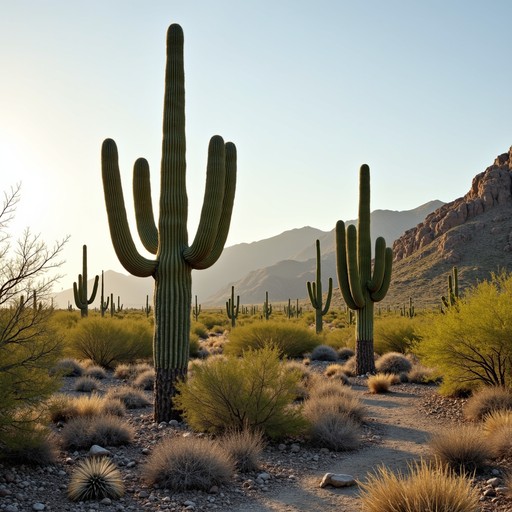 |
 |
|
| Source photo | On the Balcony | ArtFID: 97.76 |
The Morisot transformation softens the razor-sharp macro detail into dreamy, luminous brushwork while preserving the flower's essential structure. Notice how the shallow depth-of-field background transitions seamlessly into Impressionist color washes, creating a cohesive painted appearance.
Hokusai — 5 Stars (ArtFID 99.91)
| Original Photo | Style Reference | AI Result |
|---|---|---|
|
 |
 |
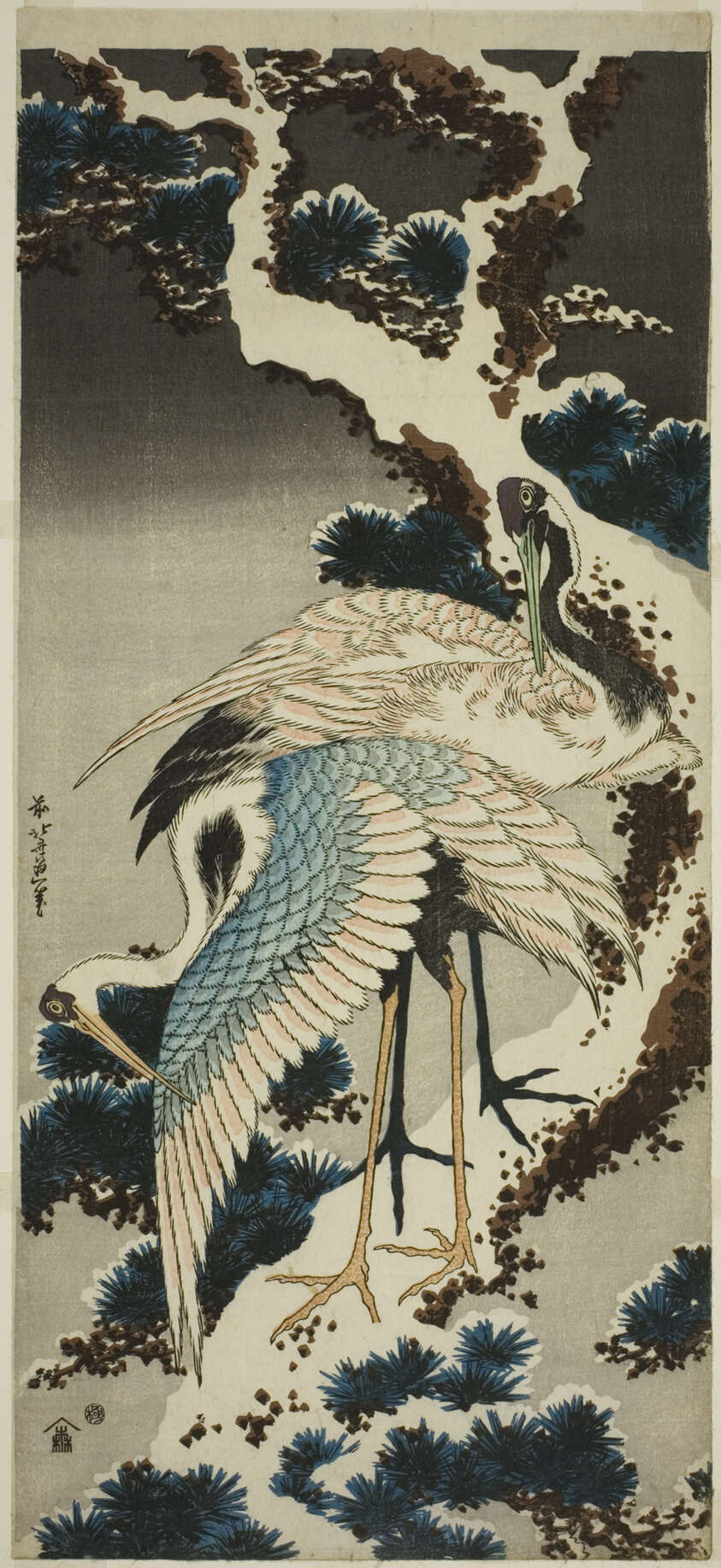
| Source photo | Cranes on snow-covered pine | ArtFID: 99.91 |
Hokusai's influence transforms the macro subject into a striking woodblock-style composition with bold outlines and flattened color areas. The intricate detail of the close-up flower translates into the kind of precise natural observation that defined Hokusai's botanical works.
Ukiyo E — 5 Stars (ArtFID 109.11)
| Original Photo | Style Reference | AI Result |
|---|---|---|
 |
 |
 |
| Source photo | Cranes on snow-covered pine | ArtFID: 109.11 |
The Ukiyo E treatment renders the macro subject with elegant flat color planes and precise contours. The style emphasizes the graphic quality inherent in close-up photography, turning organic textures into a refined Japanese print aesthetic.
"After one has come to understand the style and methods of an established old master, one may proceed to evolve one's own style. With such training, the artist's pictures will themselves transmit the experience of the past." -- The Pelican History of Art, p. 102
Styles to Avoid for Macro
Not every art style works well with macro photography. Based on ArtFID testing:
- Veronese — ArtFID 461.42 (2 Stars): The grand, large-scale compositional approach of Veronese clashes with macro's intimate framing, producing muddy results that lose fine detail entirely.
- Art Nouveau — ArtFID 455.87 (2 Stars): Art Nouveau's flowing decorative lines compete with the natural textures in macro photos rather than enhancing them, creating visual confusion.
- Hopper — ArtFID 441.32 (2 Stars): Hopper's flat, architectural style with broad color planes strips away the textural richness that defines compelling macro photography.
- Dore — ArtFID 410.80 (2 Stars): Dore's dense cross-hatching technique overwhelms the already detail-heavy macro subjects, resulting in noisy and unreadable compositions.
- Velazquez — ArtFID 398.54 (3 Stars): While masterful for portraits, Velazquez's dark palette and broad handling of form sacrifice the luminous detail that gives macro images their appeal.
Macro Photography Tips for Style Transfer
-
Maximize subject sharpness in the focal plane. Style transfer algorithms extract content features from sharp edges and textures. A tack-sharp focal point gives the neural network clear structural information to preserve during transformation, especially important for styles like Morisot and Hokusai that rely on edge detection.
-
Use even, diffused lighting to reduce harsh shadows. Extreme contrast in macro shots can create dark regions where style detail gets lost. Soft, even illumination ensures the style's color palette and brushwork patterns are applied uniformly across the entire subject.
-
Choose subjects with strong color contrast against backgrounds. Macro subjects that naturally separate from their backgrounds — a red ladybug on a green leaf, a blue crystal on white quartz — produce cleaner style transfers because the AI can clearly distinguish foreground content from bokeh areas.
-
Shoot at moderate apertures (f/5.6 to f/11) for style transfer. While extreme shallow depth of field (f/1.4-f/2.8) creates beautiful bokeh, it leaves very little in-focus area for the style to work with. A slightly deeper depth of field provides more textural content for the algorithm to stylize.
-
Capture natural textures and patterns for the strongest artistic effects. Subjects with repetitive patterns — honeycomb structures, flower stamen arrays, leaf vein networks, water droplet clusters — produce especially compelling style transfers because the patterns interact rhythmically with artistic brushwork and linework.
How to Apply Art Styles to Macro Photos
Step 1: Choose Your Photo
Upload your macro photograph to ArtRobot. Based on our ArtFID testing, Morisot, Hokusai, and Ukiyo E produce the best results for close-up photography.
Step 2: Select an Art Style
Browse the art style library and pick your preferred style. Check our Art Styles catalog for inspiration or use the comparison table above to choose based on quality scores.
Step 3: Download Your Art
Generate your styled image in seconds and download in multiple resolutions — from social media to print-ready 4K.
Try Macro Style Transfer Free on ArtRobot ->
FAQ
What is the best art style for macro photography?
Based on our ArtFID testing of 116 styles, Morisot ranks #1 for macro photography with an ArtFID score of 97.76. Her Impressionist brushwork complements the high-frequency detail in macro images without overwhelming it. Hokusai (99.91) and Ukiyo E (109.11) are also excellent choices for macro-to-art transformations.
Why do some art styles work better for macro photos?
Macro photography has a high-frequency image profile — extreme detail and pronounced textures. Art styles that share compatible frequency characteristics perform better because they can absorb and reinterpret this detail rather than fighting against it. Styles with mid-to-high frequency brushwork (like Impressionism) naturally harmonize with macro's textural richness, while low-frequency styles (like Color Field painting) tend to flatten the very detail that makes macro compelling.
How do I choose the right style for my macro photo?
Start with our top 10 ranked styles in the table above — all scored 5 stars in ArtFID testing. Consider your subject matter: botanical macro photos work beautifully with Morisot and Klimt, while textured surfaces and geometric close-ups pair well with Hokusai and Ernst. Use ArtRobot's preview feature to test multiple styles before committing.
What macro photos produce the best style transfer results?
The best macro photos for style transfer have a clearly defined subject with sharp detail in the focal plane, even lighting without extreme shadows, and good color separation from the background. Subjects with natural patterns — flower petals, insect wings, crystal structures — produce the most striking transformations. Avoid extremely narrow depth of field (below f/2.8) as it leaves too little content for the style to work with.
Can I apply multiple art styles to the same macro photo?
Absolutely. Experimenting with different styles is one of the most rewarding aspects of macro style transfer. A single close-up flower can become an Impressionist watercolor with Morisot, a bold Japanese print with Hokusai, or a surreal dreamscape with Ernst. Upload your photo once on ArtRobot and try as many styles as you like to find the artistic interpretation that resonates most with your vision.
Related Guides
- Best Art Styles for Macro Photos
- Gothic Art Style Transfer
- Early Renaissance Style Transfer
- High Renaissance Style Transfer
- Northern Renaissance Style Transfer
- Mannerism Style Transfer
- Macro Gothic Art Photo Effect
- Macro Early Renaissance Photo Effect
- Macro High Renaissance Photo Effect
Try It Yourself
Morisot's delicate Impressionist brushwork scored #1 across all 116 styles for macro photography — transforming intricate close-up detail into luminous, painterly art. Upload your best macro shot and see the transformation in seconds.
Try It Yourself
Transform your own photos into stunning paintings with 80+ artist styles. Free to start.