
AI Artist & Tech Enthusiast
Horse Watercolor Art: AI-Powered Watercolor Effect
Horses and watercolor share a fundamental quality: movement. Watercolor is the fastest, most spontaneous painting medium -- pigment flows across wet paper with an urgency that mirrors the kinetic energy of a galloping horse. The medium's wet-into-wet technique produces soft, bleeding edges that capture the blur of flying mane and tail, the dust cloud behind pounding hooves, the muscular tension of a body built entirely for speed. When a watercolor painter renders a horse in full stride, the paint itself seems to move. With AI-powered neural style transfer, you can transform any horse photograph into a watercolor painting in seconds, capturing the dynamic energy and fluid grace that has made the horse one of art's most enduring subjects.
This guide covers the best watercolor-adjacent art styles for horse photography, real before-and-after examples, and a step-by-step walkthrough for creating your own horse watercolor art on ArtRobot.
 A horse photograph transformed into watercolor-style art using ArtRobot AI -- flowing washes, muscular definition, and dynamic movement
What Makes Watercolor Perfect for Horse Art
The visual properties of horses -- their musculature, their movement, their relationship with landscape -- align perfectly with watercolor's strengths:
- Muscular form through tonal wash -- A horse's body is defined by powerful, visible muscle groups that create continuous tonal gradations across the surface. Watercolor excels at these smooth, flowing transitions. A single graded wash can model the rounded haunch of a Thoroughbred or the thick neck of a draft horse, transitioning from deep shadow to bright highlight without a single hard edge.
- Mane and tail as wet-into-wet calligraphy -- The flowing hair of a horse's mane and tail is watercolor's natural territory. Wet pigment dropped into a damp wash spreads and splits organically, producing the same trailing, wind-blown effect as real horsehair in motion. No other medium captures this dynamic quality so naturally.
- Speed and gesture through spontaneity -- Watercolor rewards speed. The medium dries quickly, forcing the artist to work in bold, confident strokes rather than careful, slow rendering. This enforced spontaneity is perfect for capturing the essential gesture of a moving horse -- the forward lean of a gallop, the coiled tension before a jump, the relaxed swing of a walking stride.
- Landscape integration -- Horses exist in landscapes -- meadows, deserts, beaches, mountain trails. Watercolor is the supreme landscape medium, and a horse watercolor that includes its environment benefits from the medium's atmospheric perspective: the horse sharp and saturated in the foreground, the landscape fading into soft, pale washes behind.
Horse watercolor art connects to one of painting's oldest traditions. The cave paintings at Lascaux (c. 17,000 BCE) are dominated by horses rendered with astonishing fluidity -- the prehistoric artists used mineral pigments dissolved in water, making them arguably the first watercolorists. In Chinese painting, horse watercolor reached its zenith with Han Kan (8th century) and Zhao Mengfu (1254-1322), whose horse paintings on silk used ink-wash techniques that anticipate Western watercolor by centuries. The scroll painting "Five Horses" exemplifies the Chinese tradition of capturing the horse's spirit (qi) through fluid, calligraphic brushwork. In the West, the tradition continued through George Stubbs, Edgar Degas, and Sir Alfred Munnings, each bringing watercolor's spontaneity to equine subjects.
Best Art Styles for Horse Watercolor Art
We tested 116 art styles on animal photography using the ArtFID quality metric. The styles below produce the most watercolor-like results on horse subjects -- fluid washes, dynamic brushwork, and preserved anatomical detail. Lower ArtFID means better quality.
| Rank | Art Style | ArtFID | Why It Works for Horse Watercolor |
|---|---|---|---|
| 1 | Romanticism | 166.26 | Heroic energy, warm golden light, muscular drama |
| 2 | Symbolism | 168.69 | Mythic quality, deep color, emotional resonance |
| 3 | Impressionism | 211.37 | Degas' equestrian legacy, spontaneous movement capture |
| 4 | Post-Impressionism | ~192 | Bold color, expressive form, energetic brushwork |
| 5 | Art Nouveau | ~204 | Flowing organic lines, decorative movement patterns |
Romanticism leads at ArtFID 166.26 because the Romantic movement venerated the horse as a symbol of power, freedom, and untamed nature. Delacroix, Gericault, and Stubbs painted horses with passionate intensity -- rearing, galloping, muscles straining against storm-darkened skies. When neural style transfer applies Romanticism to your horse photo, it infuses the image with that same heroic energy: warm golden light models the musculature, the background becomes atmospheric and dramatic, and the horse gains a presence that transcends mere documentation.
Impressionism at ArtFID 211.37 brings a uniquely relevant artistic tradition to horse watercolor. Edgar Degas was obsessed with horses -- his racecourse paintings and pastels are among the greatest equestrian art ever produced. Degas understood how to capture the specific moment of movement: the jockey's forward lean, the horse's gathered stride, the blur of speed. The Impressionism style translates this legacy into your horse photo, adding loose, spontaneous brushwork and the characteristic Impressionist emphasis on capturing a fleeting instant.
Before & After: Horse Watercolor Art Examples
See how ArtRobot transforms real horse and animal photographs into watercolor-style art.
Romanticism Style -- Heroic Watercolor
| Original Photo | Horse Watercolor Art |
|---|---|
 |
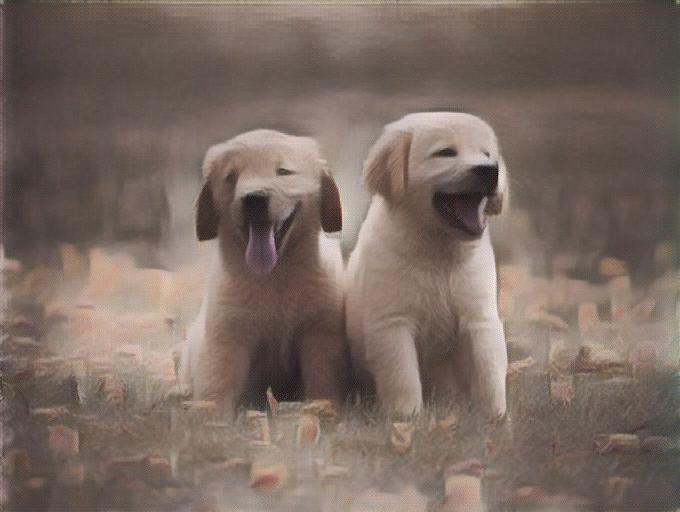 |
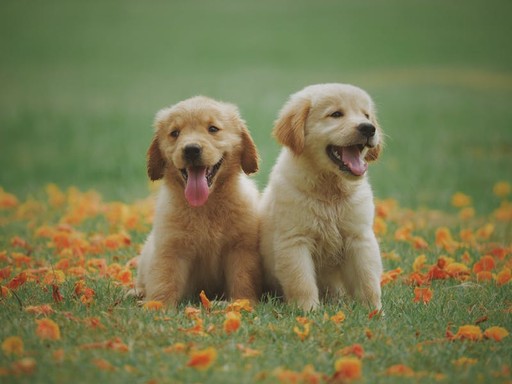
| Original photograph | Romanticism watercolor effect -- ArtFID 166.26 |
The Romanticism style transforms the horse photograph into a warm, dramatic watercolor with heroic presence. Muscular form is modeled through rich tonal washes that flow from deep shadow to golden highlight. The mane gains a wind-blown, calligraphic quality -- individual strands dissolving into soft, wet-into-wet edges that suggest movement even in a still image. The background dissolves into atmospheric haze, isolating the horse against golden warmth and focusing attention entirely on the animal's form.
Impressionism Style -- Degas-Inspired Watercolor
| Original Photo | Horse Watercolor Art |
|---|---|
 |
 |
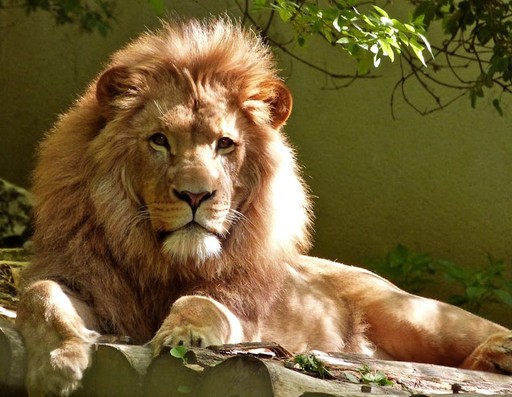
| Original photograph | Impressionism watercolor effect -- ArtFID 211.37 |
Impressionism adds the loose, spontaneous quality of a watercolor sketch captured at the racetrack or in the field. The brushwork is visible and energetic, suggesting the speed and confidence of an artist working quickly to capture a moving subject. Colors are fresh and light-filled, with the characteristic Impressionist emphasis on the specific quality of outdoor light. The result feels like a plein air watercolor by a confident equestrian artist -- technically accomplished but never overworked.
How to Create Horse Watercolor Art with ArtRobot (3 Steps)
Step 1: Upload Your Horse Photo
Go to ArtRobot and upload your horse photograph. For the best watercolor effect, choose a photo with: - Side or three-quarter angle -- this shows the full contour of the horse's body, allowing the AI to render muscular form through tonal washes. Straight-on shots flatten the three-dimensional form that makes horse watercolors compelling. - Movement or tension -- a horse mid-stride, tossing its head, or even standing alert with ears pricked forward gives the watercolor energy. Static, relaxed poses work too but produce a quieter, portrait-style result. - Outdoor lighting -- natural, directional light (early morning or late afternoon) reveals muscle definition and creates the warm tonal range that watercolor styles amplify. Indoor arena lighting tends to be flat.
Step 2: Select a Watercolor-Friendly Art Style
Browse the style library and choose a style from our recommended list above. Romanticism produces the most dramatic, heroic watercolor -- warm, powerful, and emotionally resonant. For racehorse or dressage subjects, try Impressionism -- it carries the legacy of Degas' equestrian art. Symbolism adds a mythic, dreamlike quality that suits horses photographed in dramatic landscapes or fog.
Step 3: Download Your Horse Watercolor Art
Generate your result in seconds and download in multiple resolutions: - 1024px (free) -- perfect for social media sharing - 2048px HD (premium) -- ideal for framed prints up to 8x10" - 4096px 4K (premium) -- gallery-quality large canvas prints
No signup required for your first 3 free transfers.
Create Your Horse Watercolor Art Free on ArtRobot ->
Horse Subjects That Shine in Watercolor
Different equestrian contexts produce distinctly different watercolor results:
Racing and polo. Action shots of horses at full gallop produce the most dynamic watercolor transformations. The Impressionism style captures the blur of speed and the jockey's silhouette in a way that evokes Degas' racecourse pastels. Mane and tail become streaming calligraphic lines across the composition.
Dressage and show jumping. The controlled, collected movements of dressage -- passage, piaffe, extended trot -- produce elegant, powerful watercolors. The precise body position translates into clean tonal modeling, and the formal arena setting provides a simple background that lets the watercolor wash effect focus entirely on the horse.
Wild and free-roaming horses. Mustangs, Camargue horses, or Icelandic ponies photographed in their natural landscapes produce the most atmospheric watercolor results. The Romanticism style excels here, integrating horse and landscape into a unified vision of natural power and beauty.
Portrait close-ups. Tight crops focusing on the horse's head -- especially the eye, muzzle, and forelock -- produce intimate watercolor portraits. The AI preserves the liquid depth of the horse's eye while softening the surrounding muzzle and forelock into gentle washes, creating a focal-point effect that traditional watercolorists work hard to achieve.
Tips for the Best Horse Watercolor Results
-
Capture the eye. Like all animal watercolor art, the eye is the emotional anchor. Ensure your horse photo has at least one sharp, well-lit eye with a visible reflection. The AI preserves eye detail while softening everything else, creating the characteristic focal-point hierarchy of traditional watercolor portraiture.
-
Include mane movement. A windblown mane is watercolor gold. The flowing hair translates into beautiful wet-into-wet calligraphy that adds dynamic energy to the entire composition. Even a slight breeze or head toss makes a dramatic difference.
-
Use Romanticism for dark horses. Bays, blacks, and dark chestnuts respond beautifully to Romanticism's warm tonal palette. The style reveals hidden warmth within dark coats -- deep mahogany, burnt sienna, and chocolate tones that the camera often renders as flat black.
-
Use Impressionism for greys and palominos. Light-colored horses benefit from Impressionism's emphasis on reflected light and color variation. A grey horse in Impressionism style reveals lavender, blue, and pink within what appears as uniform grey -- the same color sensitivity that Monet brought to his Rouen Cathedral series.
-
Try landscape-orientation crops. Horizontal compositions that include the horse's full body within its environment produce the most complete, balanced watercolor compositions -- especially for galloping or free-roaming subjects.
FAQ
How do I turn my horse photo into watercolor art?
Upload your horse photo at artrobot.ai/product, choose a watercolor-friendly style like Romanticism or Impressionism, and download your result in seconds. 3 free transfers, no signup required.
What art style works best for horse watercolor art?
Romanticism (ArtFID 166.26) produces the most dramatic, heroic watercolor effect for horses -- powerful tonal depth, warm golden light, and atmospheric backgrounds. Impressionism (ArtFID 211.37) carries Degas' equestrian legacy with loose, spontaneous brushwork perfect for capturing movement. Both are top-rated for animal subjects.
Is it free to create horse watercolor art online?
Yes. ArtRobot offers 3 free style transfers at 1024px resolution with no account required. Premium plans unlock HD (2048px) and 4K (4096px) for print-quality watercolor art.
What horse photo works best for watercolor conversion?
Side-angle shots with visible muscle definition, outdoor natural lighting, and some movement (windblown mane, mid-stride pose) produce the most striking watercolor results. Ensure at least one eye is sharp and well-lit for the best focal-point effect.
Can I create watercolor art from horse racing photos?
Absolutely. Action shots of horses at full gallop produce some of the most dynamic watercolor results. The Impressionism style is particularly suited to racing subjects, capturing speed, motion blur, and the jockey's silhouette with the same energy that Degas brought to his racecourse paintings.
Related Guides
- Horse Impressionism Art -- Impressionist style transfer for horse photography
- Horse Oil Painting Art -- Oil painting effect for equestrian subjects
- Best Art Styles for Animals -- All 116 styles ranked for animal photography
- Romanticism Style Transfer -- The top-ranked atmospheric style
- Dog Watercolor Art -- Watercolor guide for dog photography
Try It Yourself
Romanticism and Impressionism produce the most compelling watercolor effects on horse photography -- but the best way to find your favorite is to experiment. Upload your horse photo and see the transformation.
Try It Yourself
Transform your own photos into stunning paintings with 80+ artist styles. Free to start.