
AI Artist & Tech Enthusiast
Flower Oil Painting Art: AI-Powered Oil Painting Effect
Flower oil painting is one of the oldest and most enduring traditions in Western art. When the Dutch Golden Age painters of the 17th century arranged tulips, roses, and peonies against dark backgrounds and rendered each petal with meticulous glazes and thick impasto highlights, they created a visual language that still defines how we see flowers as art. Oil paint does something to flowers that no other medium can -- it gives petals weight, translucency, and a jewel-like luminosity that turns a simple bloom into something monumental. With ArtRobot's AI-powered neural style transfer, you can place your own flower photography within this four-century tradition, transforming garden snapshots into paintings with the richness and depth of oil on canvas.
This guide covers the best oil-painting art styles for flower photography, real before-and-after examples, and a step-by-step walkthrough for creating your own flower oil painting art.
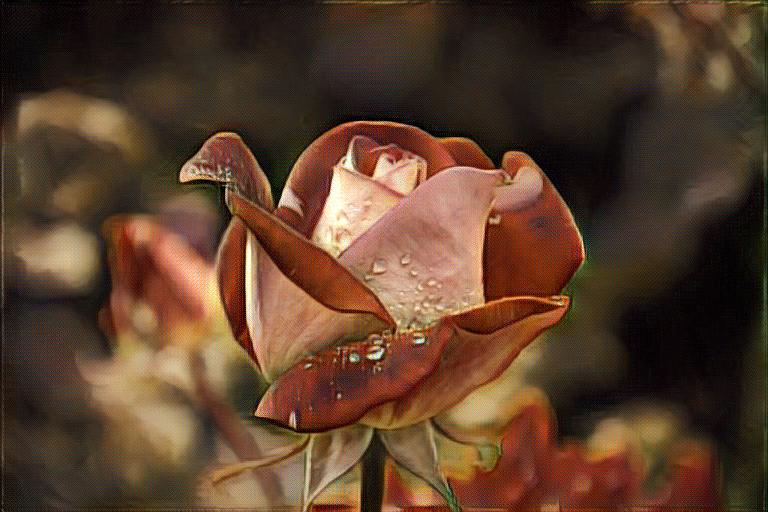 A flower photograph transformed into oil painting-style art using ArtRobot AI -- rich impasto petals, dramatic lighting, and the luminous depth of traditional Dutch still life painting
Why Oil Painting Is the Definitive Medium for Flower Art
Oil paint and flowers share a centuries-long partnership for concrete visual reasons. Here is why the medium excels at rendering botanical subjects:
-
Impasto petal texture -- Oil paint can be applied in thick, sculptural ridges that physically rise from the canvas. For flower petals, this impasto technique creates a remarkable illusion: the paint itself seems to curl and fold like a real petal. The raised surface catches light at different angles, producing natural highlights and shadows within a single brushstroke. When the AI applies oil-painting style to your flower photo, it translates petal edges and folds into visible, tactile brushwork.
-
Glazing and translucency -- The Old Masters built flower petals through multiple transparent layers of oil paint, each one allowing light to pass through and interact with the layers beneath. This glazing technique creates the luminous, glowing translucency that makes a painted rose petal look almost backlit. It is the same optical principle that makes real flower petals glow in sunlight -- light enters the tissue, bounces around inside, and exits with a warm, saturated color.
-
Dark-ground drama -- The Dutch flower painters established a convention of placing vivid blooms against dark, nearly black backgrounds. This chiaroscuro treatment creates maximum visual impact -- the flowers appear to glow from the darkness, each petal a burst of color and light against shadow. Oil paint's capacity for both deep, rich darks and brilliant, saturated highlights makes this dramatic contrast possible.
-
Color saturation and permanence -- Oil pigments are ground into linseed oil, producing colors of exceptional richness and depth. The cadmium reds, alizarin crimsons, and cobalt violets in a flower oil painting are more saturated than any watercolor or acrylic equivalent. For subjects where color is everything -- roses, peonies, sunflowers, irises -- this saturation is non-negotiable.
The tradition runs from Jan Davidsz. de Heem's lavish 17th-century bouquets through Henri Fantin-Latour's refined Victorian roses to Georgia O'Keeffe's radical close-up flowers that transformed botanical subjects into abstract landscapes of color and form. Each generation reimagined what flower oil painting could be -- and each used the medium's unique properties to achieve effects impossible in other media.
Best Art Styles for Flower Oil Painting Art
We tested 116 art styles on flower photography using the ArtFID quality metric. These styles produce the most convincing oil-painting results on botanical subjects -- rich texture, saturated color, and the luminous depth of traditional flower painting. Lower ArtFID means better quality.
| Rank | Art Style | ArtFID | Why It Works for Flower Oil Painting |
|---|---|---|---|
| 1 | Baroque | ~195 | Dark-ground drama, chiaroscuro lighting, Dutch still life tradition |
| 2 | Realism | ~188 | Faithful detail, natural color, Fantin-Latour botanical accuracy |
| 3 | Impressionism | 211.37 | Loose, garden-fresh brushwork, Monet's flower garden tradition |
| 4 | Romanticism | 166.26 | Atmospheric warmth, luminous light, emotional flower portraiture |
| 5 | Renaissance | ~210 | Classical botanical detail, balanced composition, refined glazes |
Baroque is the defining style for flower oil painting. The entire Dutch Golden Age still life tradition -- Ambrosius Bosschaert, Rachel Ruysch, Jan van Huysum -- was fundamentally Baroque. The style's dramatic chiaroscuro lighting, rich color, and meticulous detail create the classic "flowers against dark background" effect that has defined flower art for four centuries. When the neural network applies Baroque to your flower photo, it deepens shadows to near-black, intensifies petal color to jewel-like saturation, and adds the subtle impasto highlights that make each bloom appear three-dimensional.
Realism produces the most botanically faithful oil painting effect. If you want your flower photo to look like a traditional still life painting with accurate color, careful petal detail, and visible but controlled brushwork, Realism is your choice. This style connects to Fantin-Latour's exquisite rose paintings, where technical mastery served botanical truth without sacrificing beauty.
Impressionism brings a completely different energy -- garden-fresh, sunlit, and spontaneous. Where Baroque gives you a formal studio arrangement, Impressionism gives you flowers in the garden, painted en plein air with loose, joyful brushwork. Think Monet's water lilies, Renoir's bouquets, Caillebotte's dahlias. The brushwork is visible and energetic, the color warm and bright.
Before & After: Flower Oil Painting Art Examples
See how ArtRobot transforms real flower photographs into oil painting-style art.
Baroque Style -- Dutch Still Life Oil Painting
| Original Photo | Flower Oil Painting Art |
|---|---|
 |
|
| Original photograph | Baroque oil painting effect |
The Baroque style transforms the flower photograph into a rich, dramatic still life painting. Backgrounds deepen into dark, velvety shadow, while petal surfaces gain luminous color and visible impasto texture. The treatment references four centuries of Dutch flower painting tradition -- each bloom appears to glow against the darkness, exactly as it would in a Rachel Ruysch or Jan van Huysum masterwork.
Impressionism Style -- Garden-Fresh Oil Painting
| Original Photo | Flower Oil Painting Art |
|---|---|
 |
 |
| Original photograph | Impressionism oil painting effect |
Impressionism brings sunlight and movement to the flower subject. Petals are rendered with loose, confident brushstrokes that suggest rather than define -- you can feel the painter's hand in every mark. The color is warm and bright, with visible dabs of complementary color creating vibrant optical mixtures. This is the garden painting tradition of Monet and Renoir -- flowers as celebrations of light and life.
How to Create Flower Oil Painting Art with ArtRobot (3 Steps)
Step 1: Upload Your Flower Photo
Go to ArtRobot and upload your flower photograph. For the best oil painting effect, choose a photo with: - Clear petal detail -- close-up or macro flower photos where individual petals are visible produce the most impressive oil painting results. The AI translates petal folds, veining, and texture into impasto brushwork. - Rich color -- flowers with saturated color -- deep red roses, bright yellow sunflowers, purple irises -- benefit most from oil painting's color amplification. White flowers work too, but colored blooms produce more dramatic transformations. - Simple background -- the Dutch Masters knew this: isolate the flowers against a dark or neutral background for maximum impact. If your photo has a busy background, the oil painting style will still work but the flower-against-dark effect will be less dramatic.
Step 2: Select an Oil-Painting Art Style
Browse the style library and choose from our recommended list. Baroque delivers the classic Dutch still life look -- dramatic lighting, dark backgrounds, jewel-like color. Realism produces the most botanically accurate oil painting effect. Impressionism adds loose, sunlit garden energy with visible brushwork. For large, close-up flower photos in the Georgia O'Keeffe tradition, Romanticism adds atmospheric warmth and emotional depth.
Step 3: Download Your Flower Oil Painting Art
Generate your result in seconds and download in multiple resolutions: - 1024px (free) -- perfect for social media sharing and phone wallpapers - 2048px HD (premium) -- ideal for framed prints up to 8x10" - 4096px 4K (premium) -- gallery-quality large canvas prints
No signup required for your first 3 free transfers.
Create Your Flower Oil Painting Art Free on ArtRobot ->
Popular Uses for Flower Oil Painting Art
Flower oil painting is the most broadly versatile subject in all of art. Here are the most popular applications:
Classic home decor. Flower oil painting prints have been the single most popular art format for home decoration for centuries -- and for good reason. A Baroque-style flower oil painting in deep reds and golds works in a traditional living room, a modern dining room, or a grand entryway. The subject is universally appealing and never dates.
Gallery walls and sets. Flower oil paintings work exceptionally well as coordinated sets. Three different flower photos, all treated with the same Baroque style, create a cohesive gallery wall with the gravitas of a museum collection. Mix different flowers -- roses, peonies, and tulips -- in the same style for variety within unity.
Memorial and tribute art. Flower oil paintings carry deep emotional resonance. A painting of a loved one's favorite flower, rendered in the rich, timeless quality of oil painting, makes a deeply personal memorial piece. The medium's sense of permanence and gravitas gives the subject the weight it deserves.
Botanical illustration. For garden enthusiasts, flower oil painting art transforms documentary photos of prized blooms into art-quality prints. The Realism style preserves botanical accuracy while adding the visual richness of oil paint.
Tips for the Best Flower Oil Painting Results
-
Use macro or close-up shots. The closer you get to the flower, the more petal detail the AI has to work with. Close-up shots of a single rose or peony produce the most impressive impasto effects, where individual petal folds become visible brushstrokes.
-
Shoot against dark backgrounds. Place your flower in front of a dark wall, fabric, or shadow for the classic Dutch still life effect. A dark background gives Baroque style the contrast it needs to create maximum drama.
-
Try Baroque for red and deep-colored flowers. Deep reds, burgundies, and dark purples respond dramatically to Baroque's chiaroscuro treatment. The contrast between rich, saturated petals and dark background is at its most powerful with warm, deep colors.
-
Use Impressionism for garden bouquets. Mixed bouquets and garden scenes with multiple flower types benefit from Impressionism's ability to unify diverse elements through consistent brushwork and warm, harmonious color.
-
Print on fine art paper. Flower oil painting art looks most authentic on heavyweight, slightly textured fine art paper or canvas. The surface texture reinforces the painted quality and adds a physical dimension that glossy photo paper cannot provide.
FAQ
How do I create flower oil painting art with ArtRobot?
Upload your flower photo at artrobot.ai/product, choose an oil-painting style like Baroque, Realism, or Impressionism, and download your result in seconds. 3 free transfers are available with no signup required. The AI adds impasto brushwork, rich color saturation, and the luminous depth of traditional oil painting while preserving your flower's natural beauty.
What art style works best for flower oil painting art?
Baroque is the definitive style for flower oil painting, producing the classic Dutch still life look with dramatic chiaroscuro lighting and jewel-like color. Realism delivers the most botanically faithful result. Impressionism adds loose, sunlit garden energy. Your choice depends on whether you want formal drama (Baroque), accuracy (Realism), or spontaneous warmth (Impressionism).
Is it free to create flower oil painting art online?
Yes. ArtRobot offers 3 free style transfers at 1024px resolution with no account required. Premium plans unlock HD (2048px) and 4K (4096px) for print-quality flower oil painting art. Personal use is always free; commercial licensing is available with premium plans.
What flower photos work best for oil painting style?
Close-up shots with clear petal detail, rich color, and simple or dark backgrounds produce the best results. Single blooms or small arrangements are more effective than wide garden shots. Ensure good lighting -- soft, directional light reveals petal texture that the AI translates into visible impasto brushwork.
How does flower oil painting compare to flower watercolor art?
Oil painting produces richer, more saturated color with visible impasto texture and dramatic lighting contrast. Watercolor produces softer, more transparent results with gentle color bleeding. Choose oil painting for formal, dramatic flower art in the Dutch tradition; choose watercolor for lighter, more spontaneous botanical art.
Related Guides
- Flower Baroque Art -- Dutch Golden Age style for flower photography
- Flower Realism Art -- Faithful oil painting for botanical subjects
- Flower Romanticism Art -- Atmospheric warmth for flower portraiture
- Flower Watercolor Art -- Lighter, transparent botanical art
- Flower Pencil Sketch Art -- Pencil drawing for botanical illustration
Try It Yourself
Four centuries of Dutch Golden Age masters, Fantin-Latour's Victorian roses, Monet's garden lilies, and O'Keeffe's monumental close-ups all prove the same thing: oil paint and flowers belong together. Baroque, Realism, and Impressionism each illuminate a different facet of that relationship. Upload your flower photo and find your tradition.
Try It Yourself
Transform your own photos into stunning paintings with 80+ artist styles. Free to start.