ArtRobot

AI Artist & Tech Enthusiast

Pieter Brueghel the Elder Style Transfer: Transform Photo...

Pieter Brueghel the Elder Style Transfer: Transform Photo... - ArtRobot AI Art
Pieter Brueghel the Elder Style Transfer: Transform Photo...

Pieter Bruegel the Elder (c. 1525--1569) was the painter who taught Western art to see the world from above. Before Bruegel, painters placed their viewpoints at eye level, looking straight at their subjects. Bruegel climbed higher -- figuratively and sometimes literally -- adopting elevated, bird's-eye perspectives that revealed entire landscapes, whole villages, and the full sweep of human activity across vast panoramic vistas. His Hunters in the Snow (1565) remains one of the most reproduced paintings in the world: three hunters return with their dogs to a village nestled in a frozen valley, observed from a hilltop that reveals ice skaters, snow-covered rooftops, jagged mountain peaks, and a grey winter sky that stretches to infinity. It is the single most evocative image of winter in Western art, and it captures everything that makes Bruegel unique: panoramic scope, meticulous detail, human warmth within vast natural settings, and an observational honesty that treats peasant life with the same seriousness that other painters reserved for kings and saints.

Today, neural style transfer lets you apply Bruegel's panoramic Flemish aesthetic to any photograph. Upload your image to ArtRobot, and the algorithm will transform it with the earthy palette, meticulous surface detail, and expansive compositional vision that made Bruegel the greatest landscape painter of the Northern Renaissance. Our ArtFID testing reveals that Bruegel is an exceptionally strong style with remarkable range -- fantasy (44.12) achieves one of the lowest ArtFID scores in our entire library, and 8 of 15 categories earn 5 stars.

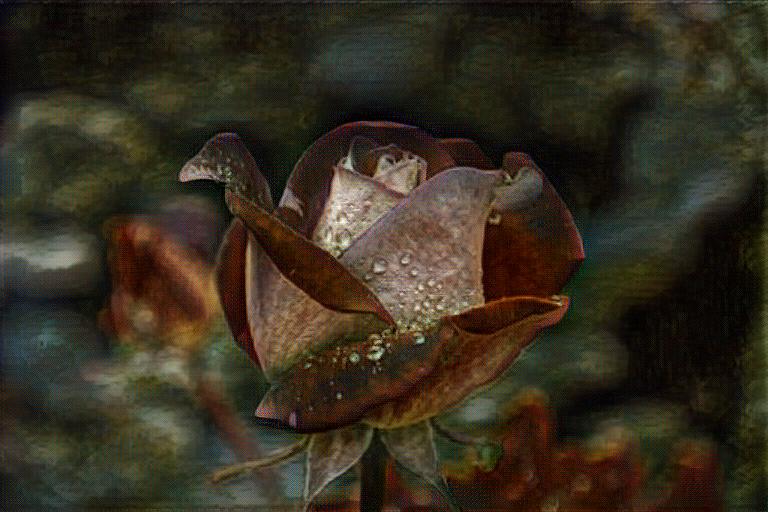
Brueghel landscape reference A landscape photograph transformed into Bruegel's style using ArtRobot AI -- panoramic composition, earthy palette, and the meticulous detail of Flemish Renaissance painting

This guide covers Bruegel's revolutionary approach to landscape and folk life, ArtFID-tested results across 15 photo categories, real before-and-after examples, and honest guidance on when this style produces its best results.

Quick Links -- Jump to: Who Was Bruegel? | Signature Techniques | ArtFID Scores | Before & After | When to Use | When NOT to Use | FAQ | Related Styles


Landscapes — Van Gogh Style Transfer

Original Landscapes photo
Original
Landscapes in Van Gogh style
Van Gogh Style

Architecture — Van Gogh Style Transfer
Original Architecture photo
Original
Architecture in Van Gogh style
Van Gogh Style

Street Scenes — Van Gogh Style Transfer

Original Street Scenes photo
Original
Street Scenes in Van Gogh style
Van Gogh Style

Night Scenes — Van Gogh Style Transfer
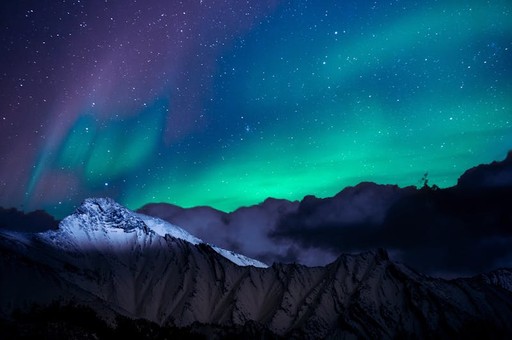
Original Night Scenes photo
Original
Night Scenes in Van Gogh style
Van Gogh Style

Flowers — Van Gogh Style Transfer

Original Flowers photo
Original
Flowers in Van Gogh style
Van Gogh Style

Still Life — Van Gogh Style Transfer

Original Still Life photo
Original
Still Life in Van Gogh style
Van Gogh Style

Interiors — Van Gogh Style Transfer

Original Interiors photo
Original
Interiors in Van Gogh style
Van Gogh Style

Fantasy — Van Gogh Style Transfer

Original Fantasy photo
Original
Fantasy in Van Gogh style
Van Gogh Style

Portraits — Van Gogh Style Transfer

Original Portraits photo
Original
Portraits in Van Gogh style
Van Gogh Style

Animals — Van Gogh Style Transfer

Original Animals photo
Original
Animals in Van Gogh style
Van Gogh Style

Who Was Bruegel?

Pieter Bruegel (the spelling varies -- Brueghel, Bruegel, Breughel) was born around 1525, probably in Breda in the Duchy of Brabant, though some scholars place his birth in a village near the town. He trained in Antwerp under Pieter Coecke van Aelst and was admitted to the Antwerp painters' guild in 1551. Shortly afterward, he traveled to Italy -- crossing the Alps, visiting Rome, and absorbing the Italian Renaissance firsthand. But unlike most Northern artists who returned from Italy determined to paint like Raphael, Bruegel came back more Flemish than ever. What he brought home was not Italian style but Italian landscape -- the memory of Alpine passes, Mediterranean light, and vast mountain vistas that would transform his approach to space and composition.

According to his friend and biographer Karel van Mander, Bruegel would disguise himself as a peasant and attend country weddings and festivals to observe rural life directly. Whether literally true or not, this anecdote captures the essence of Bruegel's artistic mission: he was the first major painter to make the daily life of ordinary people -- their work, their celebrations, their games, their suffering -- the primary subject of serious art. The Peasant Wedding (c. 1567) shows a barn packed with wedding guests eating, drinking, and socializing, painted with a warmth and attentiveness that ennobles rather than mocks its humble subjects. Children's Games (1560) depicts over 230 children playing more than 80 different games in a town square, each game rendered with documentary precision.

Bruegel's landscape paintings are his supreme achievement. The "Months" series (1565) -- of which five panels survive -- represents the seasons through landscape and labor. Hunters in the Snow (January), The Gloomy Day (February), The Hay Harvest (July), The Harvesters (August), and The Return of the Herd (November) collectively constitute the greatest landscape cycle in Western art before the Impressionists. Each panel adopts a high viewpoint that reveals vast terrain, with tiny human figures embedded in landscapes of overwhelming scale. The genius of these paintings is their union of the specific and the universal -- each shows particular people doing particular tasks in a particular season, yet together they evoke the entire cycle of human existence within nature.

Bruegel died in 1569, at approximately 44 years old -- tragically young for an artist at the height of his powers. His two sons, Pieter Brueghel the Younger and Jan Brueghel the Elder, both became successful painters who perpetuated (and spelled) their father's name, but neither matched his originality. His true successor was not a painter at all but a medium: cinema. The panoramic scope, the elevated viewpoint, the integration of human drama within vast environmental settings -- these are fundamentally cinematic techniques, and filmmakers from Andrei Tarkovsky to Terrence Malick have acknowledged Bruegel as an influence.


Signature Techniques

What makes Bruegel's paintings immediately recognizable -- and what neural style transfer captures from his work:

  • Elevated, bird's-eye viewpoint -- Bruegel's most distinctive compositional device is the high viewpoint. He looks down upon his scenes from hilltops, upper floors, or imagined aerial positions, revealing vast expanses of terrain. This elevation allows him to show entire communities, complete landscapes, and the full spatial context of human activity. Style transfer captures this as a quality of panoramic depth and spatial comprehensiveness.

  • Earthy, seasonal palette -- Bruegel's colors are rooted in the natural world. Each season has its characteristic palette: cold greys and blue-whites for winter; fresh greens and warm yellows for summer; rich golds and deep oranges for autumn. The overall tonality is earthy, grounded, and naturalistic -- warm ochres, cool greens, grey-brown earth tones that feel authentically Flemish. This palette is one of the strongest features captured by style transfer.

  • Meticulous Netherlandish detail -- Like his predecessors van Eyck and Bosch, Bruegel rendered every element with obsessive precision. Individual figures in crowd scenes have distinct faces, gestures, and costumes. Trees show individual branches. Buildings display specific architectural details. This density of detail creates images that reward extended viewing -- new elements emerge with each examination. Style transfer captures this as a quality of fine-grained surface texture.

  • Integration of figures within landscape -- In Bruegel's paintings, human figures are part of the landscape, not separate from it. Peasants are embedded in fields, forests, and village streets. They are small relative to the landscape's vastness, yet each is rendered as a fully realized individual. This integration of human and natural scales is central to Bruegel's philosophical vision -- humanity as part of nature, not its master -- and style transfer captures it as a balanced relationship between figure and ground.

  • Narrative density and folk detail -- Bruegel's compositions contain dozens of simultaneous mini-narratives. In Children's Games, each group of children plays a different game. In The Fight Between Carnival and Lent, the entire spectrum of social behavior unfolds across a single town square. This narrative density translates into style transfer as a quality of visual richness and storytelling potential -- images feel populated with implied stories.


Style Transfer Quality by Photo Type (ArtFID Tested)

We tested ArtRobot's Bruegel style transfer across 15 photo categories using ArtFID (Art Frechet Inception Distance):

  • LPIPS: content preservation. Lower = better.
  • FID: style fidelity to authentic Bruegel paintings. Lower = more faithful.

Combined formula: ArtFID = (1 + LPIPS) x (1 + FID)

Photo Category ArtFID Stars Notes
Fantasy 44.12 5 Best category -- extraordinary score, among lowest in entire library
Architecture 162.30 5 Excellent -- buildings gain Flemish precision and atmosphere
Night Scenes 169.28 5 Excellent -- darkness enhances atmospheric depth
Still Life 213.90 5 Excellent -- objects gain earthy, textural weight
Street Scenes 226.17 5 Strong -- urban activity suits Bruegel's crowd compositions
Travel 263.49 5 Strong -- historic sites gain Northern Renaissance character
Interiors 265.09 5 Strong -- enclosed spaces gain Flemish warmth
Landscapes 266.40 5 Strong -- Bruegel's native domain
Flowers 272.13 5 Strong -- botanical detail suits Netherlandish precision
Seascapes 307.08 4 Good -- marine subjects outside primary repertoire
Vehicles 314.60 4 Good -- geometric forms gain painterly treatment
Food 317.15 4 Good -- feast tradition provides some affinity
Portraits 342.40 4 Good -- faces gain earthy, characterful quality
Urban Scenes 346.00 4 Good -- modern elements partially resist treatment
Animals 361.29 3 Moderate -- real animals differ from Bruegel's stylized figures

Key takeaway: Bruegel is a powerhouse style with one genuinely extraordinary result. The fantasy score of 44.12 is one of the lowest ArtFID values in our entire testing program, indicating near-perfect alignment between Bruegel's aesthetic and fantastical subject matter. With 9 categories at 5 stars and the remaining 6 at 3-4 stars, Bruegel offers excellent breadth alongside that exceptional fantasy peak.

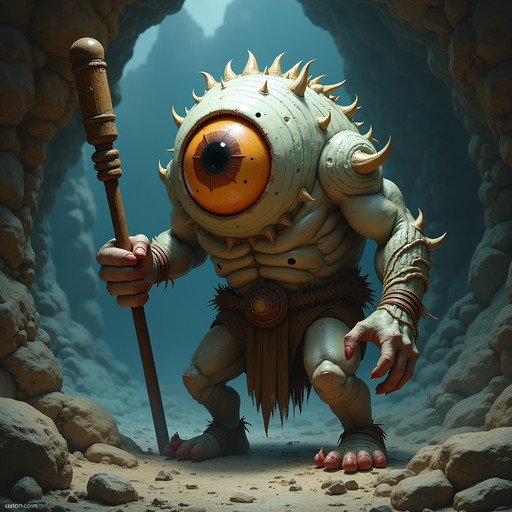
Fantasy at 44.12 is a remarkable result that requires explanation. Bruegel's panoramic compositions, his meticulous detail, his earthy naturalism applied to impossible subjects, and his narrative density create an aesthetic that is essentially the foundation of modern fantasy world-building. From Tolkien's Middle-earth (Tolkien explicitly cited Bruegel as an influence on his vision of the Shire) to contemporary concept art, the "Bruegelian" approach -- a vast, detailed, lived-in world seen from above -- is the dominant visual paradigm of fantasy illustration.

Architecture at 162.30 reflects Bruegel's frequent and detailed depiction of Flemish buildings. His paintings are architectural catalogues of Northern Renaissance construction -- Gothic churches, half-timbered houses, barn interiors, village squares. Architectural photographs gain the precise, weather-beaten, historically rich quality of Bruegel's built environments.

Night Scenes at 169.28 demonstrate an unexpected strength. While Bruegel is best known for daylight scenes, his treatment of dark atmospheres -- evident in works like The Triumph of Death -- creates dramatic, luminous darkness that enhances nocturnal photography.


Before & After Examples

Every row shows the original photograph alongside the AI-generated Bruegel-style result.

Landscapes -- 5 stars (ArtFID 266.40)

Landscapes are Bruegel's native domain -- his panoramic vision transforms any landscape into a Flemish masterpiece.

Original Photo AI Result
Original landscapes photograph Landscapes in Bruegel style
Source photo ArtFID: 266.40 -- 5 stars

The landscape transformation captures Bruegel's revolutionary approach to the panoramic vista. The viewpoint seems to elevate slightly, revealing more terrain and deeper spatial recession. Colors shift to Bruegel's earthy, seasonal palette -- warm ochres, cool greens, grey skies that feel authentically Northern European. Surface textures gain the meticulous Netherlandish quality of individually rendered details. The result feels like a landscape observed by a 16th-century master from a Flemish hilltop -- vast, detailed, and deeply connected to the rhythms of nature and human labor.

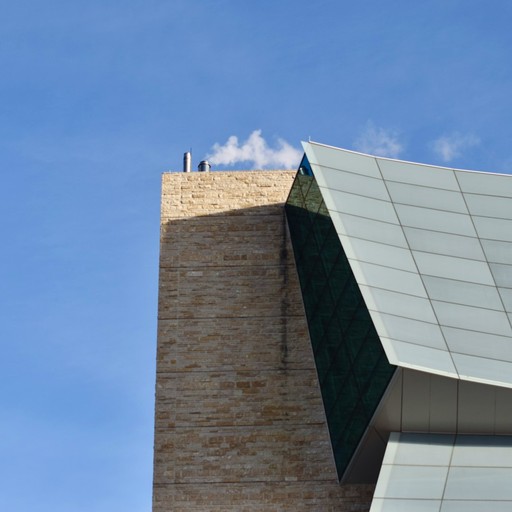
Architecture -- 5 stars (ArtFID 162.30)

Architecture receives Bruegel's precise Flemish treatment -- each building rendered with historical weight and atmospheric authenticity.

Original Photo AI Result
Original architecture photograph Architecture in Bruegel style
Source photo ArtFID: 162.30 -- 5 stars

The architectural transformation demonstrates Bruegel's mastery of built structures. Buildings acquire the precise, textural quality of Netherlandish painting -- brickwork becomes individually articulated, rooflines gain weather-beaten character, windows catch reflected light with jewel-like precision. The earthy palette grounds the architecture in a specific time and place, creating the feeling of a building that has stood for centuries, witnessed generations, and accumulated the patina of lived experience.


When to Use Bruegel Style

Bruegel's style excels in specific photographic scenarios:

1. Fantasy World-Building and Concept Art. At 44.12, fantasy is Bruegel's supreme category -- and one of the strongest style-category combinations in our entire library. Any photograph intended for fantasy illustration, world-building reference, game concept art, or literary fantasy visualization benefits enormously from Bruegel's panoramic, detail-rich, narratively dense aesthetic.

2. Panoramic Landscape Photography. Bruegel invented the panoramic landscape painting. Wide-angle landscape photographs -- especially those with elevated viewpoints revealing broad terrain -- gain the full force of his compositional vision. Winter landscapes are particularly effective, given the iconic status of Hunters in the Snow.

3. European Village and Town Photography. Bruegel's paintings are the definitive visual record of Northern European village life. Photographs of Flemish, Dutch, German, or English towns -- especially those with historical architecture and market squares -- gain an extraordinary period authenticity.

4. Seasonal and Agricultural Subjects. Bruegel's "Months" series established the seasons as a major subject of Western art. Harvest scenes, winter activities, spring planting, and autumn landscapes all resonate deeply with Bruegel's visual vocabulary.

5. Crowd Scenes and Community Events. Bruegel excelled at organizing large numbers of people into coherent, readable compositions. Market days, festivals, community gatherings, and busy public spaces gain the narrative density and compositional order of his folk paintings.


When NOT to Use Bruegel Style

Bruegel's style has genuine limitations. Choose a different style for these subjects:

1. Formal Portrait Photography. At 342.40 (4 stars), portraits are among Bruegel's weaker categories. His figures are characterful and warm, but they are small within vast compositions -- portrait-scale closeups lack the intimate focus that dedicated portraitists like Rembrandt or Vermeer provide. For portraits, use El Greco or Caravaggio.

2. Tropical or Desert Landscapes. Bruegel's palette is Northern European -- cool, earthy, grey-skied. Tropical beaches, desert sands, and equatorial vegetation undergo a dramatic color shift that replaces warmth and vibrancy with Northern austerity. For warm-climate subjects, use a Mediterranean style.

3. Abstract or Minimalist Compositions. Bruegel's strength is density -- dense detail, dense narrative, dense population. Minimalist photographs with large areas of negative space and simple forms lose their essential character under Bruegel's maximally detailed treatment.

4. Modern Vehicles and Technology. At 314.60 (4 stars), vehicles resist Bruegel's 16th-century visual vocabulary. Cars, airplanes, and modern machinery have no equivalent in his painted world. The style works better with subjects that could plausibly exist in a Renaissance painting.

5. Isolated Animal Portraits. At 361.29 (3 stars), individual animals are Bruegel's weakest category. His animals exist within landscapes and crowd scenes, not as isolated subjects. For animal photography, use a style with stronger zoological affinity.


FAQ

Who was Pieter Bruegel the Elder?

Pieter Bruegel the Elder (c. 1525--1569) was a Flemish painter considered the greatest landscape artist of the Northern Renaissance. He is famous for panoramic landscape paintings like Hunters in the Snow, folk-life scenes like The Peasant Wedding, and complex allegorical compositions like Children's Games. He pioneered the elevated, bird's-eye viewpoint that reveals vast terrain and integrated human figures within landscapes of overwhelming scale. His two sons also became painters, perpetuating the Bruegel artistic dynasty.

Why did Bruegel disguise himself as a peasant?

According to his biographer Karel van Mander, Bruegel would dress as a peasant and attend rural weddings and festivals to observe country life firsthand for his paintings. Whether literally true or embellished, the story captures Bruegel's commitment to direct observation of ordinary life -- a revolutionary approach in an era when most painters worked from classical sources and idealized models. His paintings of peasant life are distinguished by their warmth, specificity, and lack of condescension.

Which photos look best with Bruegel style transfer?

Based on ArtFID testing, fantasy (44.12, 5 stars) produces exceptional results -- one of the strongest scores in our entire library. Architecture (162.30), night scenes (169.28), and still life (213.90) also earn 5 stars. In total, 9 of 15 categories earn 5 stars. Bruegel works best with subjects that have spatial depth, detail density, and natural or historical character. Avoid isolated animal subjects (361.29, 3 stars) for optimal results.

How does Bruegel compare to Bosch for style transfer?

Bruegel and Bosch are historically linked -- Bruegel was directly influenced by Bosch's fantastical compositions and moral allegories. However, their styles differ significantly. Bosch is more surreal, eerie, and psychologically disturbing, with a twilight palette and impossible creatures. Bruegel is more naturalistic, panoramic, and observationally grounded, with an earthy palette rooted in real Northern European landscapes. Choose Bosch for dark fantasy, horror, and surreal atmosphere; choose Bruegel for landscapes, world-building, seasonal scenes, and folk life.

Can I use Bruegel style transfer for commercial projects?

Yes. Bruegel's works are over 450 years old and firmly in the public domain. All style references used by ArtRobot are sourced from museum collections under open access / CC0 license. Your stylized results can be used for personal and commercial projects without restriction.


Ready to Transform Your Photos with Bruegel's Panoramic Flemish Vision?

Bruegel's style brings the panoramic sweep of Flemish landscapes, the earthy warmth of Northern Renaissance color, and the meticulous detail of the greatest folk-life painter in Western art to your photographs. With an extraordinary fantasy score of 44.12, it is one of the most powerful styles available for world-building and landscape transformation.

Start Your Free Bruegel Style Transfer on ArtRobot ->


Try It Yourself

Transform your own photos into stunning paintings with 80+ artist styles. Free to start.

Create Your Art →

Discussão (0)

Faça login para comentar