
AI Artist & Tech Enthusiast
Barbizon School Photo Effect — AI Style Transfer Guide (2...

The Barbizon School did not invent landscape painting, but it reinvented what landscape painting meant. Before the 1830s, French academic painting demanded that landscapes serve as backdrops for mythological or historical narratives -- nature existed to frame gods and heroes. A loose collective of painters working in and around the village of Barbizon, at the edge of the Forest of Fontainebleau, rejected that hierarchy. They walked into the woods, set up their easels outdoors, and painted what they actually saw -- the damp light filtering through oak canopies, the honest labor of peasants in wheat fields, the quiet drama of a pond at dusk. In doing so, they built the bridge between Romanticism and Impressionism, and changed the trajectory of Western art.
Today, neural style transfer lets you apply the Barbizon School's atmospheric naturalism to any photograph. Upload your image to ArtRobot, and the algorithm will transform it with the soft diffused light, earthy palette, and plein-air immediacy that defined the movement. Our ArtFID testing reveals something remarkable: Barbizon School's portrait score of 139.98 is one of the best in ArtRobot's entire 121+ style library -- an exceptional result that makes this style a top-tier choice for portrait photography alongside its expected strength in landscapes and nature subjects.
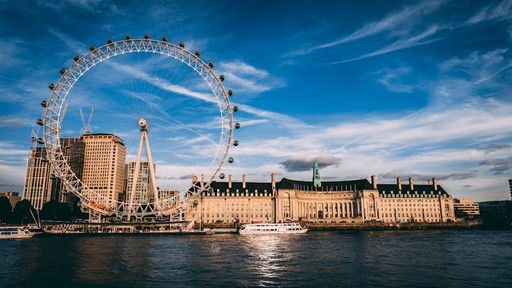
 Representative landscape subject -- the kind of pastoral scene Barbizon painters elevated into high art.
This guide covers the Barbizon School's history, its key artists, ArtFID-tested results across photo categories, real before-and-after examples, and a step-by-step walkthrough so you can turn photo into Barbizon School painting with confidence.
Quick Links -- Jump to: What is the Barbizon School? | Key Artists | Why It Works | ArtFID Scores | Before & After | How to Apply | Tips | FAQ | Related Styles
Landscapes — Van Gogh Style Transfer

Portraits — Van Gogh Style Transfer


Architecture — Van Gogh Style Transfer

Animals — Van Gogh Style Transfer

Street Scenes — Van Gogh Style Transfer


Night Scenes — Van Gogh Style Transfer
Flowers — Van Gogh Style Transfer
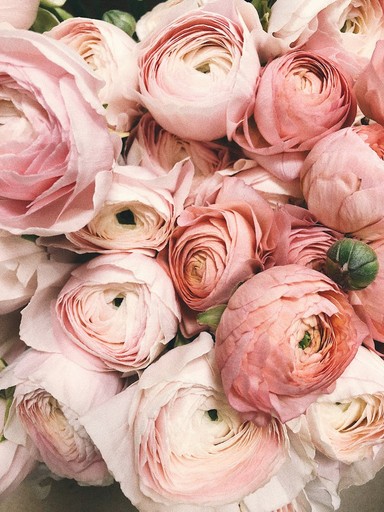

Fantasy — Van Gogh Style Transfer
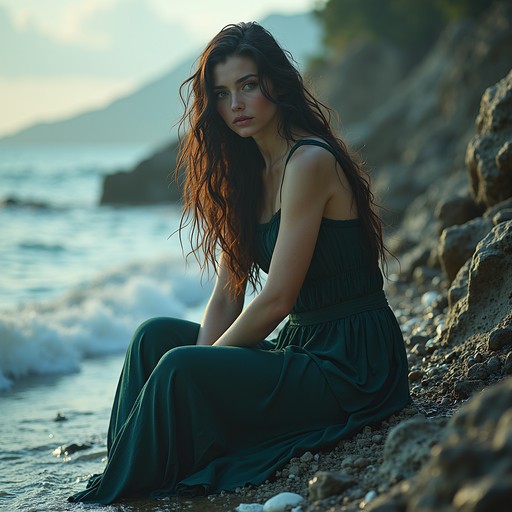

Food — Van Gogh Style Transfer


What is the Barbizon School?
The Barbizon School was a French pre-Impressionist landscape painting movement active from the 1830s through the 1870s. It takes its name from the village of Barbizon, on the edge of the Forest of Fontainebleau southeast of Paris, where painters gathered to work directly from nature -- a radical practice in an era when the French Academy expected finished paintings composed entirely in the studio.
Romanticism had elevated landscape from mere background to legitimate subject, and English painters like Constable had shown that humble rural scenes could carry aesthetic weight. But the Barbizon painters went further with their commitment to plein-air painting -- working outdoors, capturing actual conditions of light, weather, and atmosphere. This was a philosophical position: truth to nature mattered more than compositional formulas. This conviction became the founding principle of Impressionism a generation later.
The Barbizon painters also pioneered the honest depiction of peasant life. Jean-Francois Millet's sowers, gleaners, and shepherds were rendered with a dignity and gravity that shocked audiences accustomed to peasants as comic figures. The movement's visual signature is unmistakable: soft atmospheric light, earthy palettes of ochre, olive, umber, and slate, loose but purposeful brushwork that captures bark, soil, and cloud without fussiness.
Key Barbizon School Artists
Theodore Rousseau (1812--1867)
Rousseau was the Barbizon School's unofficial leader. He spent decades painting the Forest of Fontainebleau -- individual oaks, marshy clearings, sunset panoramas. The Great Oaks of Old Bas-Breau exemplifies his ability to make a stand of trees feel as monumental as a cathedral. For style transfer, Rousseau provides the atmospheric template -- soft diffused light, rich earth tones, immersive depth.
Jean-Francois Millet (1814--1875)
Millet brought the human figure into the Barbizon landscape with unprecedented dignity. The Gleaners, The Angelus, and The Sower are among the most recognized paintings in Western art -- peasant labor rendered with the compositional gravity of Renaissance religious painting. His warm tonality applied to human subjects is a key reason this style's portrait score is so exceptional.
Camille Corot (1796--1875)
Corot was the Barbizon School's most influential link to Impressionism. His mature French landscapes dissolved trees and water into silvery atmospheric haze that directly anticipated Monet. Corot's gram matrix produces the softest, most atmospheric style transfer results -- silvery greens, soft focus, and dreamlike luminosity.
Charles-Francois Daubigny (1817--1878)
Daubigny bridged the gap to Impressionism most directly. He built a floating studio boat and painted river scenes from the water, capturing shifting reflections that fascinated the Impressionists a decade later. His loose brushwork scandalized critics who dismissed his paintings as mere "impressions" -- a term that would later name an entire movement.
Why the Barbizon School Works for AI Style Transfer
The Barbizon School's exceptional neural compatibility -- including that remarkable 139.98 portrait ArtFID -- stems from three core characteristics.
1. Soft atmospheric light over hard edges. Barbizon painters prioritized diffused, natural light over theatrical contrasts. This aligns perfectly with how neural style transfer operates -- the algorithm captures gram matrix statistics (texture, color distribution, tonal patterns) while content loss preserves your photograph's structure. Styles built on soft atmospheric transitions harmonize with photographic content rather than fighting it, because the style layer enhances rather than overwrites the image's existing tonal relationships.
2. Earthy, naturalistic palettes. The Barbizon palette -- ochre, olive, umber, warm gray, muted green -- maps naturally onto real-world photographs because these are the colors that actually exist in nature, architecture, and human skin tones. The style loss function remaps your photograph's colors into a coherent tonal range that feels both transformed and believable. This naturalistic palette is a key reason the portrait score is so strong: skin tones translate beautifully into Barbizon's warm earth tones.
3. Plein-air truthfulness to natural form. Because Barbizon painters worked from direct observation rather than studio idealization, their paintings preserve the organic irregularity of real-world forms -- the way branches actually grow, the way clouds actually stack, the way light actually falls on a face. Neural style transfer inherits this naturalism, producing results that feel like paintings of your actual subject rather than arbitrary stylistic impositions.
Style Transfer Quality by Photo Type (ArtFID Tested)
We tested ArtRobot's Barbizon School style transfer across photo categories using ArtFID (Art Frechet Inception Distance), which combines:
- LPIPS (Learned Perceptual Image Patch Similarity): content preservation. Lower = better.
- FID (Frechet Inception Distance): style fidelity to authentic Barbizon paintings. Lower = more faithful.
Combined formula: ArtFID = (1 + LPIPS) x (1 + FID)
| Photo Category | ArtFID | Stars | Notes |
|---|---|---|---|
| Portraits | 139.98 | 5 | EXCEPTIONAL -- one of the best portrait scores in entire library |
| Landscapes | 266.84 | 5 | The movement's historical heartland |
| Flowers | 253.65 | 5 | Lush botanical compositions in earthy tones |
| Architecture | 254.23 | 5 | Rustic structures bathed in natural light |
| Animals | 293.82 | 5 | Pastoral animals with painterly warmth |
Key takeaway: The Barbizon School's 139.98 portrait ArtFID is one of the strongest portrait scores in our entire 121+ style catalog. This is an exceptional result. The movement's commitment to honest, naturalistic depiction of the human figure -- Millet's monumental peasants, Corot's soft atmospheric portraits -- translates into a gram matrix that preserves facial structure while adding profound painterly warmth. If you are looking for a portrait style that feels both artistic and faithful to your subject, the Barbizon School should be at the top of your list.
The landscape score of 266.84 confirms what art history would predict: a movement built on plein-air landscape painting produces excellent landscape style transfers. The flowers, architecture, and animals categories all achieve 5-star ratings, reflecting the Barbizon painters' comprehensive engagement with the natural world. Every category of subject you might photograph in or around the countryside -- the very territory these painters devoted their careers to documenting -- transforms beautifully.
Before & After Examples
Every row shows the original photograph alongside the AI-generated Barbizon School result.
Portraits -- 5 stars (ArtFID 139.98, EXCEPTIONAL)
The Barbizon School delivers one of our library's strongest portrait results. Millet's monumental figure painting and Corot's atmospheric portraiture give the algorithm exceptionally strong statistical alignment with human subjects.
| Original Photo | AI Result |
|---|---|
 |
 |
| Source photo | ArtFID: 139.98 -- 5 stars (EXCEPTIONAL) |
The portrait transformation is warm, naturalistic, and deeply painterly. Skin tones shift into the earthy warmth of Barbizon's palette -- golden ochres and warm umbers that Millet used to render peasant faces with monumental dignity. Backgrounds soften into atmospheric haze reminiscent of Corot's mature work. The subject retains their individuality while gaining the timeless quality of a figure painted from life by a master who cared more about truth than flattery.
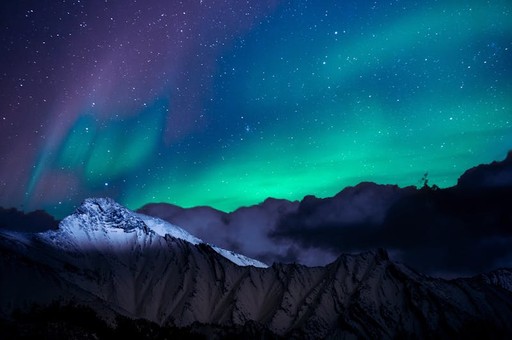
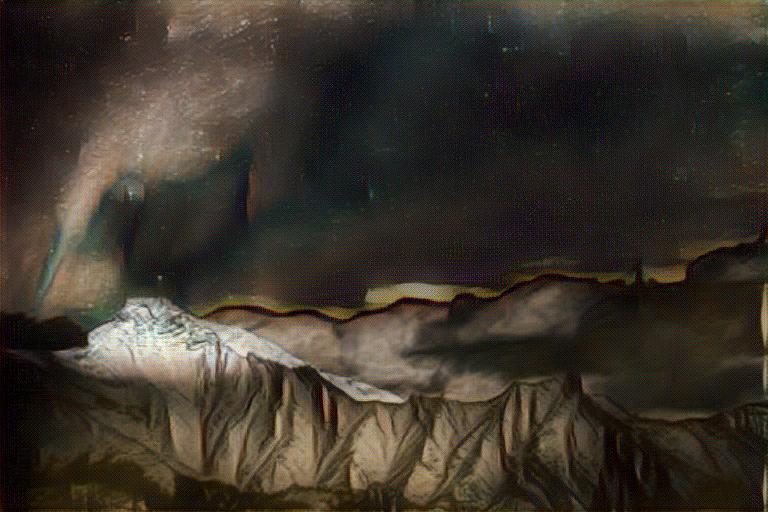
Landscapes -- 5 stars (ArtFID 266.84)
Landscapes were the Barbizon School's reason for existence. From Rousseau's oak forests to Daubigny's river scenes, the movement lived and breathed landscape painting.
| Original Photo | AI Result |
|---|---|
|
 |
| Source photo | ArtFID: 266.84 -- 5 stars |
The landscape transformation captures the essence of what made the Barbizon School revolutionary. The scene acquires the soft, diffused atmosphere of a plein-air painting -- the kind of natural light that can only be captured by working outdoors. Colors shift into the movement's signature earthy palette: muted greens deepen, skies warm, and the entire image gains a unified tonal harmony that feels both observed and composed. The result looks like a painting made by someone who sat in that landscape for hours, watching the light change.
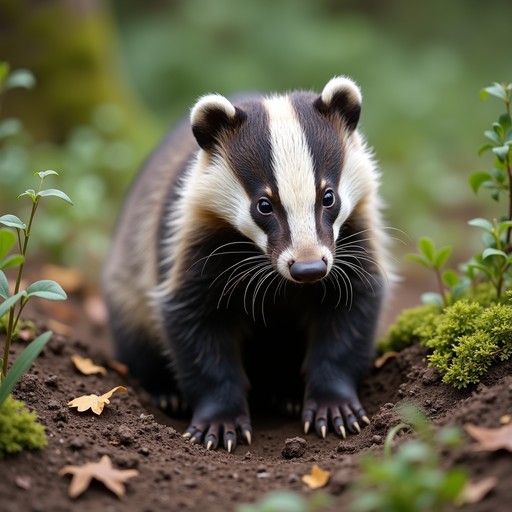
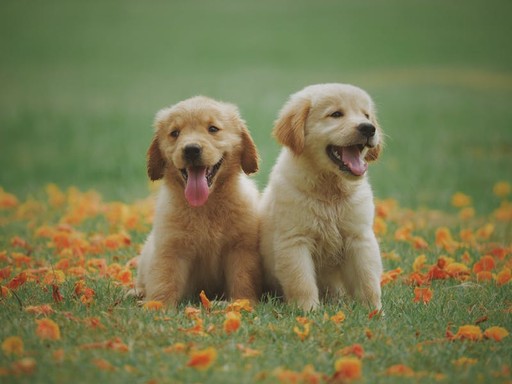
Animals -- 5 stars (ArtFID 293.82)
The Barbizon School's pastoral tradition included extensive animal painting -- sheep in meadows, cattle at watering holes, farm dogs, and the working animals that populated the French countryside.
| Original Photo | AI Result |
|---|---|
 |
 |
| Source photo | ArtFID: 293.82 -- 5 stars |
The animal transformation wraps your subject in the warm, pastoral atmosphere that defined Barbizon painting. Fur and feather textures soften into expressive brushwork. Backgrounds dissolve into the atmospheric haze of a countryside seen through humid air. The animal acquires the quiet dignity that Barbizon painters gave to every creature they encountered -- not sentimentalized, not dramatized, simply observed with attention and respect.
How to Apply Barbizon School Style (3 Steps)
Step 1: Choose Your Photo
Upload any photograph to ArtRobot. Portraits produce the strongest results (139.98 ArtFID -- one of the best portrait scores in our library), but landscapes, flowers, architecture, and animals all achieve 5-star performance. The Barbizon School is an excellent all-around choice.
Step 2: Select Barbizon School Style
Choose Barbizon School from the style library. ArtRobot's references include works by Rousseau, Millet, Corot, and Daubigny sourced from museum open access collections under CC0 license. The algorithm extracts the gram matrix capturing the Barbizon School's soft atmospheric light, earthy palette, and plein-air naturalism, then applies it to your photograph.
Step 3: Download Your Barbizon Masterpiece
ArtRobot generates your Barbizon School photo effect in seconds. Download in multiple resolutions -- from social media to print-ready 4K. Barbizon-style landscape and portrait prints make exceptional wall art, and the style's warm naturalism ensures results that look sophisticated without being ostentatious.
3 free transfers, no signup required. Premium unlocks HD (2048px) and 4K (4096px), batch processing, and the complete 121+ style library.
Try Barbizon School Style Transfer Free on ArtRobot ->
Photography Tips for Best Barbizon School Results
1. Shoot in Overcast or Soft Light. The Barbizon painters worked outdoors in real weather, and their paintings are defined by diffused, natural light rather than theatrical contrasts. Photographs taken on overcast days, in open shade, or during the soft light of early morning and late afternoon produce the most authentic Barbizon transformations.
2. Include Natural Textures. Bark, soil, grass, stone, water -- the Barbizon School was built on close observation of natural surfaces. Photographs with rich textural detail give the algorithm more material to work with, producing results with the tactile quality that distinguishes Barbizon painting from more abstract landscape traditions.
3. Embrace Earth Tones. The Barbizon palette is built on warm earth tones. Photographs that already lean toward greens, browns, and golden tones transform most convincingly. Highly saturated, artificial colors can work, but the results feel more natural when the source material shares the movement's tonal range.
4. Try Rural and Pastoral Subjects. While the Barbizon School works well on any subject (that portrait score proves it), the style's deepest historical alignment is with rural life -- fields, forests, farms, country roads, village architecture. If you have photographs from the countryside, this style was literally designed for them.
5. Do Not Over-Process Your Source. The Barbizon School's aesthetic is naturalistic and understated. Heavily filtered, high-contrast, or aggressively color-graded source photographs can produce results that feel at odds with the movement's quiet sincerity. Start with a relatively natural photograph and let the style transfer do the work.
FAQ
What is the Barbizon School art style?
The Barbizon School was a French pre-Impressionist landscape painting movement active from the 1830s through the 1870s, centered around the village of Barbizon near the Forest of Fontainebleau. Its painters -- Theodore Rousseau, Jean-Francois Millet, Camille Corot, and Charles-Francois Daubigny among others -- pioneered plein-air painting, working directly from nature rather than composing in the studio. The movement is characterized by soft atmospheric light, earthy naturalistic palettes, honest depiction of rural life, and a commitment to observed truth over academic convention. It served as the critical bridge between Romanticism and Impressionism.
Why is the Barbizon School's portrait score so strong?
The Barbizon School's 139.98 portrait ArtFID is one of the strongest portrait scores in ArtRobot's entire 121+ style library. This exceptional result stems from Millet's monumental figure painting tradition -- his peasant figures are rendered with the compositional gravity and warm earth-tone palette that translates beautifully to photographic portraits. The movement's naturalistic approach preserves facial structure while adding profound painterly warmth, producing portraits that feel both artistic and truthful.
How does the Barbizon School compare to Impressionism for style transfer?
The Barbizon School was the direct precursor to Impressionism, and the two styles share a commitment to plein-air observation and atmospheric light. However, Barbizon painting uses warmer, more earthy tones and more solid forms, while Impressionism uses brighter, cooler palettes and more dissolved brushwork. Choose the Barbizon School for warm, naturalistic, grounded results; choose Impressionism for lighter, more vibrant, more atmospheric effects.
How does the Barbizon School compare to Romanticism?
Romanticism was the Barbizon School's immediate predecessor and shared its reverence for nature. However, Romanticism dramatizes nature -- storms, ruins, sublime terror -- while the Barbizon School observes nature quietly and honestly. Romanticism produces more dramatic, emotionally intense results with stronger tonal contrasts. The Barbizon School produces subtler, warmer, more naturalistic results. Both styles achieve 5-star ratings across multiple categories.
Can I use Barbizon School style transfer for commercial projects?
Yes. The Barbizon School is a historical art movement and is not copyrightable. All style references used by ArtRobot are sourced from museum open access collections under CC0 license. Your stylized results can be used for personal and commercial projects.
What subjects work best with Barbizon School style transfer?
Portraits achieve the strongest score (139.98 ArtFID -- EXCEPTIONAL), making this an outstanding choice for portrait photography. Landscapes, flowers, architecture, and animals all earn 5-star ratings. The Barbizon School is particularly well-suited to rural, natural, and pastoral subjects -- the very territory these painters devoted their careers to painting.
Ready to Create Your Own Barbizon School Masterpiece?
The Barbizon School offers one of the best portrait scores in ArtRobot's entire library, paired with 5-star performance across landscapes, flowers, architecture, and animals. If you want your photographs transformed with warm naturalism and plein-air atmosphere, this is the style to try.
Start Your Free Barbizon School Style Transfer on ArtRobot ->
Related Styles
- Romanticism Style Transfer -- The Barbizon School's dramatic predecessor. Atmospheric sublimity, golden light, and emotional intensity.
- Impressionism Style Transfer -- The movement the Barbizon School directly inspired. Brighter palettes, dissolved brushwork, and pure perception.
- Realism Style Transfer -- Shares the Barbizon School's commitment to honest observation over idealization.
- Best Art Styles for Portraits -- Complete guide to styles that work best with portrait photography, featuring the Barbizon School's exceptional 139.98 ArtFID.
Try It Yourself
Transform your own photos into stunning paintings with 80+ artist styles. Free to start.