
AI Artist & Tech Enthusiast
Neoclassicism Photo Effect for Architecture

Neoclassicism was born from a longing for order. In the mid-18th century, artists and architects turned back to ancient Greece and Rome, seeking the clarity, discipline, and moral seriousness that they felt their own age had lost. The architecture neoclassicism photo effect channels that disciplined vision into your building photographs -- clean lines, balanced compositions, restrained color, and a sense of monumental calm. Our ArtFID testing gives this combination 230.28 (5 stars), placing architecture 5th out of 15 content types with an excellent rating. For the full architecture style comparison, see the Architecture Style Transfer Guide.
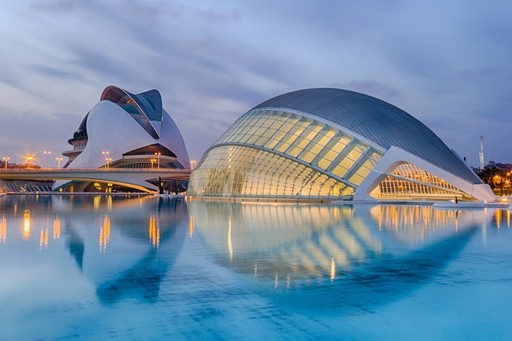
Architecture — Neoclassicism style Transfer

About Neoclassicism Art Style
Neoclassicism dominated European art and architecture from roughly 1760 to 1850, fueled by the rediscovery of Pompeii and Herculaneum and the writings of Johann Joachim Winckelmann, who proclaimed that the path to greatness lay in imitating the "noble simplicity and quiet grandeur" of the ancients. Against the ornamental excess of Rococo, Neoclassicism proposed restraint. Against the emotional indulgence of early Romanticism, it proposed reason.
"The history of modern art is complex, but there are certain general tendencies and attitudes which provide a basis for its study. In painting and sculpture the image of nature and of natural forms has gradually been transformed into abstract or intuitive interpretations of man's experience. In architecture, eclecticism and variety have been replaced by a new search for a common or international style expressive of new techniques and materials." -- Art Through the Ages, p. 680
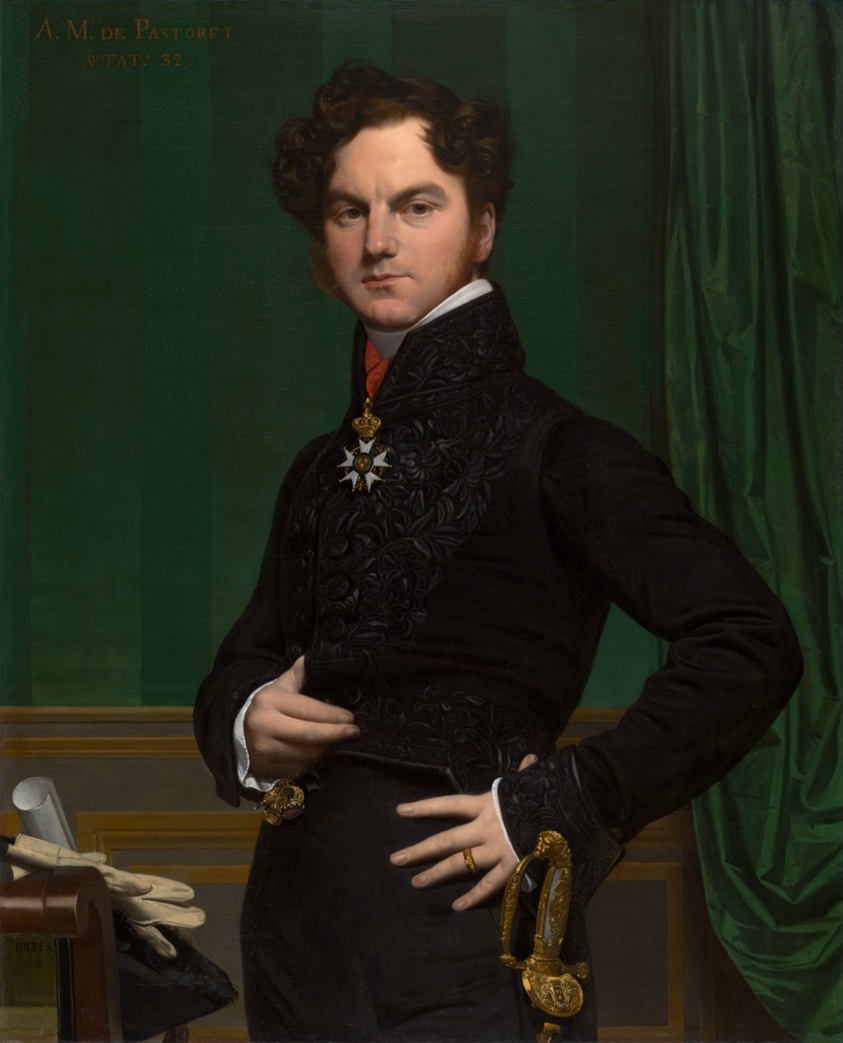 Jean-Auguste-Dominique Ingres, "Amedee-David, the Comte de Pastoret" -- Art Institute of Chicago, CC0 / Public Domain
The movement's foremost painter, Jean-Auguste-Dominique Ingres, perfected the visual language that defines Neoclassicism for style transfer: classical themes drawn from ancient history and mythology, clean lines that subordinate brushwork to drawing, balanced composition that distributes visual weight with geometric precision, and restrained color that favors tonal harmony over chromatic spectacle. Ingres's surfaces are almost supernaturally smooth -- you cannot see the brush, only the form it described. This mid-frequency, smooth surfaces profile creates an interesting interaction with architecture: the style does not add textural noise but rather refines and clarifies the building's existing geometry.
Why Neoclassicism Works for Architecture Photos
Neoclassicism and architecture share a fundamental vocabulary. The Neoclassical painters drew columns, pediments, and symmetrical facades not as background but as moral statements -- architecture represented the rational order that civilization should aspire to. When neural style transfer applies Neoclassical painting to architecture photographs, it performs a visual homecoming: the style recognizes the subject as its own.
The algorithm's Gram matrices extract the statistical texture patterns of Ingres's smooth surfaces, restrained palette, and linear precision, then map them onto the photograph's structural elements. Rather than adding visual complexity (as Baroque or Expressionist styles do), Neoclassicism subtracts it. Surface noise diminishes. Color shifts toward tonal harmony. The building's geometric purity emerges more clearly than in the original photograph, as if the neural network were polishing the structure to reveal its underlying classical form.
The LPIPS of 0.4337 indicates moderate content preservation -- the building is clearly recognizable, with its proportional relationships intact. The FID of 159.62 is remarkably low, confirming exceptionally strong alignment with authentic Neoclassical visual language. This combination of preserved structure and strong style fidelity produces one of the lowest (best) ArtFID scores in our architecture testing. The smooth surfaces of Neoclassical painting complement architecture's geometric edges without competing with them -- the style enhances architectural clarity rather than obscuring it.
ArtFID Quality Score: Architecture + Neoclassicism
ArtFID (Artistic Frechet Inception Distance) combines two metrics: LPIPS measures content preservation, FID measures style fidelity. ArtFID = (1 + LPIPS) x (1 + FID). Lower = better.
| Content Type | ArtFID | Stars | Verdict |
|---|---|---|---|
| Travel | 115.55 | 5 | Excellent -- cultural subjects embrace classical themes |
| Interiors | 140.72 | 5 | Excellent -- interior spaces gain Neoclassical refinement |
| Portraits | 198.38 | 5 | Excellent -- figures acquire Ingres's polished elegance |
| Fantasy | 218.13 | 5 | Excellent -- imaginative content accepts classical restraint |
| Architecture | 230.28 | 5 | Excellent -- geometric structure enhanced by classical clarity |
| Still Life | 231.53 | 5 | Excellent -- objects gain tonal refinement |
| Landscapes | 243.97 | 5 | Excellent -- terrain absorbs smooth atmospheric treatment |
| Flowers | 268.75 | 5 | Excellent -- organic forms accept restrained palette |
| Street Scenes | 279.29 | 5 | Excellent -- urban complexity gains orderly composition |
| Night Scenes | 285.33 | 5 | Excellent -- darkness intensifies tonal drama |
| Vehicles | 290.97 | 5 | Excellent -- mechanical forms align with classical precision |
| Urban Scenes | 300.90 | 4 | Strong -- dense visual content benefits from restraint |
| Seascapes | 301.67 | 4 | Strong -- water surfaces accept smooth treatment |
| Food | 321.15 | 4 | Good -- secular subjects resist classical gravitas |
| Animals | 342.14 | 4 | Good -- organic movement conflicts with static composure |
Architecture score: 230.28 (LPIPS = 0.4337, FID = 159.62) -- Architecture ranks 5th out of 15 content types with an excellent 5-star rating. Neoclassicism is notably strong across all content types, with 11 of 15 scoring 5 stars. The low FID of 159.62 is particularly significant -- it means the neural network achieves exceptionally close alignment with authentic Neoclassical visual characteristics. Architecture benefits from this precision because the style enhances rather than disrupts the building's geometric clarity.
Before & After: Architecture in Neoclassicism Style
Every row below shows three images: the original photograph, a Neoclassicism painting used as the style reference, and the AI-generated result.
Architecture -- 5 Stars (ArtFID 230.28)
The building's geometry is preserved with remarkable fidelity while surfaces acquire the polished, smooth quality of Neoclassical painting. Colors shift from photographic literalism toward a restrained, tonal palette. The overall effect is not transformation through addition (more texture, more color) but transformation through refinement -- the building appears more idealized, more deliberately composed, as if an 18th-century painter had chosen it as the setting for a history painting.
| Original Photo | Style Reference | AI Result |
|---|---|---|
|
|
|
| Source photo | Ingres, "Amedee-David, the Comte de Pastoret" (AIC, CC0) | ArtFID: 230.28 -- 5 Stars |
LPIPS: 0.4337 (content preservation) | FID: 159.62 (style fidelity)
Notice how the building's proportional relationships are preserved with unusual precision -- Neoclassicism's emphasis on drawing over painterly gesture means the algorithm prioritizes structural accuracy. Surface textures smooth toward the porcelain finish of Ingres's technique, while colors settle into the muted, harmonious palette that Neoclassicists favored over chromatic spectacle.
Photography Tips for Best Neoclassicism Results
Neoclassicism already scores an excellent 5 stars on architecture, but the right source photograph maximizes the style's clarifying, refining effect.
-
Photograph buildings with classical proportions and symmetry. Neoclassicism worshipped classical order. Buildings with symmetrical facades, columned porticos, pediments, and proportional systems derived from ancient architecture provide the algorithm with geometry that the style naturally enhances. Government buildings, museums, banks, and university structures built in the 18th-19th centuries are ideal subjects.
-
Shoot in even, diffused lighting. Neoclassical painting avoids dramatic chiaroscuro in favor of even illumination that reveals form through line rather than shadow. Overcast days or early morning light that minimizes harsh shadows produce source photographs that align with the style's preference for clarity over drama. The algorithm will smooth tonal transitions, so starting with gentle light produces the most refined results.
-
Favor clean, uncluttered compositions. Neoclassicism values compositional order. Photographs that isolate the building from visual clutter -- parking lots, utility wires, signage -- give the algorithm a cleaner subject to refine. Cropping tightly to emphasize the building's primary geometric relationships produces better results than wide shots cluttered with contextual distractions.
-
Seek buildings with smooth, light-colored surfaces. Neoclassicism's smooth surfaces profile maps most naturally onto buildings with light-colored stone, stucco, or plaster facades. Dark, rough-textured materials (raw concrete, dark brick, weathered wood) create frequency conflicts with the style's emphasis on polished refinement.
-
Include the building's full proportional system. Neoclassical painters carefully composed their architectural settings to show complete proportional relationships. Photographs that capture the full height-to-width ratio, column spacing, and entablature proportions -- rather than tight crops of individual elements -- allow the algorithm to work with the complete geometric system that Neoclassicism was designed to celebrate.
How to Apply Neoclassicism Style (3 Steps)
Step 1: Choose Your Photo
Upload any architecture photograph to ArtRobot. Based on our ArtFID testing, travel (115.55), interiors (140.72), and portraits (198.38) produce the best Neoclassicism results, with architecture scoring an excellent 230.28 (5 stars).
Step 2: Select Neoclassicism Style
Choose from masterworks by Jean-Auguste-Dominique Ingres as your style reference. ArtRobot uses the ArtFlow algorithm (CVPR 2021), an invertible neural network that preserves your building's structural geometry while transferring Neoclassicism's clean lines, balanced composition, and restrained color.
Step 3: Download Your Art
ArtRobot generates your Neoclassicism-style architecture image in seconds. Download in multiple resolutions -- from social media sizes to print-ready 4K. The result transforms your building into a vision of classical order -- architecture as the Enlightenment imagined it.
Try Neoclassicism Style Transfer Free on ArtRobot ->
FAQ
How does Neoclassicism style transfer work on architecture photos?
The algorithm extracts Gram matrices from Neoclassical reference paintings -- works by Jean-Auguste-Dominique Ingres -- and applies those statistical texture patterns to your architecture photograph. Unlike most style transfers that add visual complexity, Neoclassicism refines: surfaces smooth, colors harmonize, and the building's underlying geometric order becomes more visible. The mid-frequency smooth surfaces profile complements architecture's geometric edges, producing the excellent 5-star ArtFID score of 230.28.
What ArtFID score does Neoclassicism get on architecture?
Neoclassicism achieves 230.28 ArtFID on architecture with an excellent 5-star rating, ranking 5th out of 15 content types. The LPIPS of 0.4337 indicates strong content preservation -- the building's proportional system is maintained with unusual accuracy. The remarkably low FID of 159.62 confirms exceptional alignment with authentic Neoclassical visual language, making this one of the strongest style-content pairings in our testing library.
Is Neoclassicism a good choice for architecture photography?
Neoclassicism is an excellent choice for architecture, earning a full 5-star rating. The pairing is historically natural -- Neoclassicism was obsessed with architecture as the expression of rational order. Unlike more aggressive styles that dramatically transform the building's appearance, Neoclassicism refines and clarifies, making it ideal for architectural subjects where you want to enhance the building's geometric beauty without losing its identity. For comprehensive comparison, see Best Art Styles for Architecture.
What architecture photo tips improve Neoclassicism results?
Four factors improve results most: (1) buildings with classical proportions and symmetry that resonate with Neoclassical values; (2) even, diffused lighting that aligns with the style's preference for clarity over drama; (3) clean, uncluttered compositions that give the algorithm a clear subject to refine; and (4) smooth, light-colored building surfaces that map naturally onto the style's polished finish. Avoid dark, rough-textured materials and cluttered compositions that work against Neoclassicism's emphasis on order and refinement.
Can I try Neoclassicism architecture style transfer for free?
Yes. Visit ArtRobot to upload an architecture photograph and apply Neoclassicism style transfer at no cost. Choose from reference paintings by Jean-Auguste-Dominique Ingres from the Art Institute of Chicago's collection. The algorithm is the same ArtFlow neural network (CVPR 2021) used in our ArtFID benchmark testing.
Related Architecture Styles
Explore more art styles for architecture photography:
- Architecture Style Transfer Guide -- comprehensive comparison of all art styles tested on architecture photography
- Neoclassicism Style Transfer -- Neoclassicism performance across all 15 content types
- Best Art Styles for Architecture -- top-performing styles ranked by ArtFID score
- Jean-Auguste-Dominique Ingres Style Transfer -- the master draftsman whose polished surfaces defined Neoclassical painting
Try It Yourself
Neoclassicism believed that the highest purpose of art was to reveal ideal order beneath the chaos of appearances. At 230.28 and 5 stars, the architecture-Neoclassicism pairing does exactly that: your building photograph is refined, clarified, and elevated toward the classical ideal that inspired two centuries of Western architecture. The result is not a building disguised as a painting -- it is a building revealed as the geometric statement it always was, with the polished, harmonious surface quality that Ingres brought to every canvas he touched. Upload your architecture photo to ArtRobot's Neoclassicism style transfer and see your building through Enlightenment eyes. Free credits included.
Start Your Free Neoclassicism Style Transfer on ArtRobot ->
Explore More
Try It Yourself
Transform your own photos into stunning paintings with 80+ artist styles. Free to start.