
AI Artist & Tech Enthusiast
Animals Naïve Art Photo Effect — AI Art [ArtFID Tested]
![Animals Naïve Art Photo Effect — AI Art [ArtFID Tested] - ArtRobot AI Art](https://storage.googleapis.com/artrobot-storage/blog/pseo/stylized_images/naive-art/animals_03_stylized.jpg)
Henri Rousseau never visited a jungle. The retired toll collector -- mocked by critics as "Le Douanier" -- painted his legendary tropical scenes entirely from visits to the Jardin des Plantes in Paris and illustrations in children's books. His tigers, lions, monkeys, and jaguars exist in a world of flat perspective, impossibly lush foliage, and colors so bold they feel invented rather than observed. This is naive art at its most powerful: not the absence of skill, but the presence of a completely different visual logic -- one where animals inhabit a world governed by feeling rather than photographic accuracy.
The animals naive art photo effect scores 222.54 ArtFID (5/5 stars), confirming what Rousseau's legacy suggests: naive art and animal subjects are a natural pairing. The style's childlike simplicity, flat color planes, and disregard for conventional perspective transform ordinary animal photographs into charming, whimsical compositions that feel like illustrations from a storybook you half-remember from childhood.
 Animal photograph transformed into Naive Art style -- ArtFID: 222.54 (5 stars) -- Powered by ArtRobot AI
Quick Links -- Jump to: About Naive Art | Why It Works for Animals | ArtFID Quality Score | Before & After | Photography Tips | How to Apply | FAQ | Related Styles
Animals — Van Gogh Style Transfer
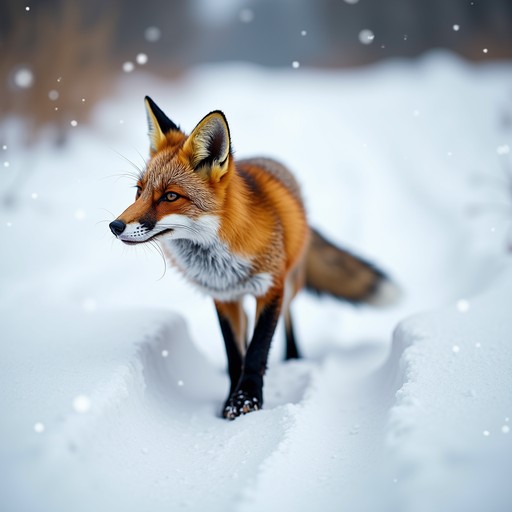
About Naive Art (Primitive Art)
Naive art -- also called primitive art, outsider art, or art brut -- describes work created by self-taught artists who operate outside the academic tradition. Unlike trained painters who learn perspective, anatomy, and color theory through formal instruction, naive artists develop their own visual systems based on direct observation, memory, and instinct. The results share a set of recognizable characteristics that cross cultures and centuries:
- Flat perspective -- Depth is suggested through overlapping forms and size relationships rather than vanishing-point perspective. Objects in the background are not smaller; they are simply placed higher on the picture plane.
- Bold, unmodulated color -- Colors are applied in flat, saturated areas without atmospheric gradation or tonal subtlety. Shadows may be absent entirely, or rendered as a different color rather than a darker shade.
- Simplified forms -- Complex shapes are reduced to their essential outlines. A tree becomes a lollipop. A mountain becomes a triangle. An animal becomes a collection of curves and angles that capture character rather than anatomy.
- Decorative detail -- Where academic art subordinates detail to the whole, naive art treats every leaf, every flower, every blade of grass as equally important, creating densely patterned surfaces that reward close looking.
 Henri Rousseau, "Dahlia and Daisies in a Vase" -- Art Institute of Chicago, Museum Open Access.
Henri Rousseau (1844--1910) remains the movement's most celebrated figure. His jungle paintings -- The Dream, Tiger in a Tropical Storm, The Hungry Lion -- established the archetype of naive art's relationship with the animal world. Picasso famously hosted a banquet in Rousseau's honor in 1908, recognizing in the naive master's work a radical simplicity that the avant-garde could learn from. Rousseau's influence ripples through 20th-century art from Frida Kahlo to contemporary folk art worldwide.
For neural style transfer, naive art's visual characteristics create a distinctive gram matrix profile: low-frequency color fields with high-contrast edges, minimal tonal gradation, and dense decorative patterning. The algorithm captures this profile and applies it to your photographs, creating results that feel hand-painted by an artist who sees the world with fresh, unjaded eyes.
Why Naive Art Works for Animal Photos
Rousseau's jungle animals are naive art's most iconic images, and this is not coincidence. Animals and naive art share a visual and emotional affinity that goes deeper than historical precedent.
1. Character Over Anatomy. Naive art does not try to reproduce the precise musculature of a horse or the exact feather pattern of a parrot. It captures the essence -- the alertness of a cat, the bulk of an elephant, the absurdity of a pelican. Animal photographs already contain this character information in expression, posture, and gesture. The naive art transformation strips away photographic detail to reveal the animal's personality in simplified, amplified form.
2. Natural Decorative Potential. Animals are inherently decorative subjects. Stripes, spots, feather patterns, fur textures -- these natural markings become bold graphic elements when flattened through naive art's visual logic. A tabby cat's subtle brindling becomes a vibrant pattern of interlocking color fields. A peacock's iridescence becomes a mosaic of saturated planes.
3. Emotional Warmth. Naive art's childlike quality evokes nostalgia, warmth, and accessibility. Applied to animal photographs, this creates imagery that is immediately likable -- charming rather than intimidating, playful rather than clinical. This emotional register makes the animals naive art photo effect ideal for specific use cases where warmth matters: nursery art, children's room decor, greeting cards, storybook illustrations, and gifts for animal lovers.
4. Background Simplification. Naive art flattens complex backgrounds into decorative fields of color and pattern. For animal photography, where backgrounds can be distracting (chain-link fences, cluttered yards, busy forests), this simplification is a practical benefit. The algorithm transforms messy backgrounds into the lush, patterned environments of Rousseau's jungles -- or into clean, bold color fields that frame the animal subject.
The combination works because naive art does not fight the photograph's content. It reinterprets it through a lens of simplicity and directness that feels both ancient and contemporary -- the visual equivalent of a folk tale.
ArtFID Quality Score: Animals + Naive Art
ArtFID (Art Frechet Inception Distance) measures style transfer quality by balancing content preservation (LPIPS) and style authenticity (FID). Formula: ArtFID = (1 + LPIPS) x (1 + FID). Lower scores = better quality.
Animals + Naive Art Result
| Metric | Score | Interpretation |
|---|---|---|
| ArtFID | 222.54 | Strong quality (5/5 stars) |
| Stars | 5/5 | Highly recommended combination |
Naive Art Across Content Types
Naive Art delivers consistent results across diverse subjects:
| Rank | Content Type | ArtFID | Stars |
|---|---|---|---|
| 1 | Animals | 222.54 | 5 |
| 2 | Portraits | 226.59 | 5 |
| 3 | Flowers | 248.80 | 5 |
| 4 | Landscapes | 251.85 | 5 |
Key insight: Animals achieve the best ArtFID score among all content types for Naive Art -- making this the optimal pairing for this style. This result aligns with art history: Rousseau's animal paintings are the defining works of the naive tradition. The neural network has internalized a statistical vocabulary that is particularly rich in animal-related patterns, and it applies that vocabulary with exceptional fidelity to animal photographs.
The gap between Animals (222.54) and Portraits (226.59) is slim, confirming that Naive Art is a versatile style. But the fact that animals lead the ranking provides concrete data supporting what art lovers have always known: naive art was made for depicting the animal world.
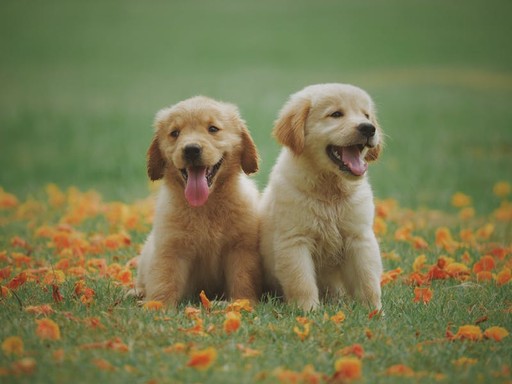
Before & After: Animals in Naive Art Style
| Original Photo | Style Reference | AI Result |
|---|---|---|
 |
|
|
| Source photo | Rousseau - Dahlia and Daisies | ArtFID: 222.54 -- 5 stars |
The transformation captures naive art's essential qualities with remarkable clarity. Photographic tonal gradients flatten into bold color planes. The animal's form simplifies to its essential contours -- you recognize the creature immediately, but the rendering has the directness of a folk illustration. The background undergoes the most dramatic change, shifting from photographic depth to a decorative field that frames the animal in the tradition of Rousseau's jungle compositions.
Notice the color treatment. The algorithm replaces naturalistic color with the saturated, slightly improbable palette of naive painting. Greens become lusher than any real leaf. Browns warm into earthy ochres. The overall effect is an image that looks like it was painted by someone who loves the subject more than they care about replicating its exact appearance.
Additional Examples
 |
|
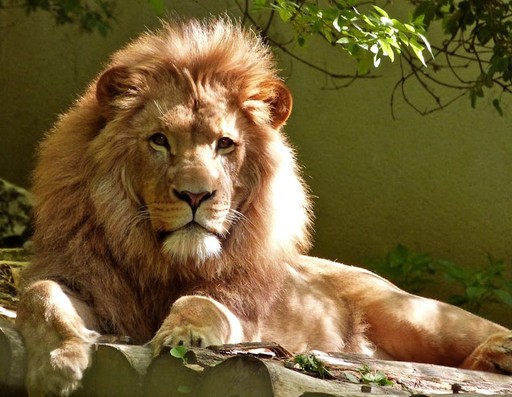
| Original Animal Photo | Naive Art Style Result |
|
 |
| Original Animal Photo | Naive Art Style Result |
Each example demonstrates how the naive art transformation adapts to different animal subjects while maintaining the style's core identity: flat perspective, bold color, simplified forms, and an unmistakable warmth that makes every animal look like the protagonist of a beloved picture book.
Photography Tips for Best Naive Art Results
To maximize the quality of your animals naive art photo effect, consider these shooting guidelines:
1. Keep Compositions Simple. Naive art thrives on clarity. One animal, a clean background, a straightforward pose. The simpler your source photograph, the more effectively the algorithm can translate it into naive art's reductive visual language. Complex multi-animal scenes produce cluttered, confusing results.
2. Shoot in Bright, Even Light. Naive art avoids dramatic shadows and complex tonal modeling. Photographs taken in bright, diffused light -- overcast skies, open shade, or evenly lit interiors -- translate most naturally into naive art's flat, unmodulated color fields. Avoid harsh directional light or dramatic chiaroscuro.
3. Choose Colorful Subjects. Naive art's bold palette works best when the source image provides color to amplify. A scarlet macaw, a golden retriever in autumn leaves, a green tree frog -- subjects with inherent color give the algorithm rich material. Monochrome animals (black cats, white doves) produce elegant but less visually dynamic naive art results.
4. Include Environmental Context. Rousseau's animals always exist within a setting -- his jungles, gardens, and forests are as important as the creatures they contain. Including some environmental context (grass, flowers, trees, sky) in your animal photo gives the algorithm material to transform into naive art's characteristic decorative backgrounds.
5. Capture Personality. A yawning cat. A tilted-head dog. A preening bird. Naive art amplifies personality by stripping away photographic detail and leaving character. Photographs that capture an animal's distinctive gesture or expression produce the most engaging naive art results.
Use Cases: Where Animals + Naive Art Shines
The animals naive art photo effect has specific practical applications that take advantage of the style's warmth and accessibility:
Nursery and Children's Room Art. Naive art's childlike simplicity and cheerful palette make it the ideal style for children's spaces. Transform your family pet into a whimsical print for the nursery wall -- it is personal, original, and stylistically appropriate in ways that photorealistic art is not.
Greeting Cards and Stationery. The charming, approachable quality of naive animal art translates perfectly to greeting cards, invitations, and personal stationery. A naive art portrait of the recipient's pet makes a gift card that is genuinely unique.
Storybook Illustrations. If you are creating a children's book, educational materials, or a personal photo book, the naive art style provides consistent, illustration-quality imagery from your own photographs. The simplified forms and bold colors read well at small sizes and reproduce cleanly in print.
Social Media Content. Naive art animal images stand out in social media feeds precisely because they do not look like every other pet photo. The distinctive style signals creativity and intention, making these images more likely to generate engagement and sharing.
How to Apply Naive Art Style (3 Steps)
Step 1: Upload Your Animal Photo
Go to ArtRobot and upload any animal photograph -- pets, wildlife, farm animals, birds, insects. No account required. Supported formats: JPG, PNG, WebP. Resolution: 1024px+ recommended.
Step 2: Select the Naive Art Style
Browse the style library and choose Naive Art. The style references include paintings by Henri Rousseau from the Art Institute of Chicago -- all CC0 / Public Domain. Each style shows its ArtFID quality rating. For a more artist-specific result, look for the Rousseau artist page.
Step 3: Download Your Storybook Animal Portrait
Your animals naive art photo effect generates in seconds. Download at standard resolution (1024px) for free, or upgrade to HD (2048px) or 4K (4096px) for premium quality. The 4K option is ideal for nursery prints and framed art -- naive art's bold lines and flat colors reproduce beautifully at large sizes.
3 free transfers, no signup required. Premium unlocks HD/4K, batch processing, and the full 121+ style library.
Try Animals Naive Art Style Transfer Free on ArtRobot ->
FAQ
How does Naive Art style transfer work on animal photos?
ArtRobot uses neural style transfer (NST) to extract the gram matrix -- a mathematical representation of style patterns -- from museum-quality naive paintings, including works by Henri Rousseau. This gram matrix captures naive art's flat perspective, bold color fields, simplified forms, and decorative patterning. The algorithm applies these patterns to your animal photo while preserving the creature's recognizable identity. Animals are the optimal subject for naive art transfer -- they achieve the best ArtFID score (222.54) among all content types.
What ArtFID score does Naive Art get on animals?
Naive Art scores 222.54 ArtFID on animals (5/5 stars), the best score among all content types for this style. For comparison, portraits score 226.59, flowers 248.80, and landscapes 251.85. This confirms the deep art-historical connection between naive art and animal subjects -- a connection rooted in Rousseau's iconic jungle paintings.
What types of animal photos work best with Naive Art?
Animals with distinctive shapes and colorful features produce the most engaging results: parrots, cats, dogs, horses, frogs, butterflies, and tropical fish. Simple compositions with one clear subject and a clean background translate most effectively into naive art's reductive visual language. Avoid busy group shots or distant wildlife photos where the animal is a small element.
Is Naive Art good for nursery and children's room art?
Naive Art is one of the best style choices for children's spaces. Its childlike simplicity, warm color palette, and storybook quality create images that are age-appropriate, visually engaging, and sophisticated enough for parents to appreciate. Transform your family pet's photo into a naive art print -- it is personal, original, and stylistically perfect for nurseries, playrooms, and children's bedrooms.
Can I use the Naive Art animal results commercially?
Yes. ArtRobot results can be used for personal and commercial projects. All naive art style references are sourced from the Art Institute of Chicago under CC0 / Museum Open Access license. Premium plans unlock 4K resolution for large-format prints, product applications, and commercial use cases.
Related Styles
- Best Art Styles for Animals -- Head-to-head comparison of every style tested on animal photos, ranked by ArtFID.
- Animal Watercolor Art -- Soft, painterly animal imagery for a more traditional aesthetic.
- Pop Art Style Transfer -- Bold, graphic animal portraits with high-contrast color blocking.
- Impressionism Style Transfer -- Light-filled, brushstroke-rich animal imagery for a more atmospheric result.
- Animals Surrealism Photo Effect -- Dreamlike, fantastical animal portraits for a more avant-garde approach.
Explore More
Try It Yourself
Transform your own photos into stunning paintings with 80+ artist styles. Free to start.